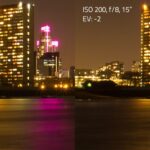
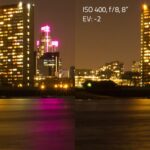
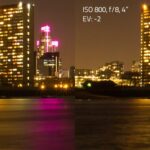
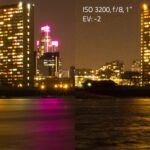
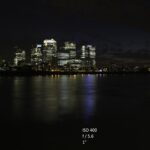
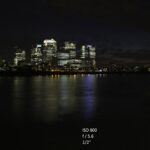
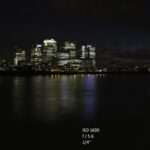
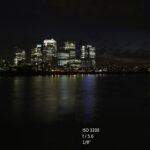
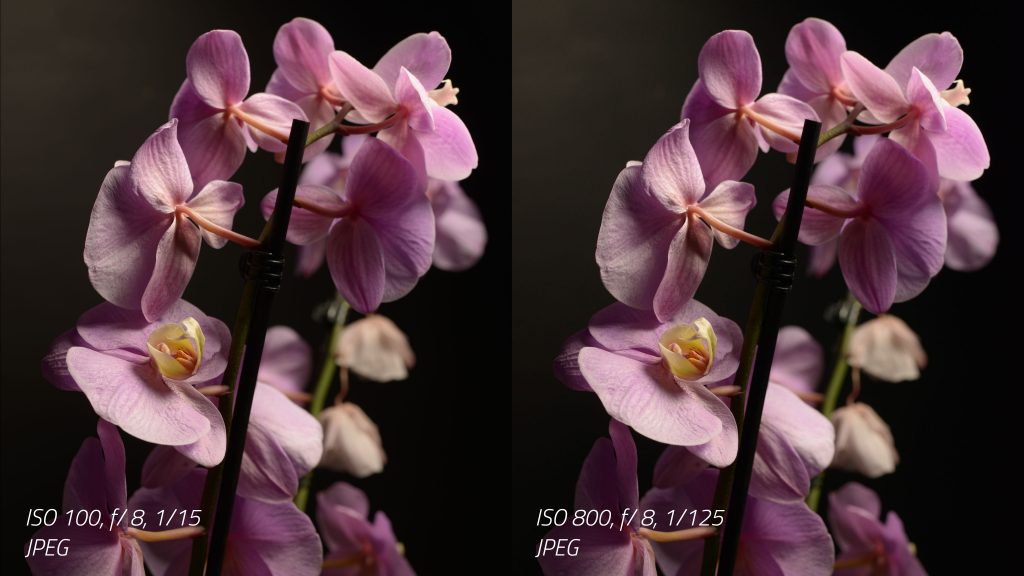
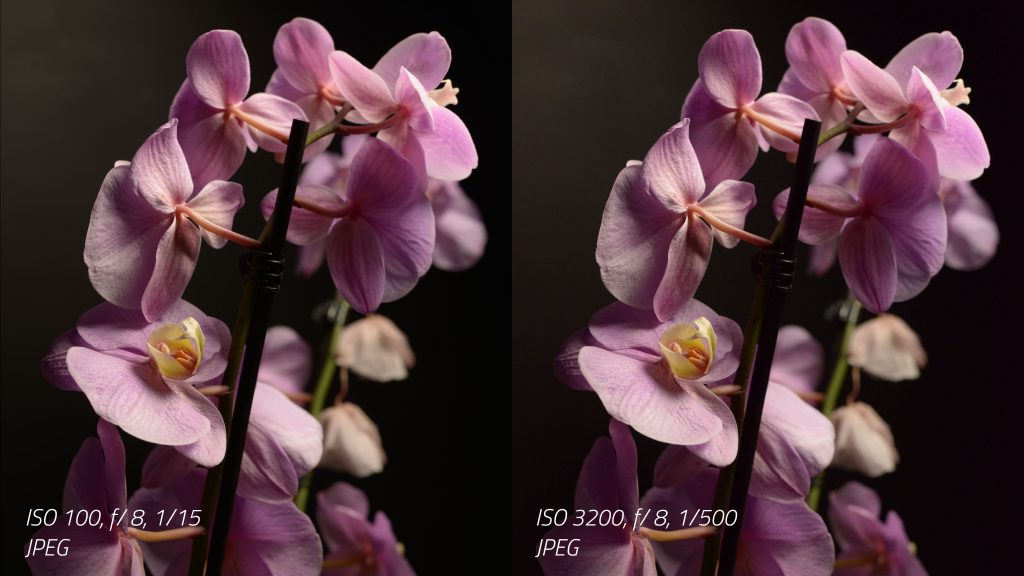
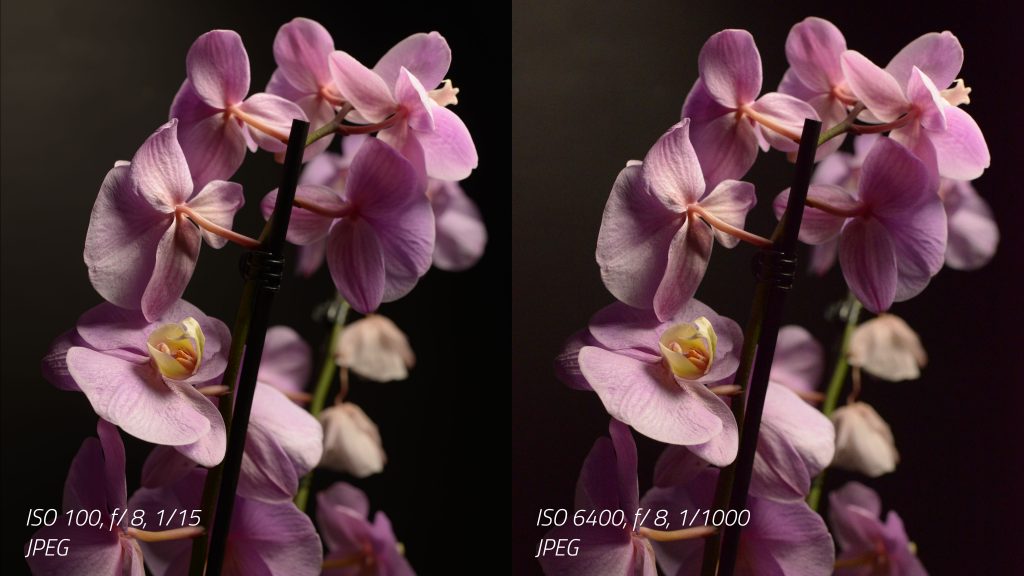
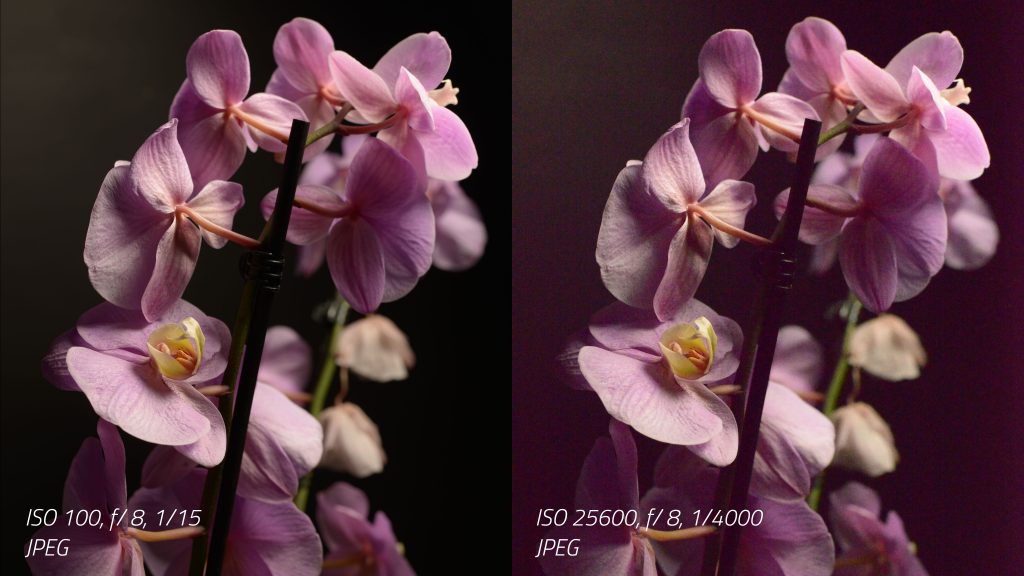
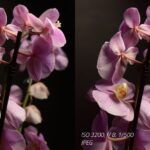
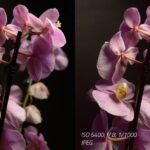
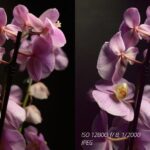
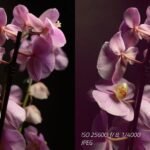
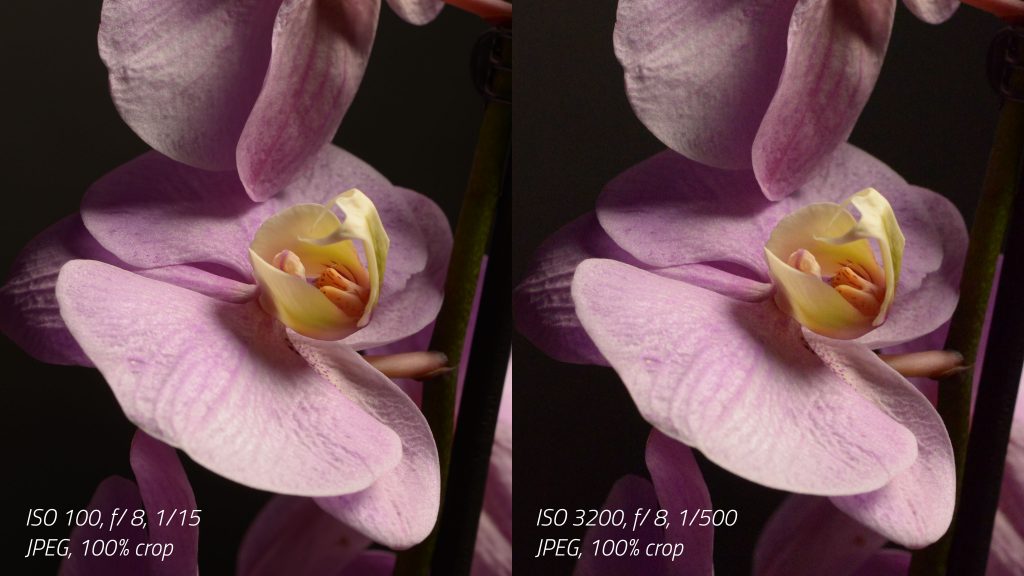
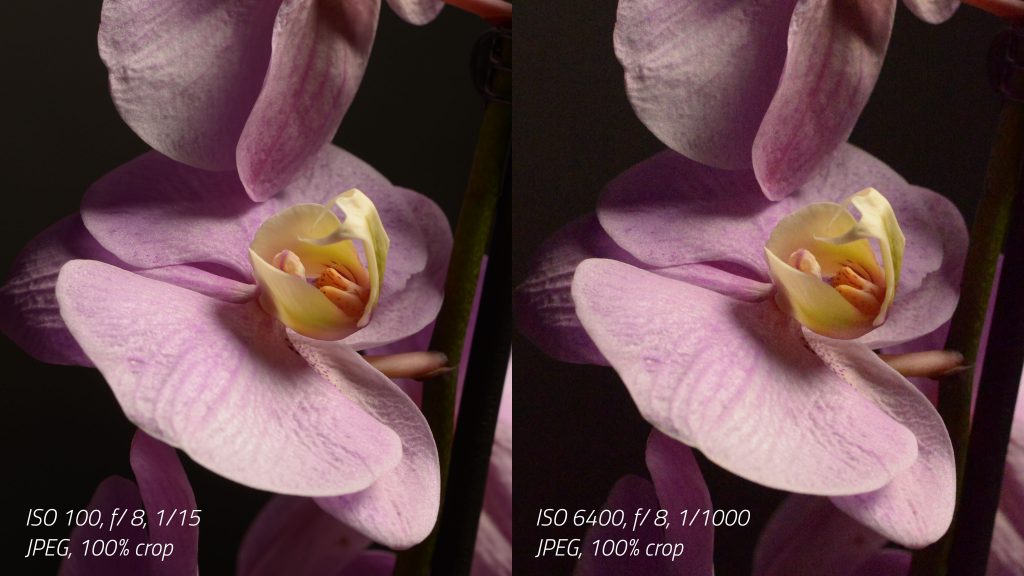
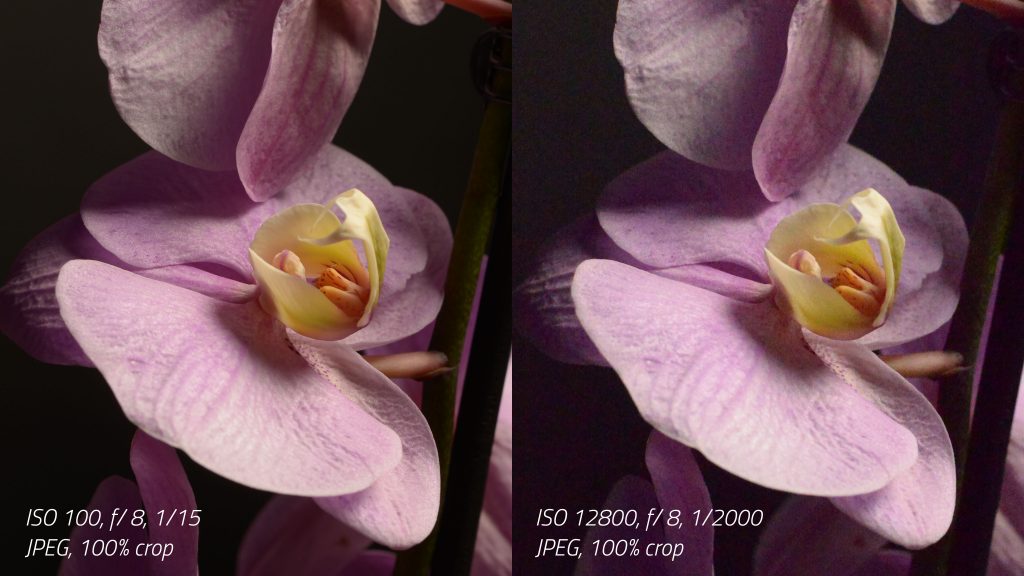
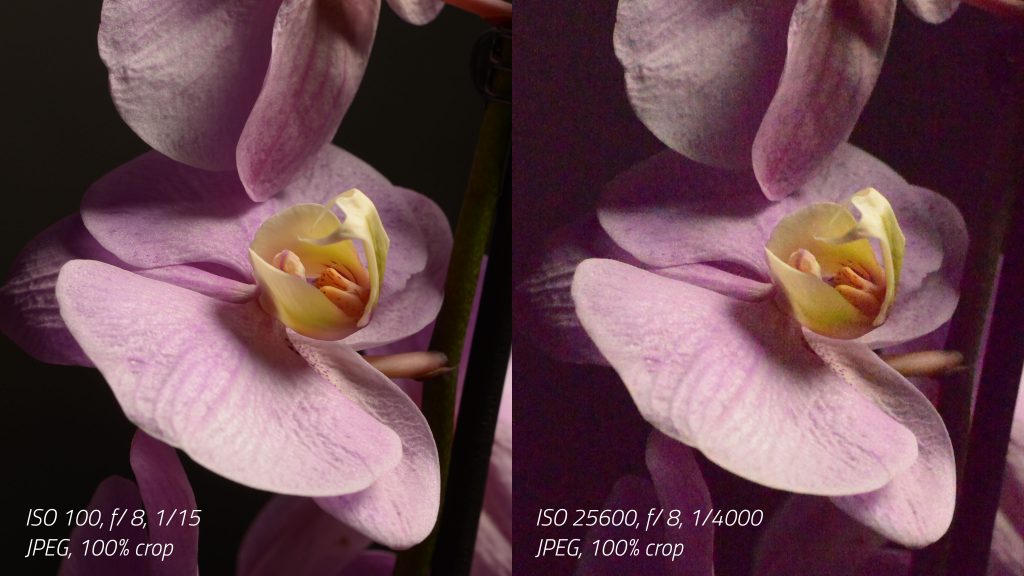
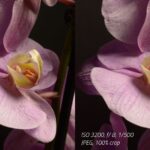
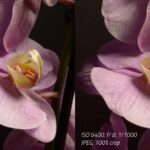
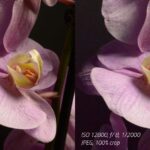
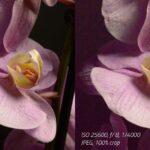
ISO (often called ‘sensitivity’) is very different from every other variable in photography. The simplest way to think about it is that it is merely a technical means to achieve an end: to increase the brightness of images that would otherwise be very, very dark.
Shutter speed and aperture are ‘real’ variables with both a technical and a creative aspect. By adjusting them you’re using physical mechanisms to make your image brighter or darker. At the same time, you’re making a creative, aesthetic choice. When you change your shutter speed, you enter the realm of motion blur. (Intended or not.) When you change aperture, you enter the realm of depth-of-field (blur in space).
When you change the ISO value, you enter the realm of noise. There is no reward, only the technical price you pay for digitally amplifying the brightness of your image: noise. Because what happens to your image is exactly what happens to a soundtrack that you’re listening to as you start turning up the volume.
ISO is not a ‘real’ variable. Stop thinking about it as such. Increasing your ISO will degrade the physical quality of your photo. It reduces the amount of fine detail, it corrodes your image.
Increasing your ISO is a mean to an end. Your shutters speed is becoming too slow in a low-light environment? You raise your ISO. You need a physically smaller aperture to increase your depth-of-field? You might raise your ISO.
When it comes to setting your ISO there’s only one rule of thumb: keep it as low as possible.
That being said recent digital cameras are getting incredibly good at reducing noise at higher ISO settings. A few years ago the highest ISO setting on digital cameras was 1600 and those images were rendered technically rather inferior by noise. Today most cameras can go up to 12800 or 25600 (many of them even higher) and you can take very fine images with them at 3200 or 6400.
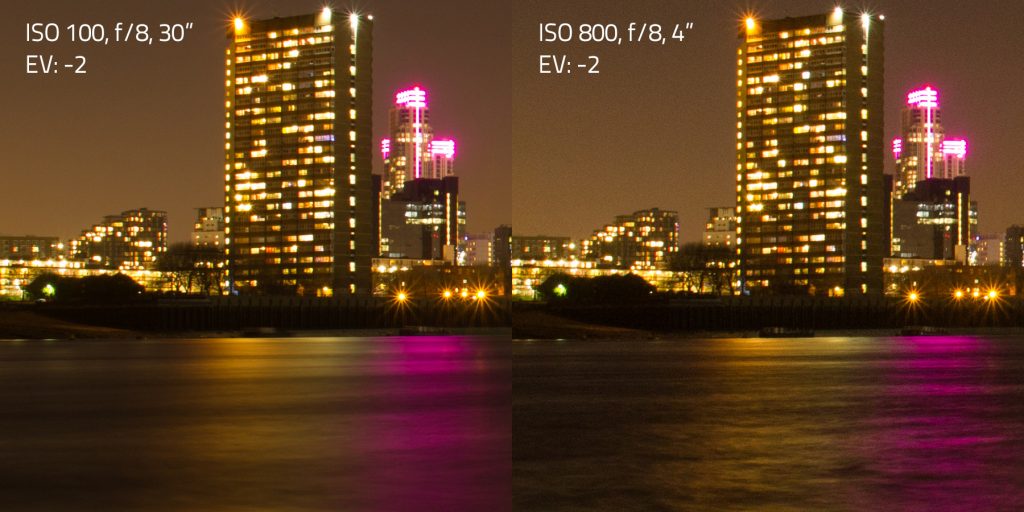
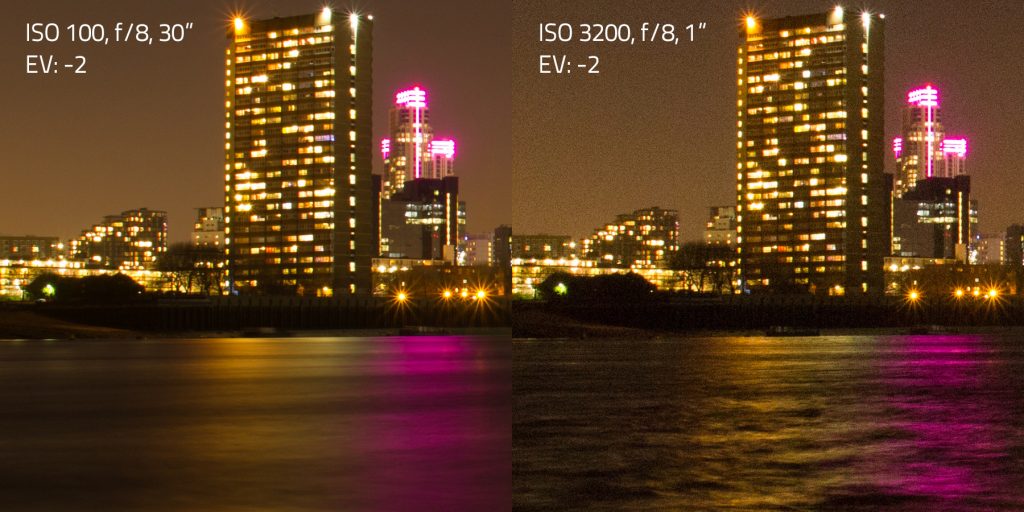
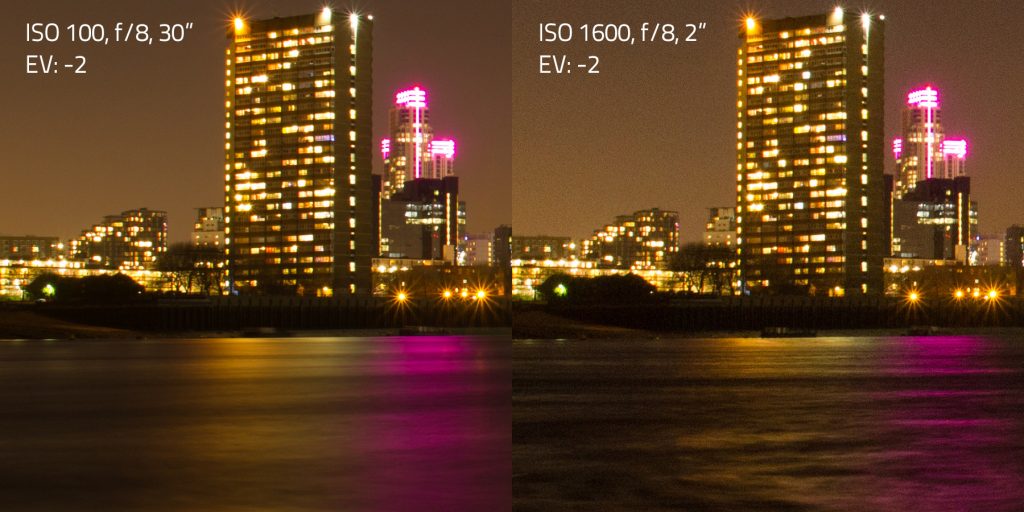
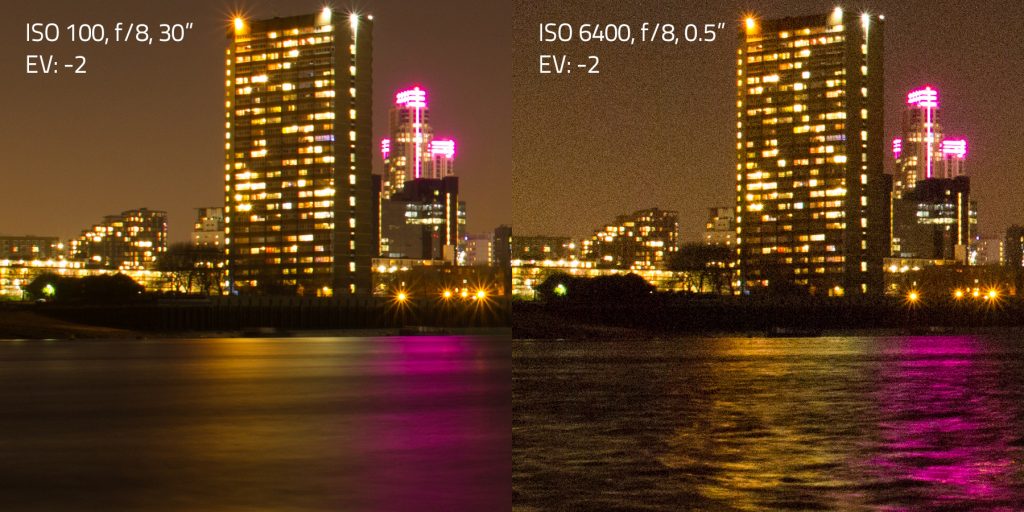
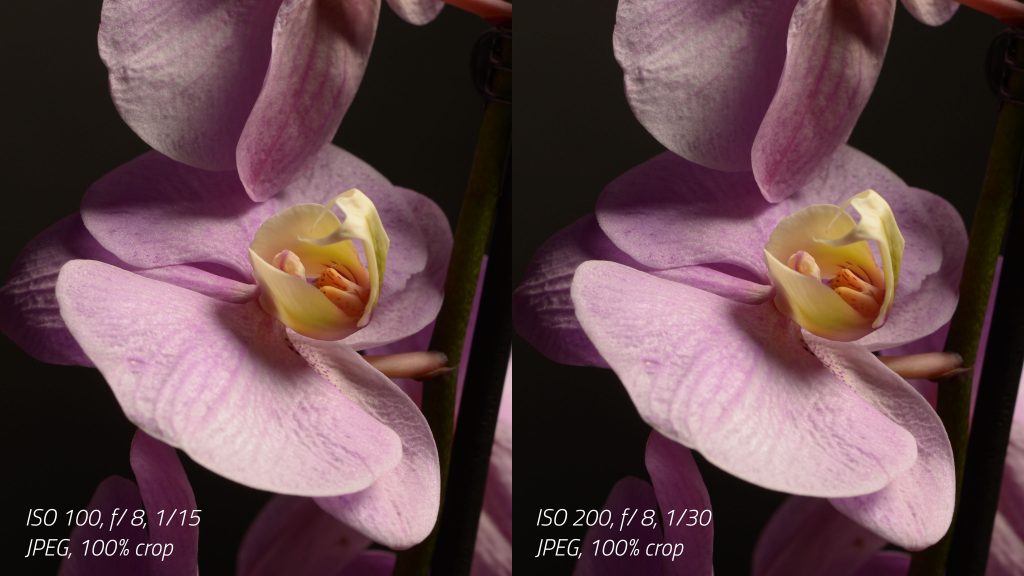
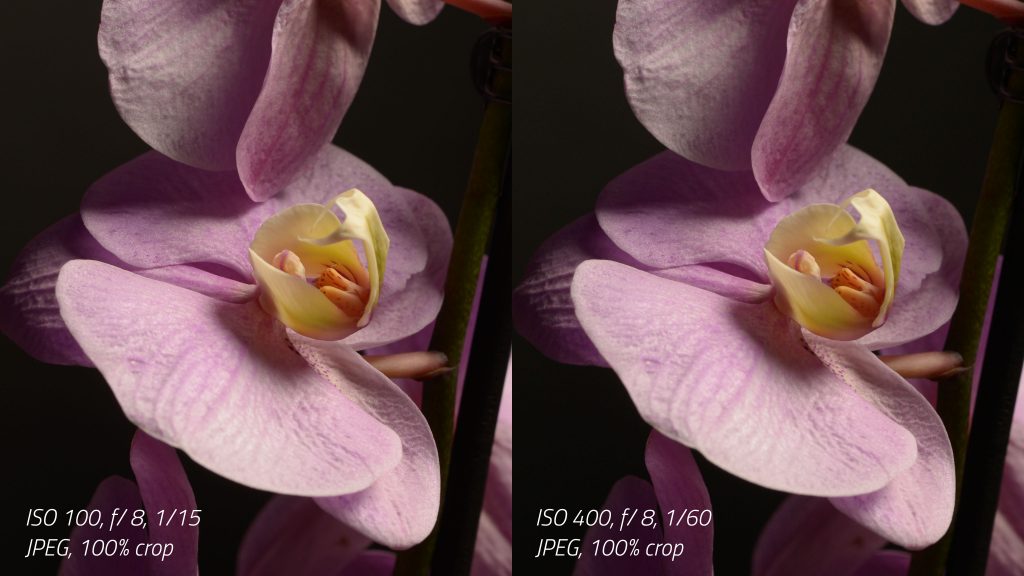
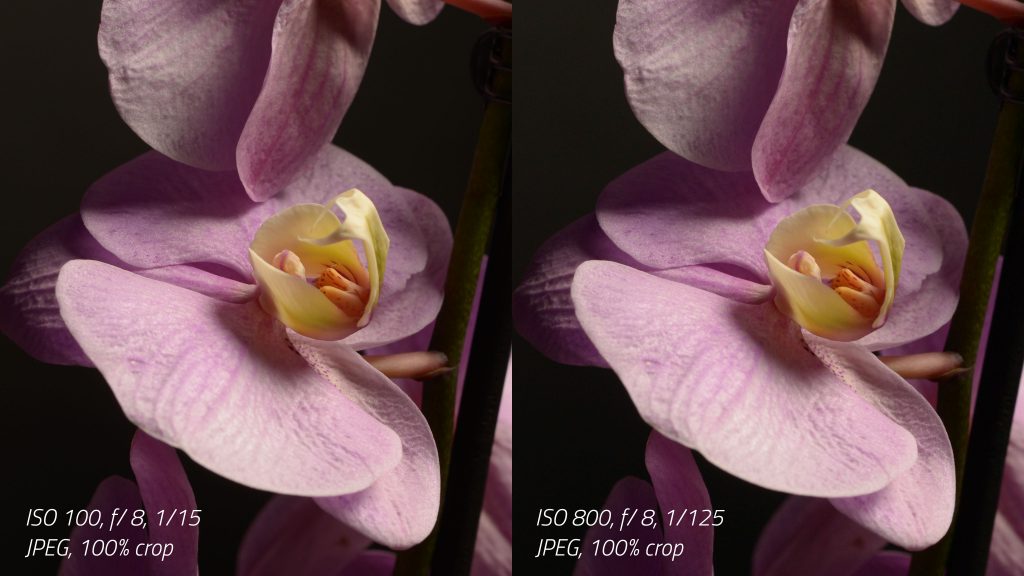
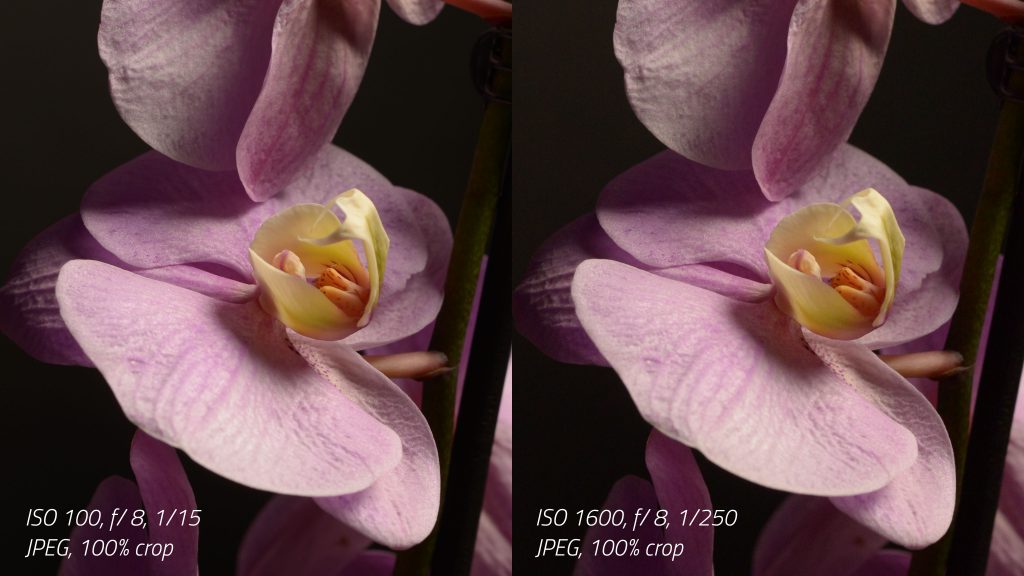
Whether you have a brand new mirrorless camera or you inherited an old DSLR from a friend, my advice is: test your camera. Take a series of images going through your ISO range, starting from 100 all the way to your highest setting. Compare your pictures on a computer monitor and you’ll find out how your camera reacts to boosting ISO, up to what point noise is acceptable to you and when it gets too much for your taste.
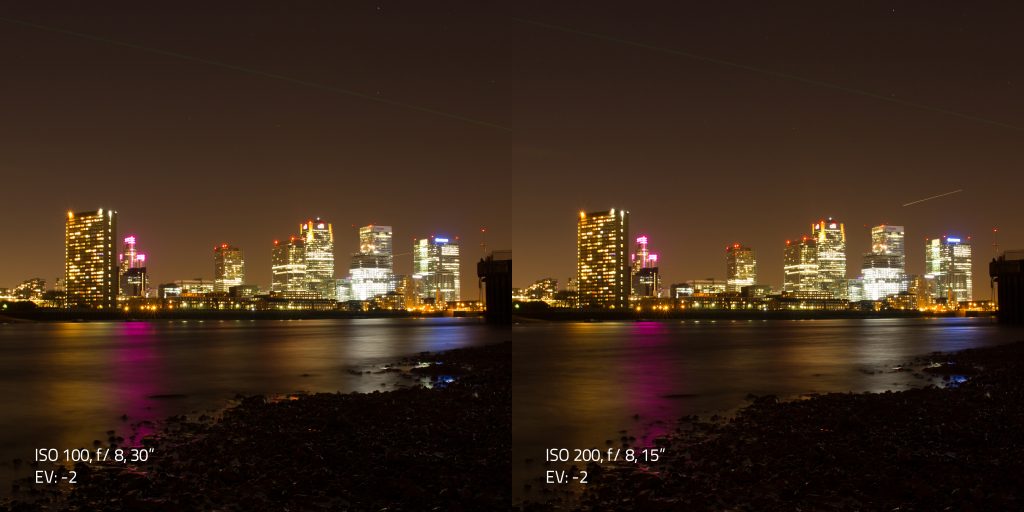
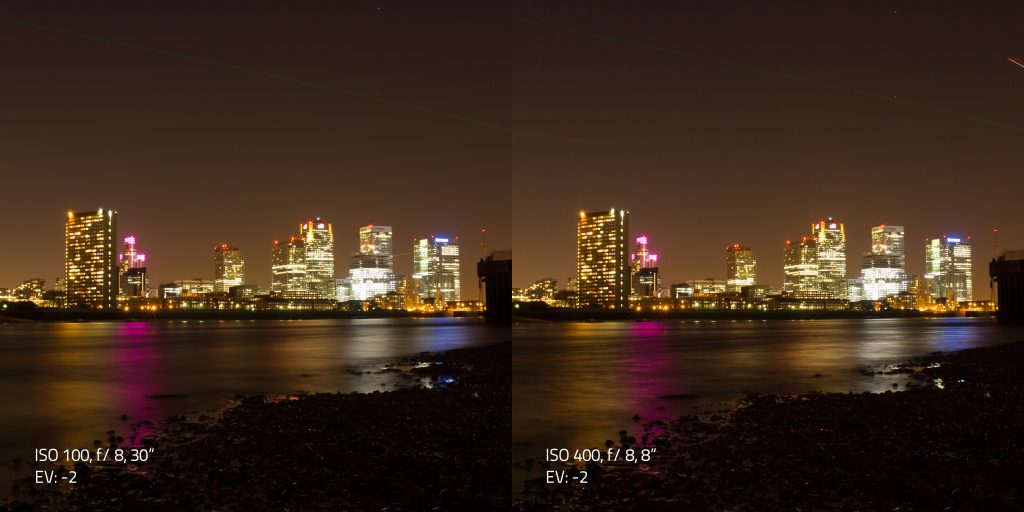
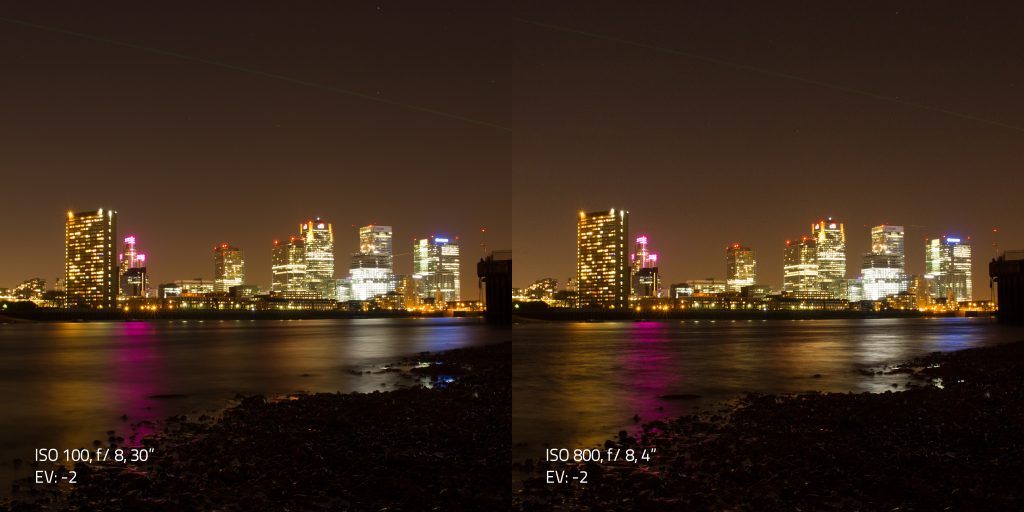
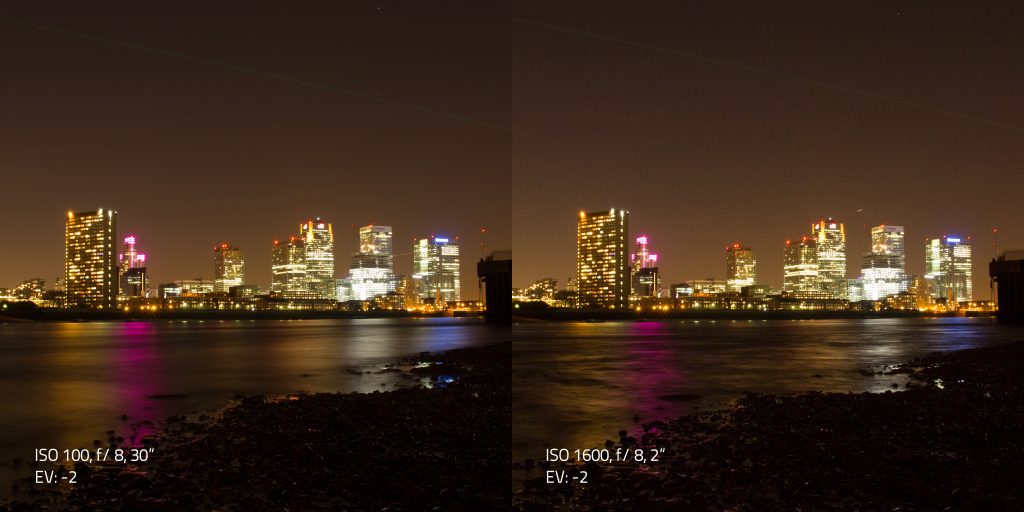
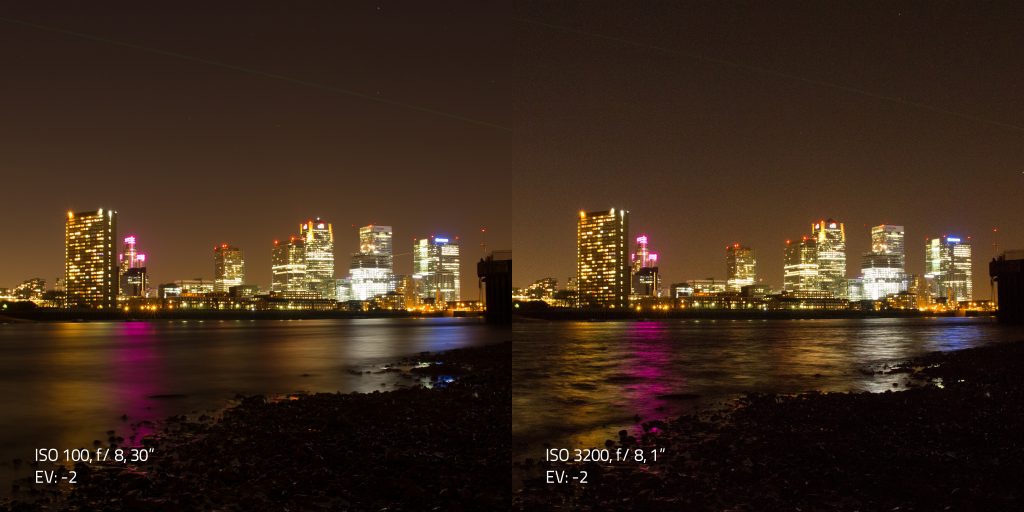
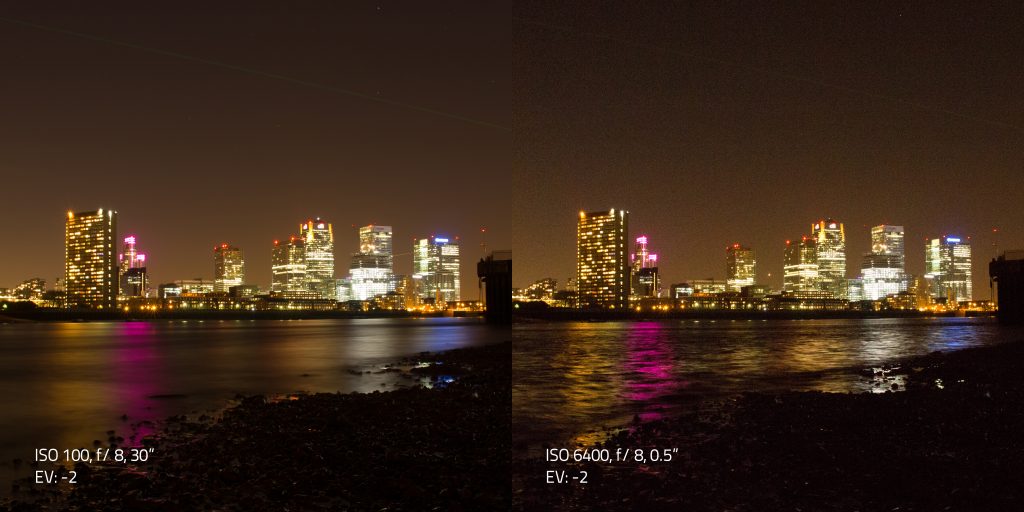
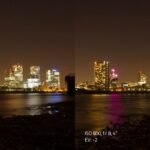
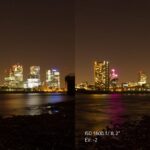
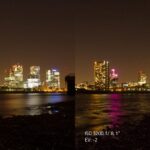
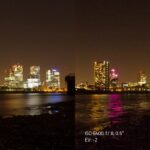
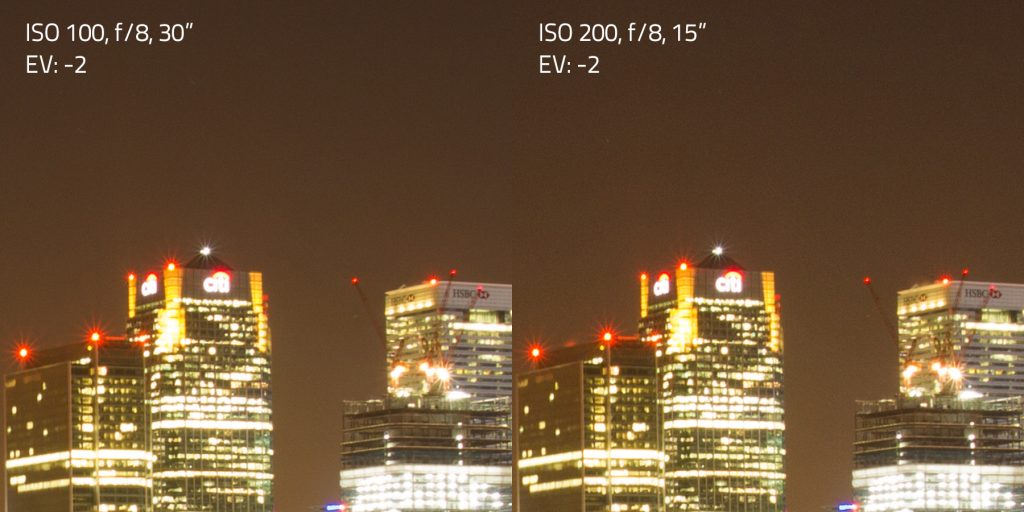
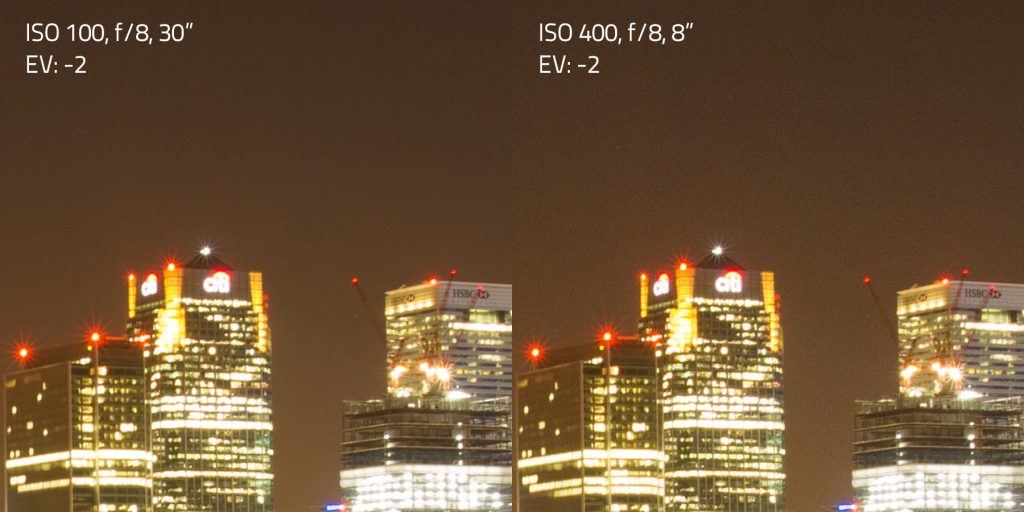
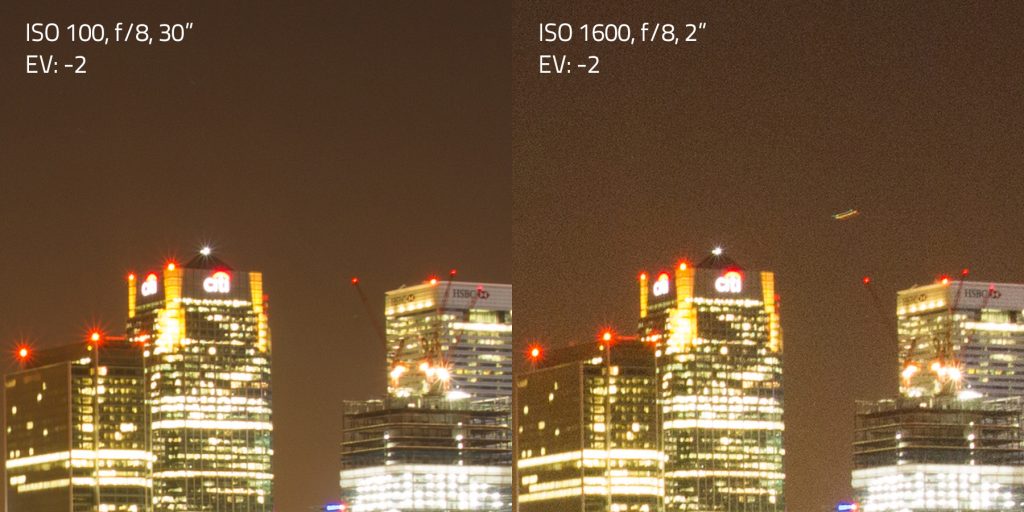
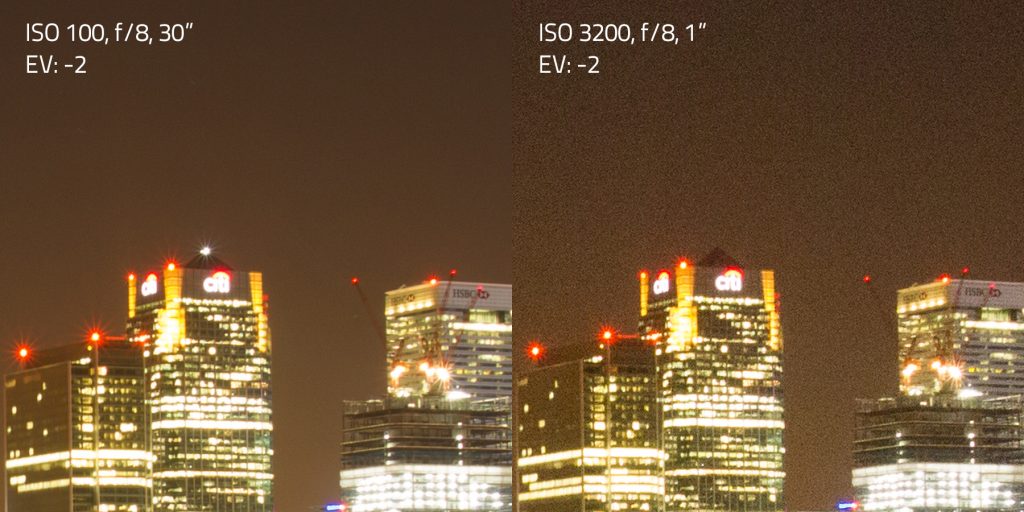
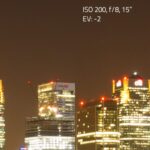
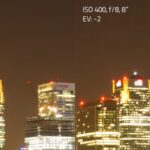
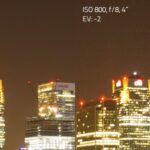
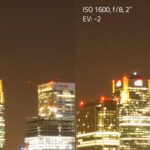
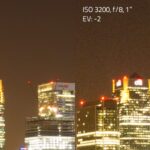
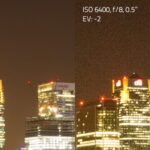
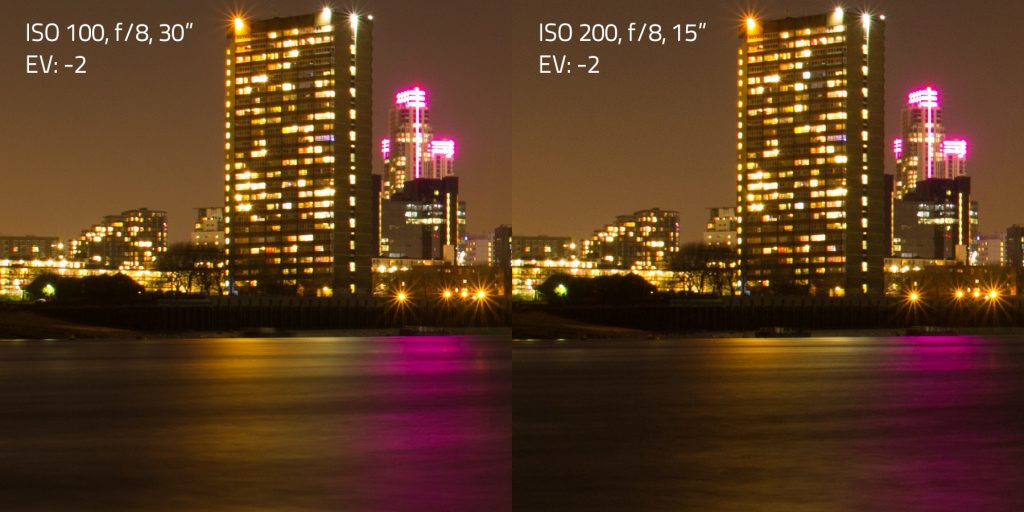
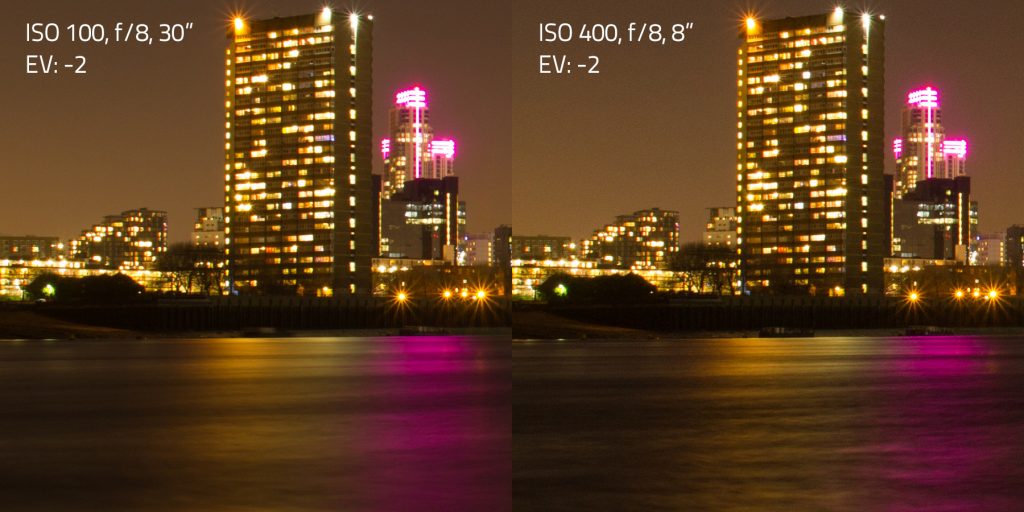
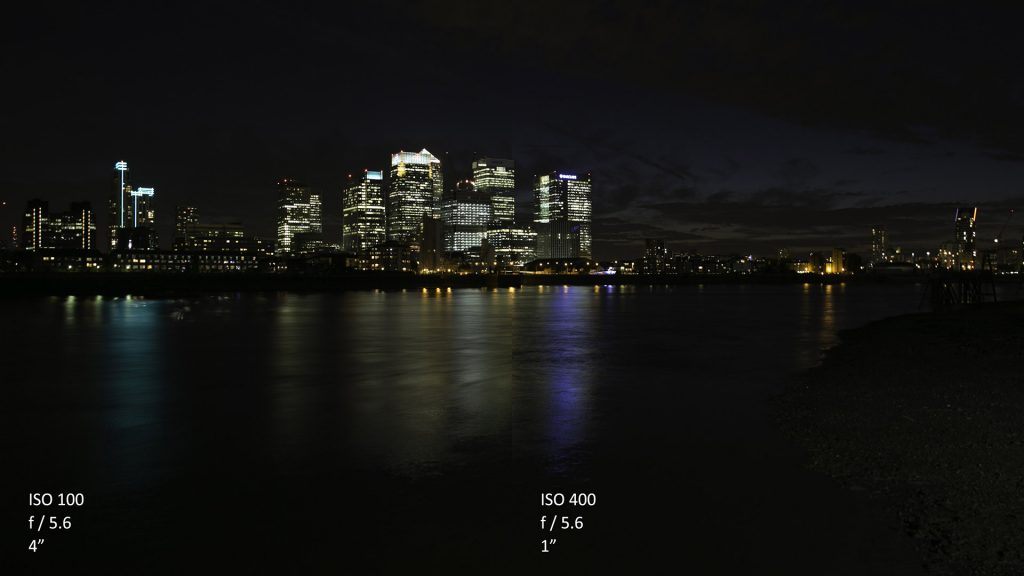
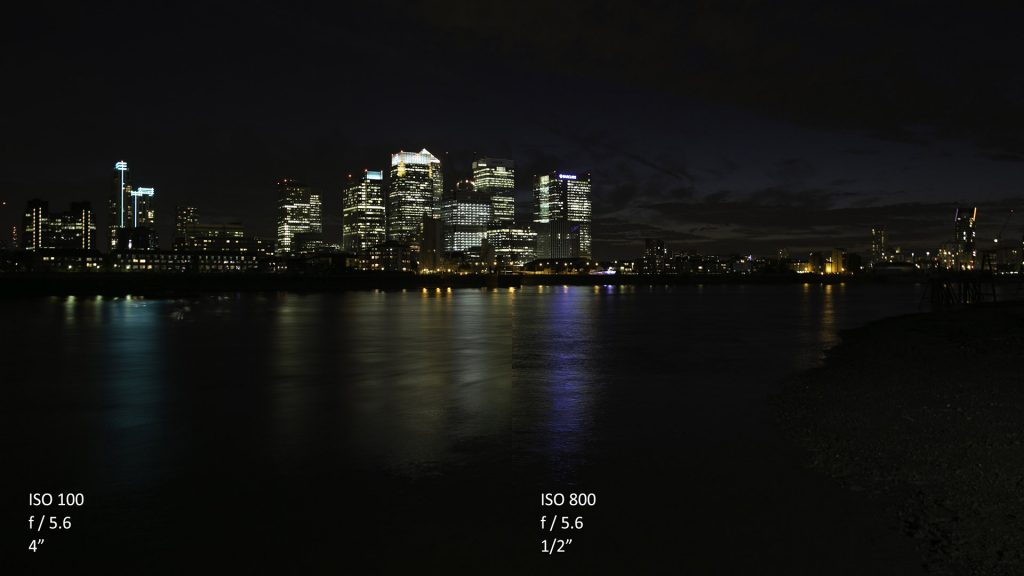
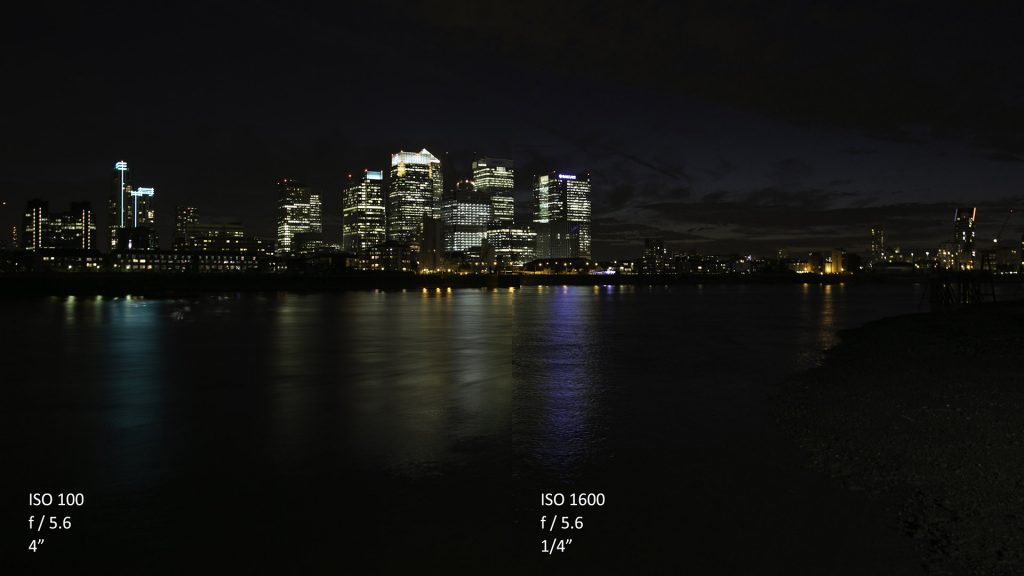
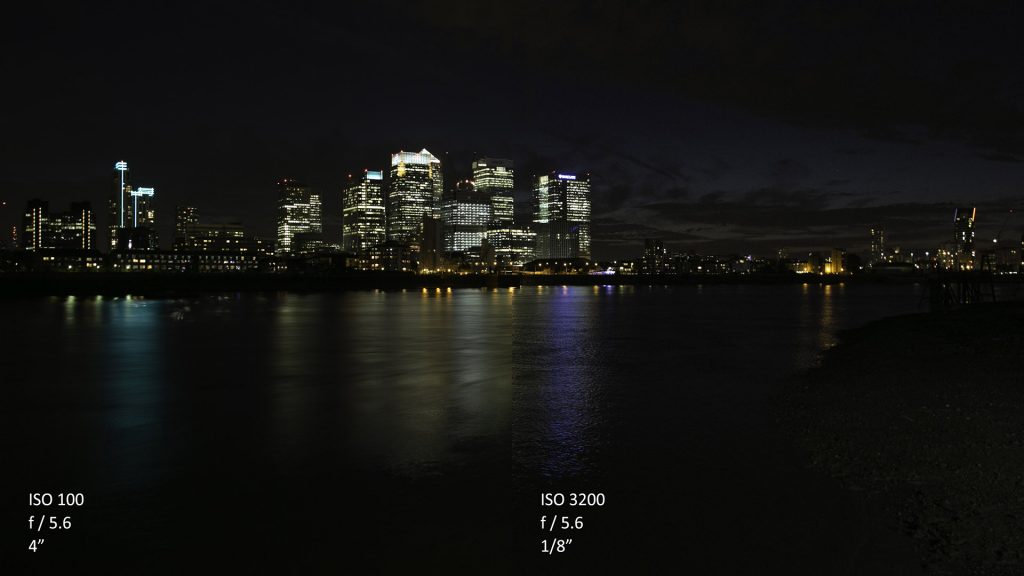
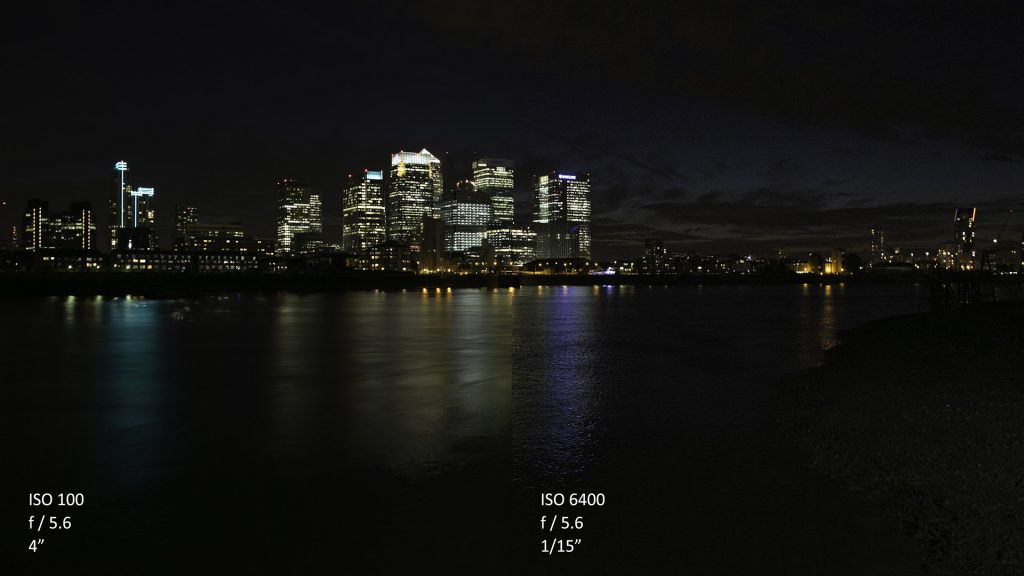
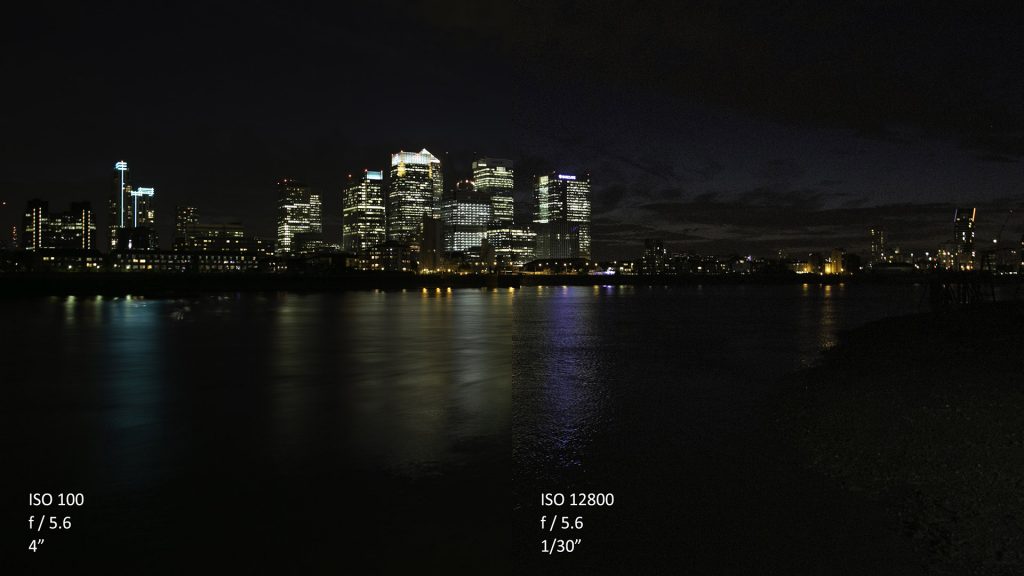
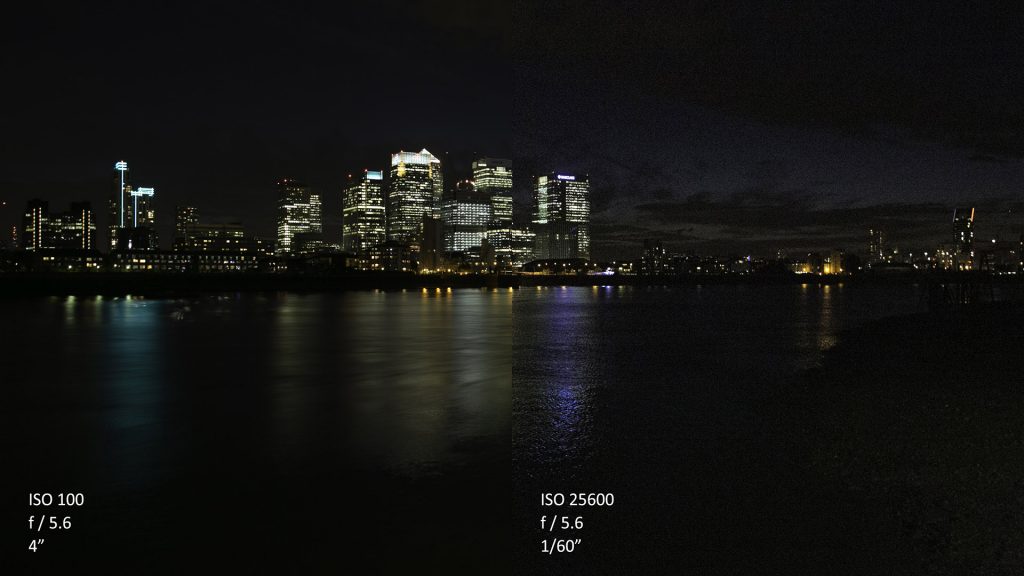
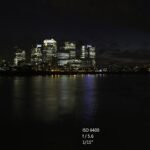
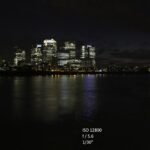
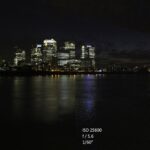
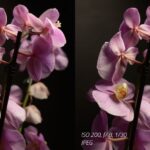
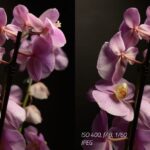
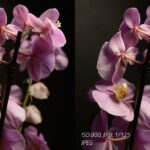
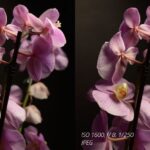
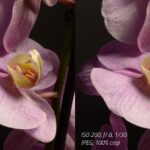
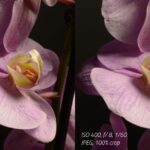
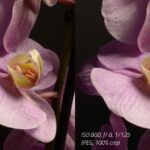
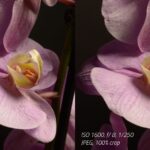
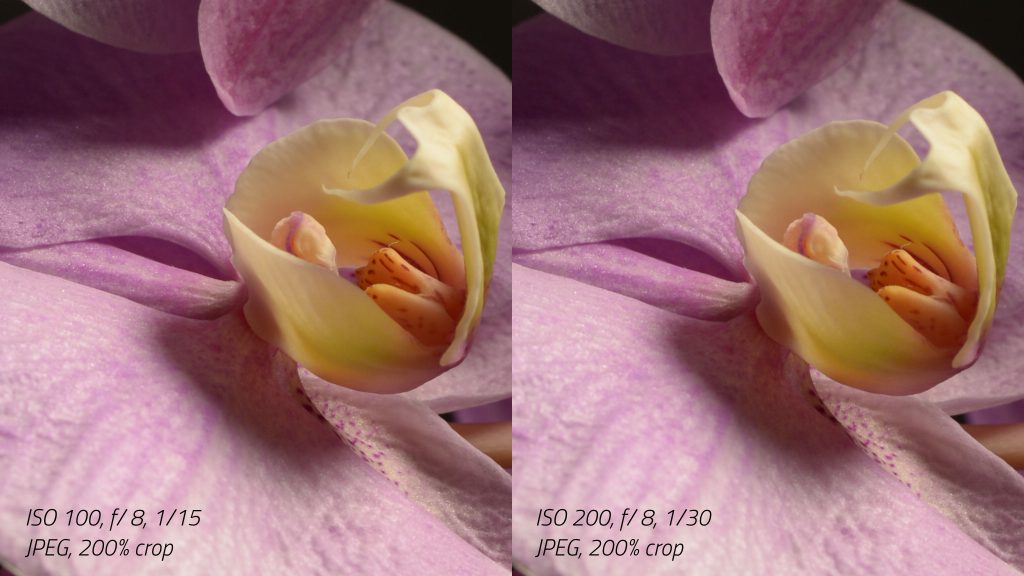
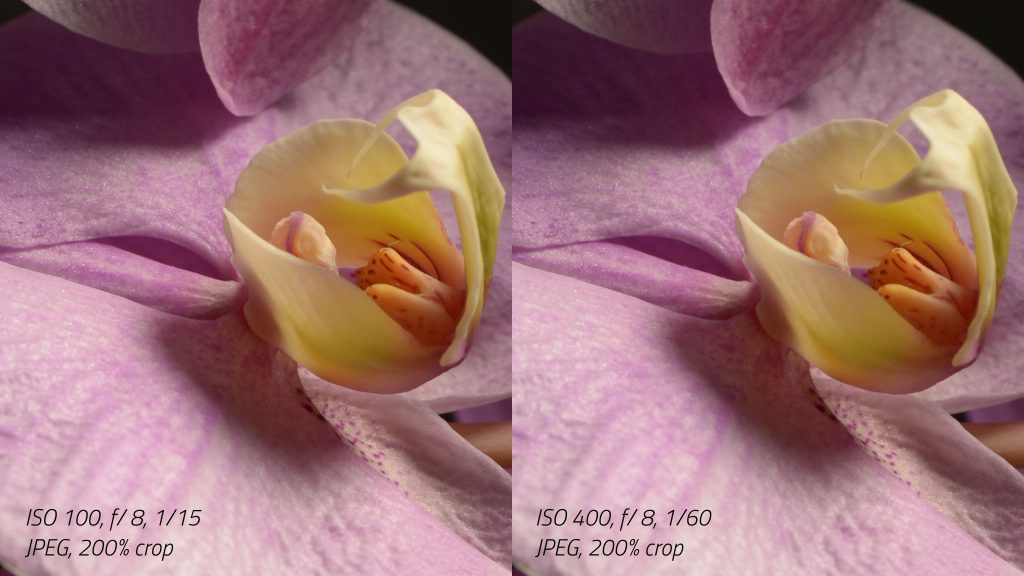
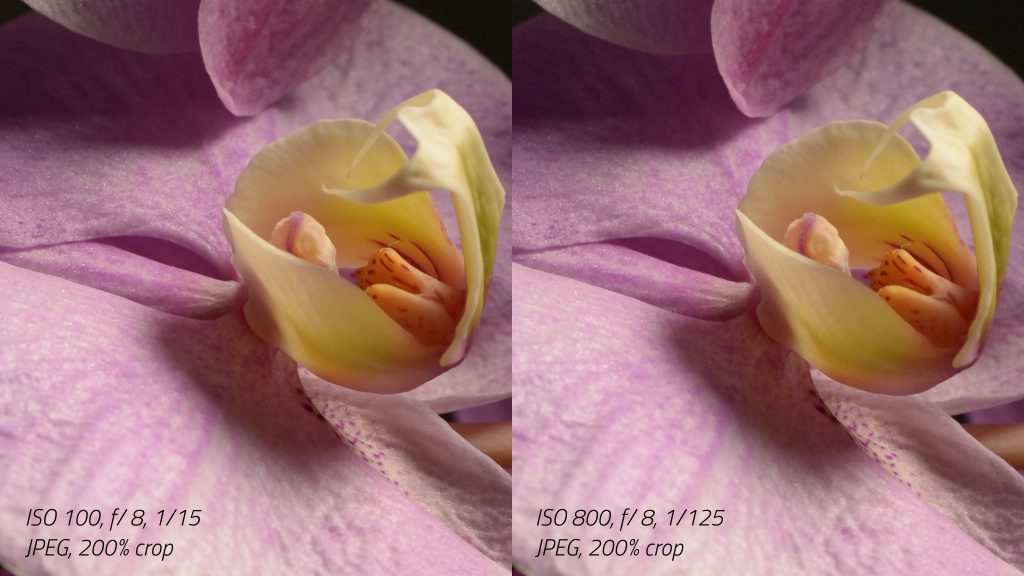
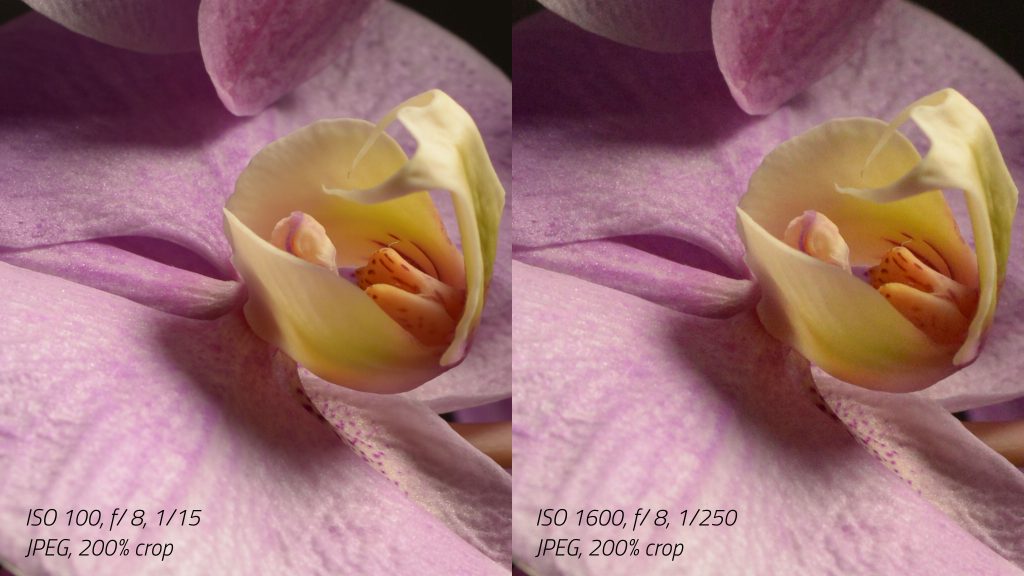
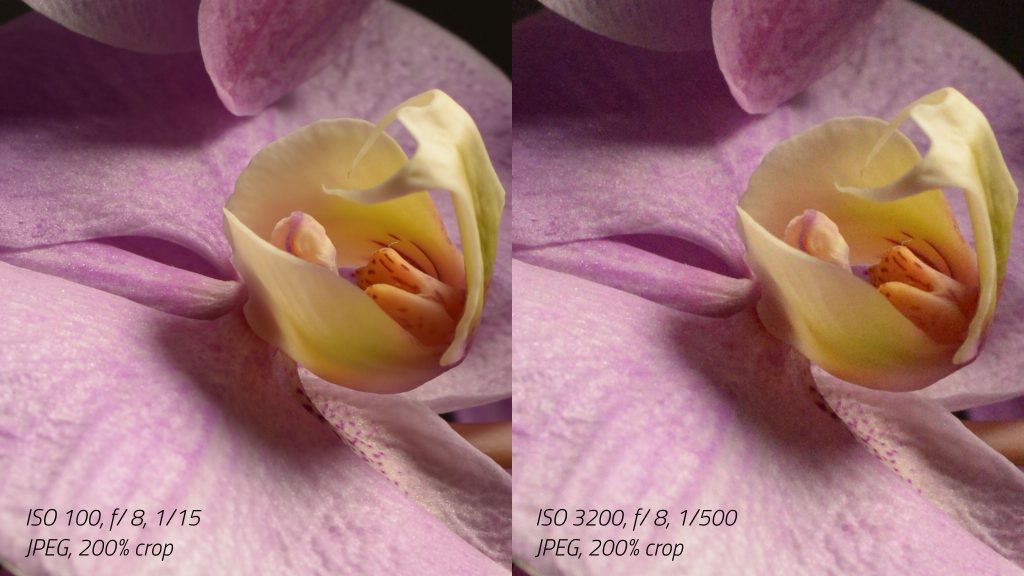
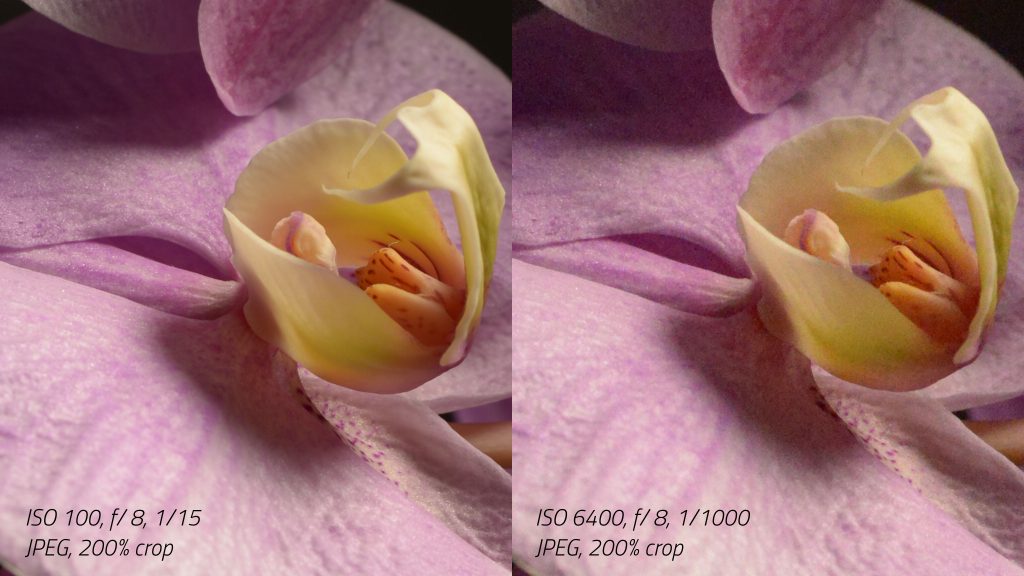
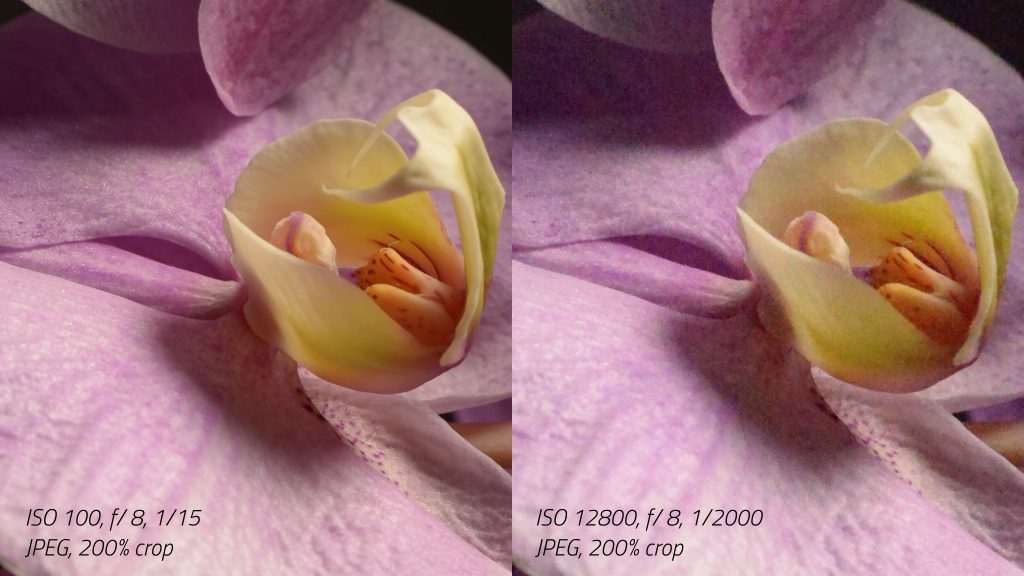
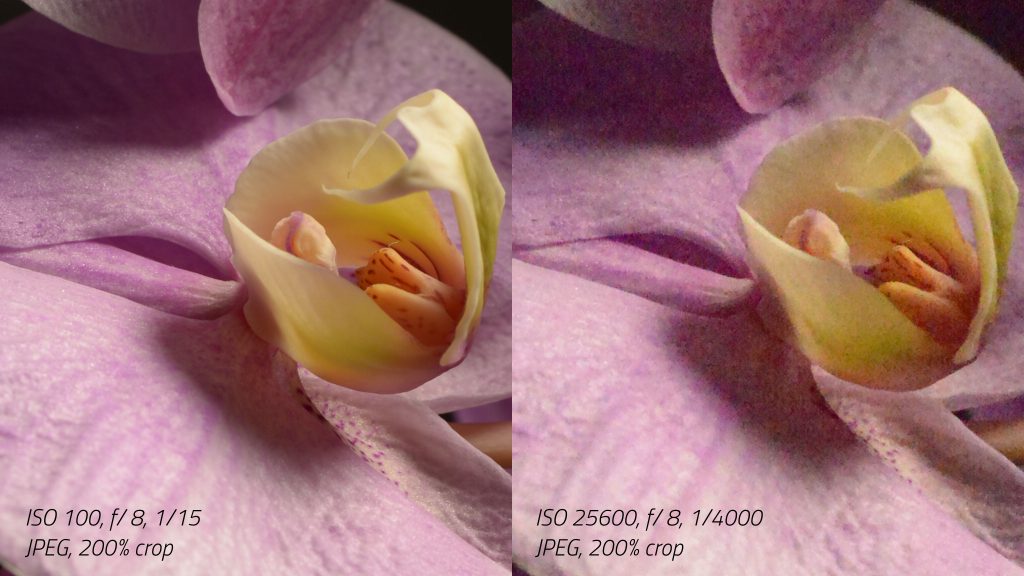
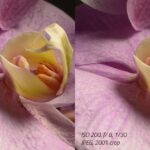
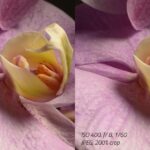
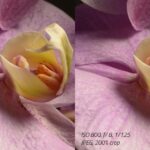
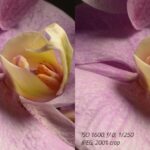
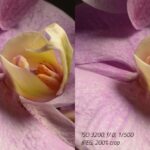
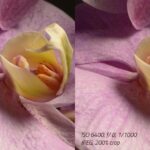
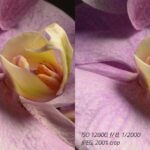
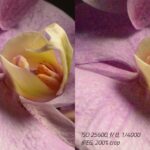
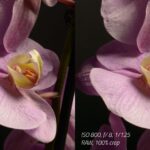
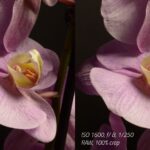
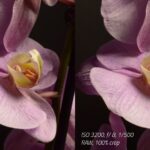
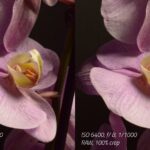
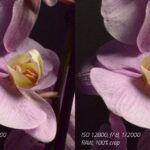
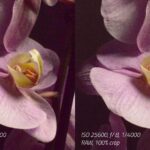
Different cameras will, naturally, produce different amounts of noise at different ISO settings. The images below show you just how great this loss of quality might be. The first set of pictures were taken with a Canon EOS 550D, an entry-level DSLR. Being a model from 2010 it’s almost an ‘ancient’ camera by today’s standards. Following the images from this camera are comparison shots from a Nikon D800, a professional, full-frame camera.
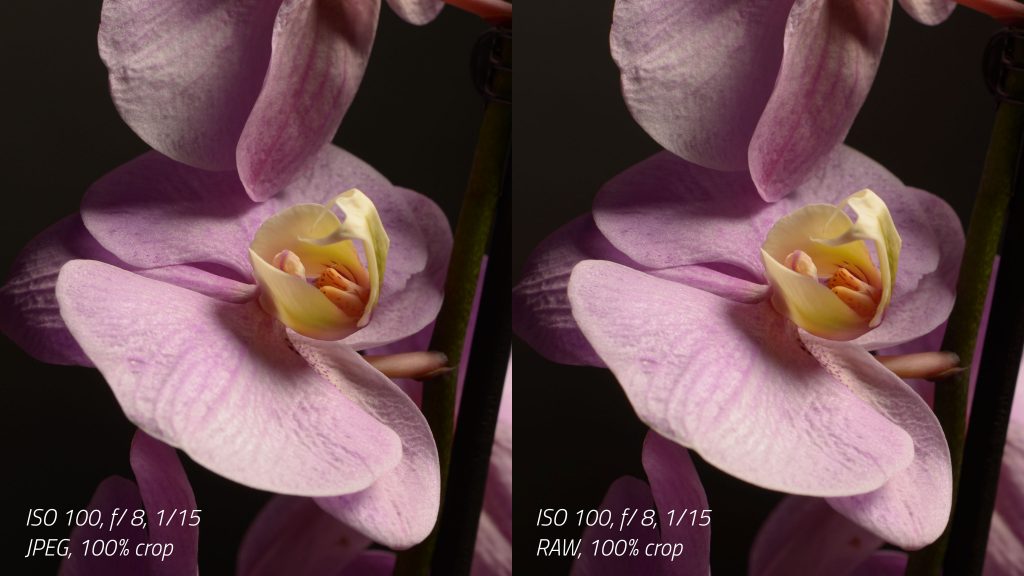
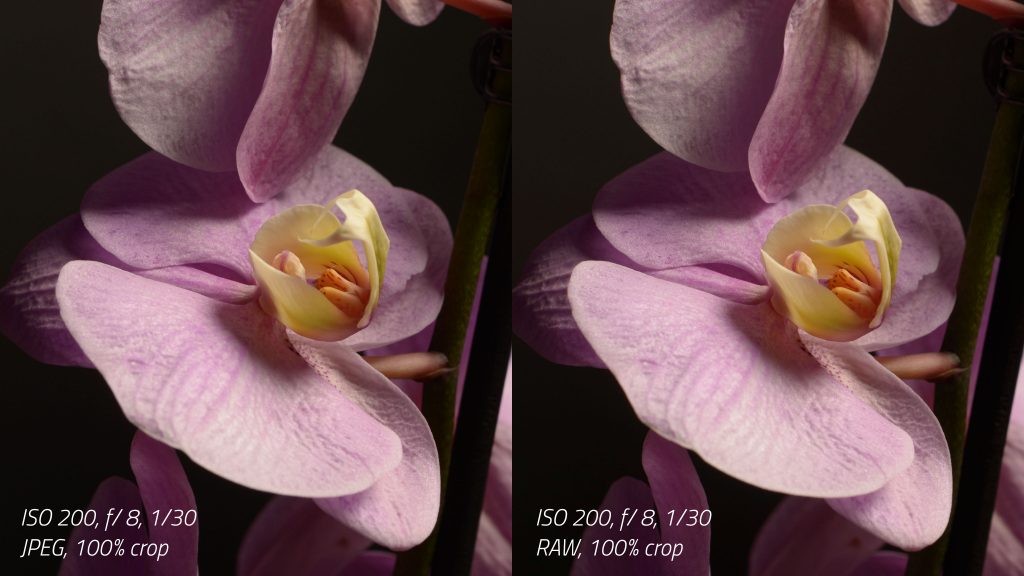
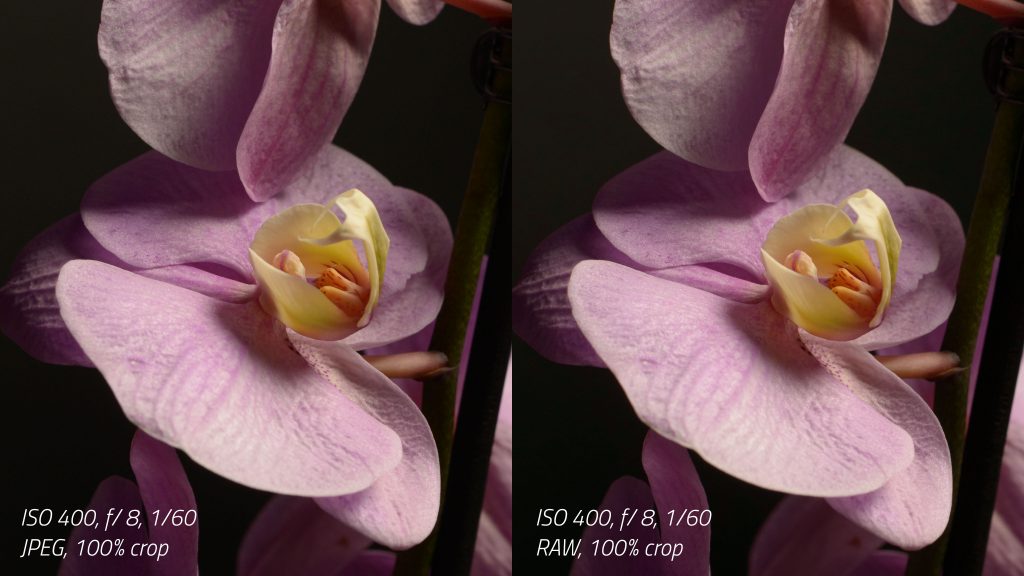
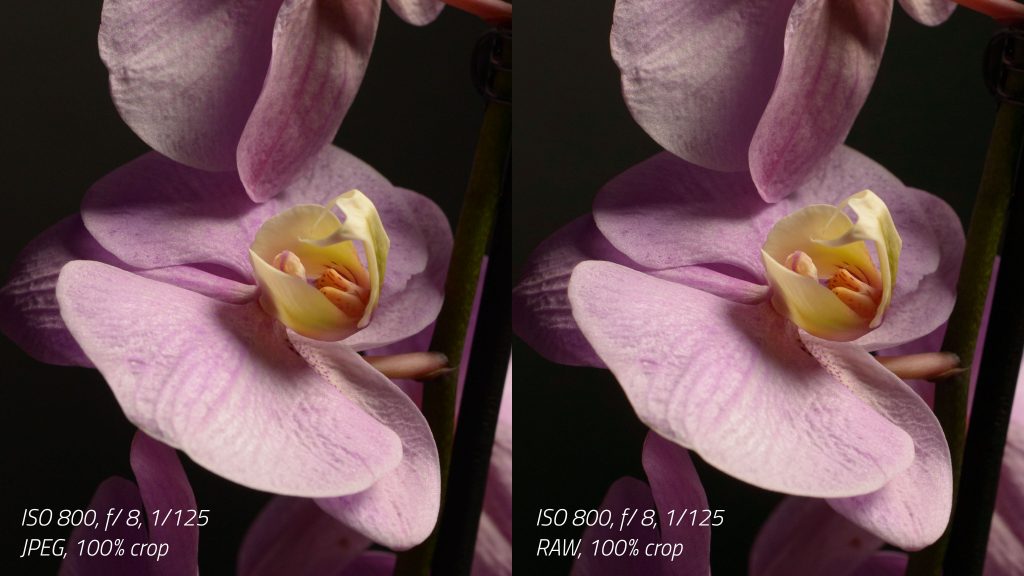
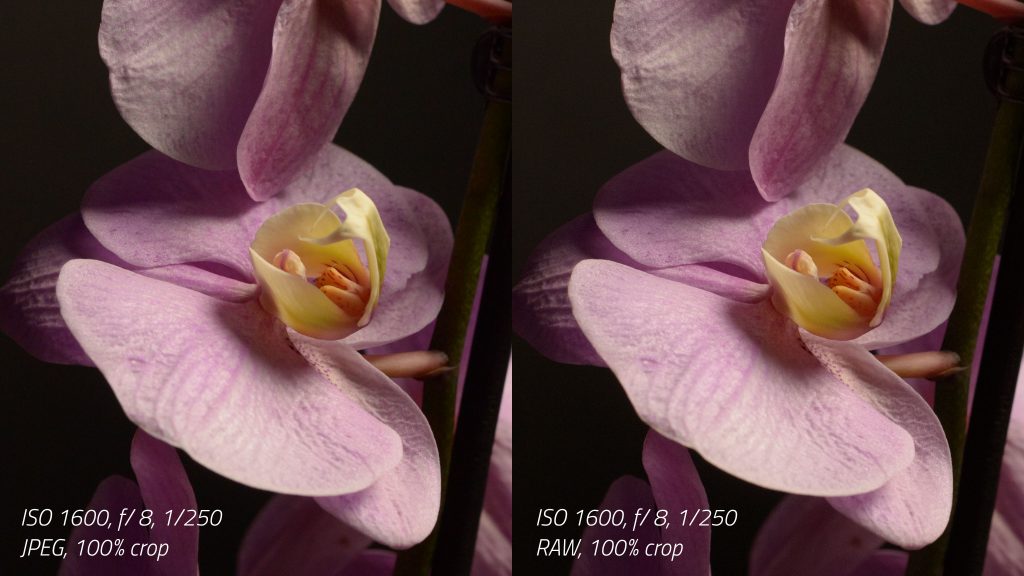
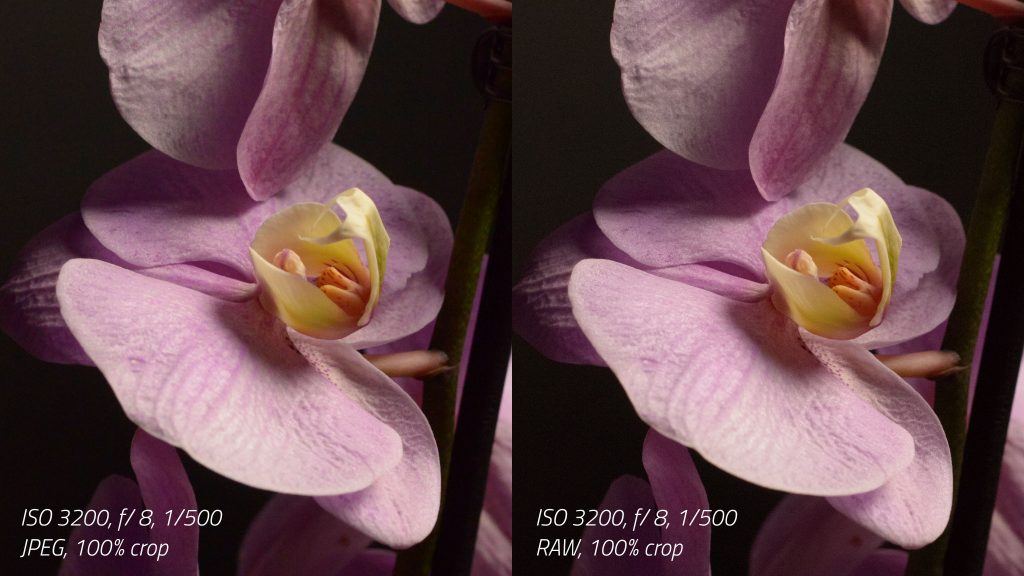
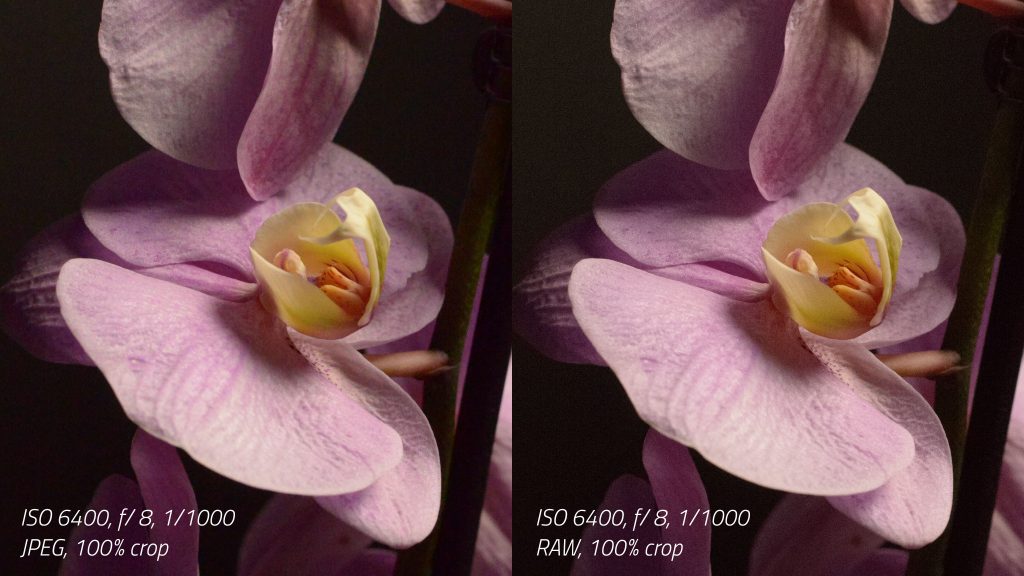
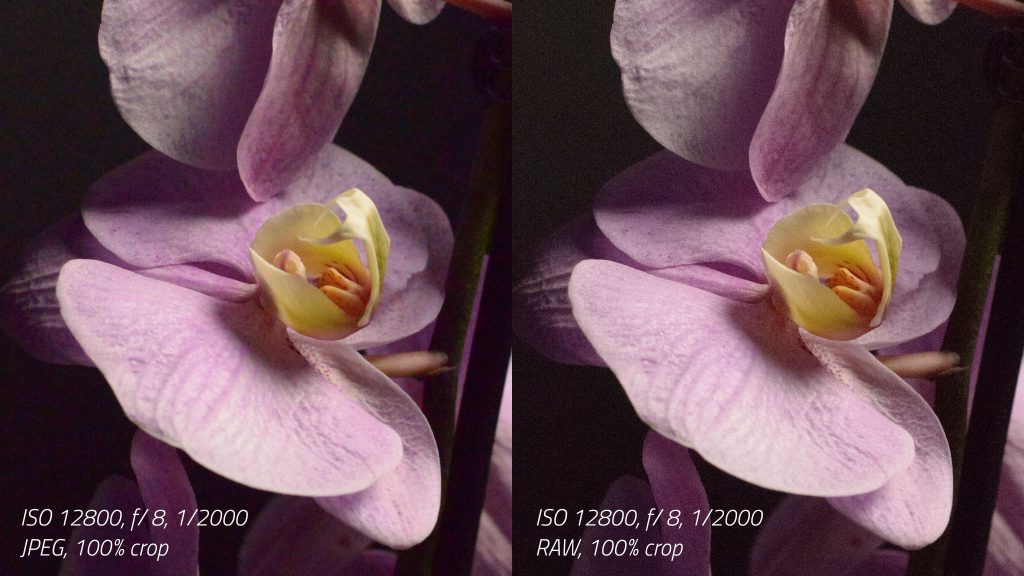
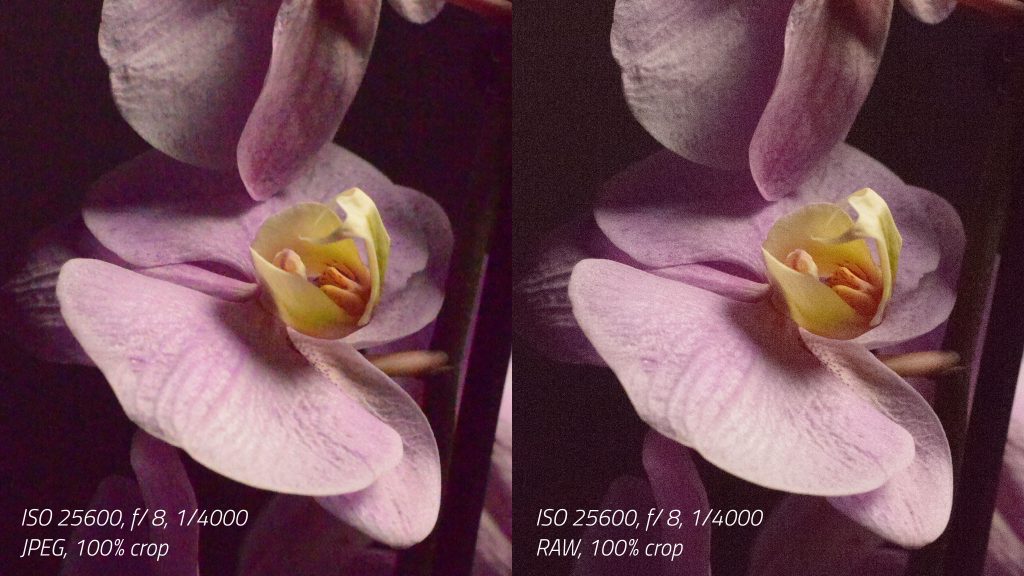
Another technical choice that will indirectly affect the amount of noise in your high ISO images is shooting RAW instead of JPEG. (This link will take you to the “RAW or JPEG” post and the related video that will introduce you to that discussion.)
Canon 550D gallery
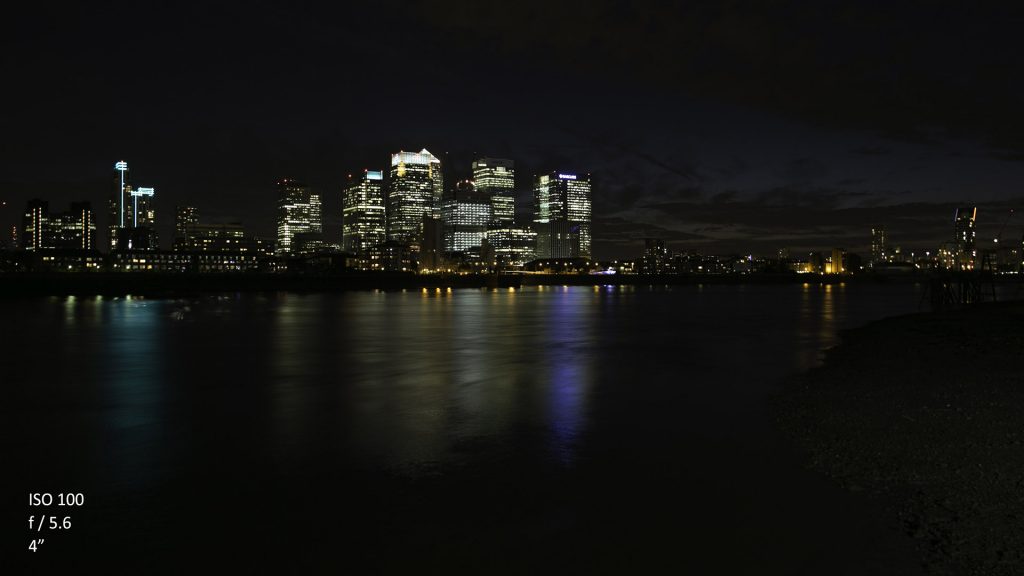
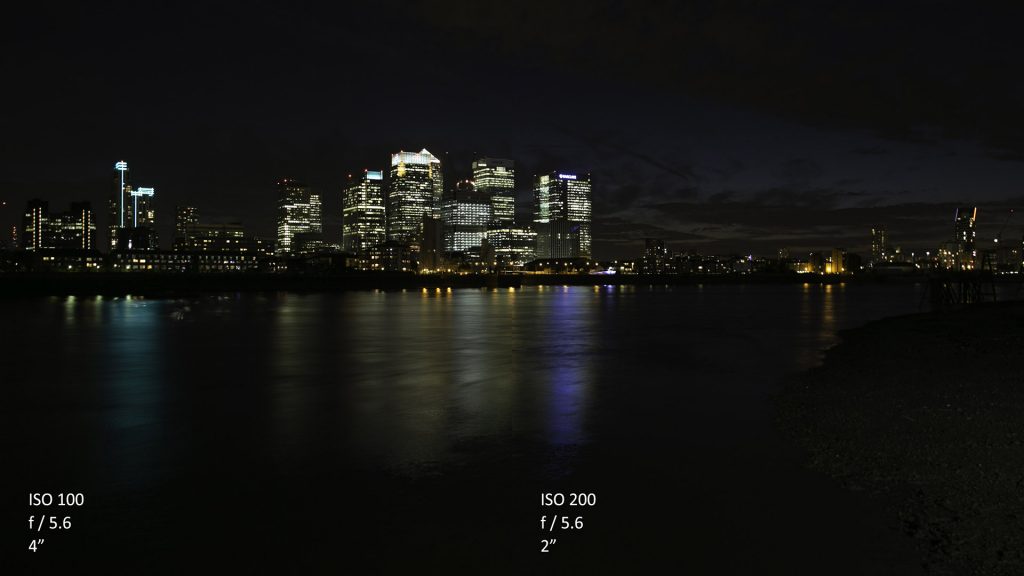
1. Side-by-side comparisons.
On the left, the photo taken at ISO 100. On the right, you have images from ISO 200 all the way to 6400
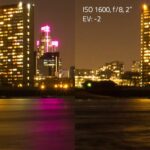
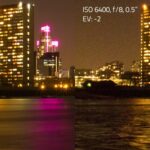
2. These are crops from the above photo to make the presence of noise even more obvious
3. Another set of crops.
4. A set of images shot with a different Canon camera, a full-frame, Canon 5D Mark III. Full-frame cameras inherently perform a lot better at higher ISOs on account of their physically larger photosites (light collecting surfaces on the sensor).
Nikon D800 gallery
1. Side-by-side comparisons.
On the left, the photo taken at ISO 100. On the right, you have images from 200 all the way to 25600
2. These are 100% crops from the above photo to make the presence of noise even more obvious.
3. A set of 200% crops
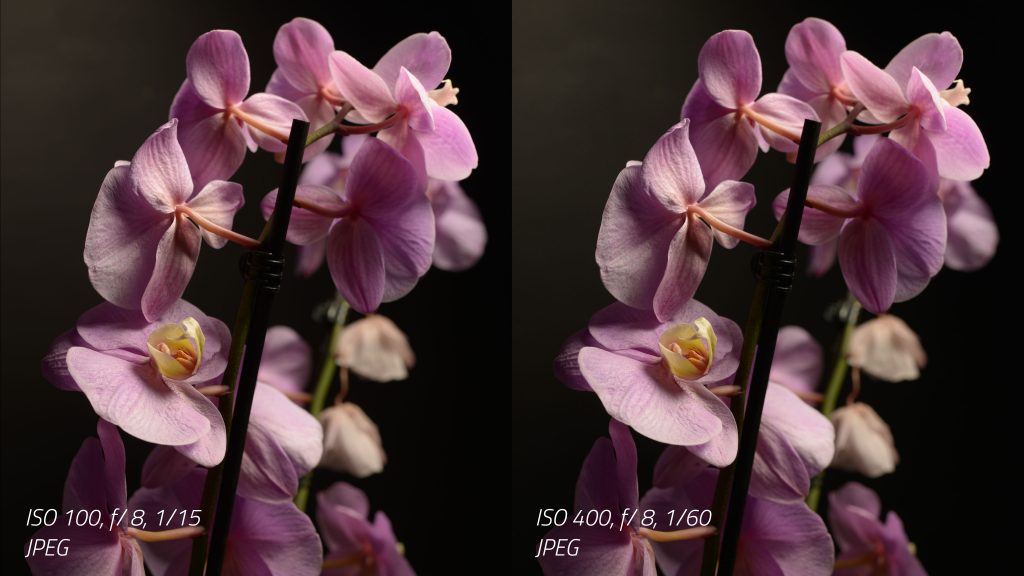
4. These images demonstrate the difference between RAW and JPEG files.
JPEGs are compressed and as ISO increases, the compression algorithm performs worse and worse as it cannot ‘tell apart’ the noise from the fine details in the image. At lower ISOs and especially if the JPEG is the final image (i.e. you are certain that you will not need to perform much editing on the file) the visual difference between the two files are minimal.
We use cookies to ensure that we give you the best experience on our website. If you continue to use this site we will assume that you are happy with it.