
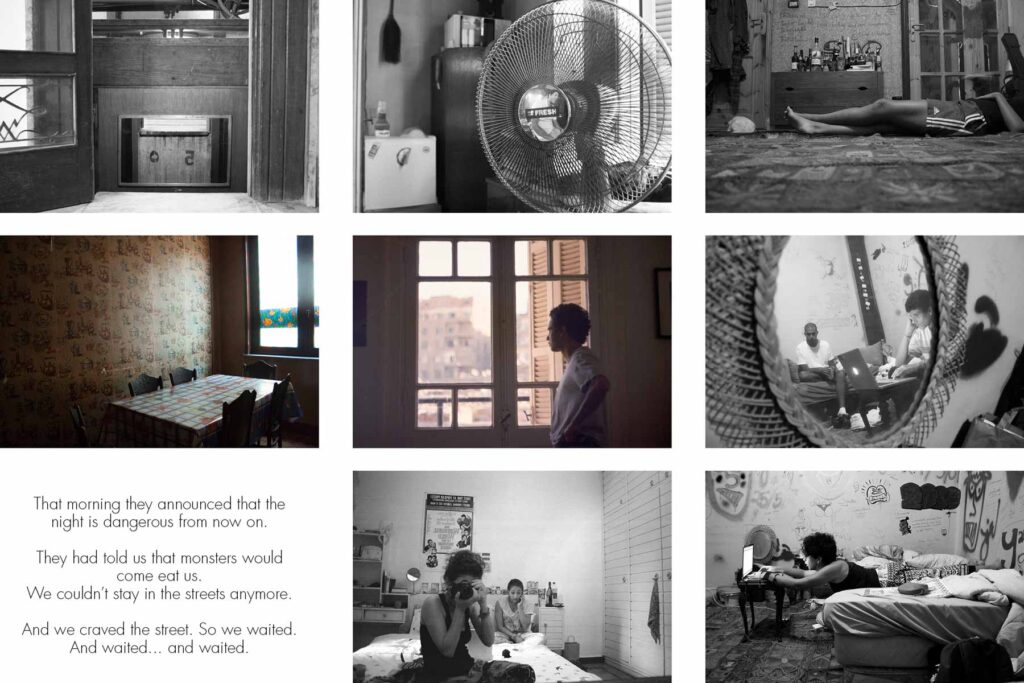
Nada Elissa
Foreword
Looking at Nada’s photos two words come to my mind:
Intimate. Private.
Gyorgy Laszlo:
Photography seems to be extremely personal to you. Looking at your site what comes to my mind is a musician who loves playing her music for her friends or to herself when she feels like it. And it’s not that you aren’t comfortable on a stage, you’re just not really looking for one to perform on. Am I close? Or completely off?
Nada Elissa:
This little paragraph really put a smile on my face. I actually laughed out loud. Yes, it feels like you are quite close.
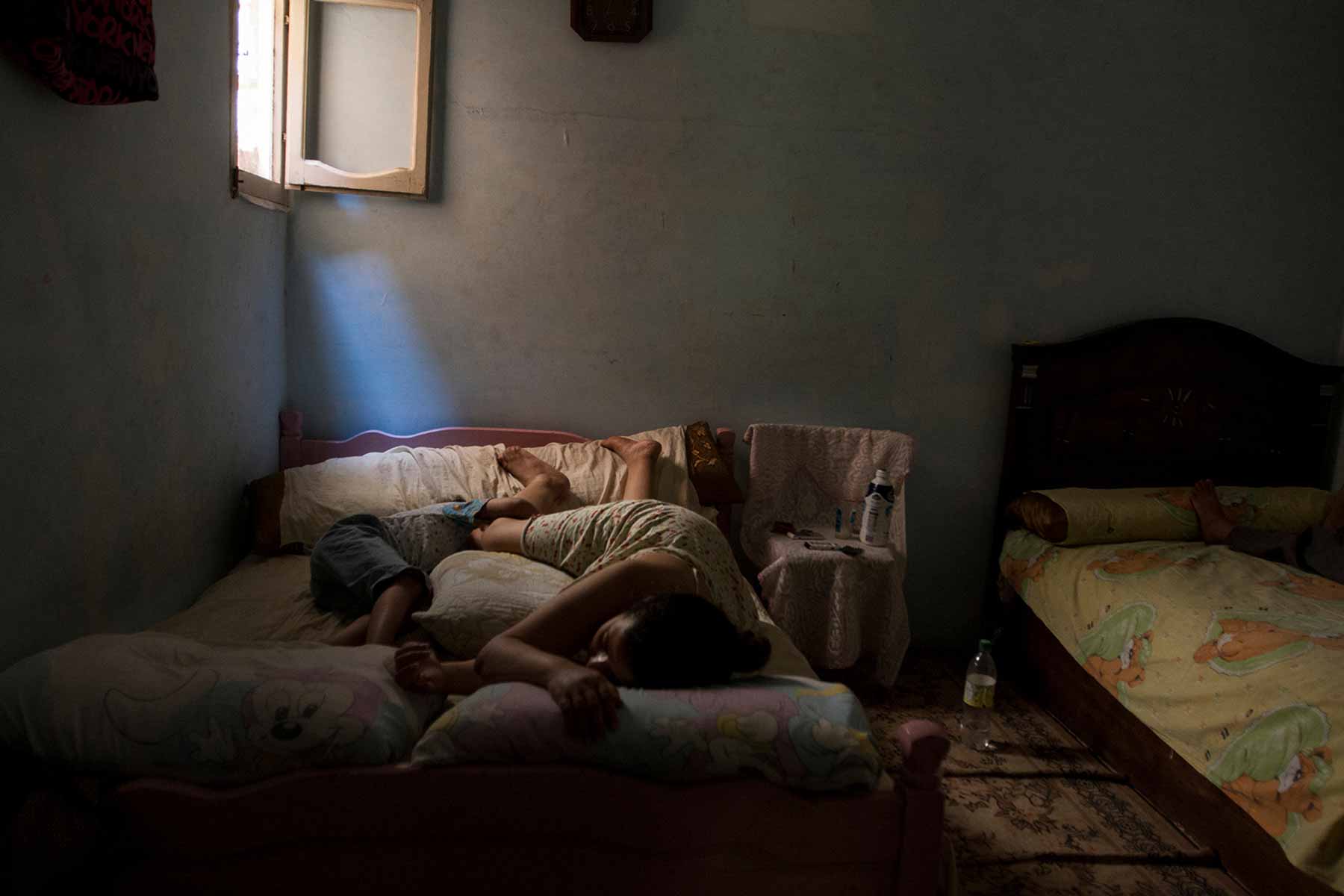
It is a dumb question, I know, but do you remember what you felt when you decided to take this photo? (I am assuming now that it’s not an arranged photo and it’s not you on the bed pretending to sleep with your camera being on a self-timer. But if this is the case, correct me!) Was it the light? That small patch of bluish light on the wall? The way the body is lying on the bed?
I don’t think it’s a dumb question. I remember very well what I was feeling when taking that photo: Fear and Joy. Fear because I was terrified to be caught taking a photo of such a vulnerable moment. Joy because the scene was just so beautiful to me with the light and the silence. The whole context around this photo is what makes it for me one of my favourites.
I was attracted by the position of her and her child and how the light hit the wall, bed and feet and these small silver linings on her face. There seems to be a lot of peace when people are asleep. I perceive this family extremely loud and chaotic when awake.
You know that I didn’t see the child until now? It’s amazing how the brain (my brain, our brains) can decide not to see certain things. I saw only one body – and all kinds of pillows on the bed.
If you look at the far right of the photo, you can see a leg of someone else sleeping. That was a whole family (parents and 3 children) sleeping together in one bedroom.
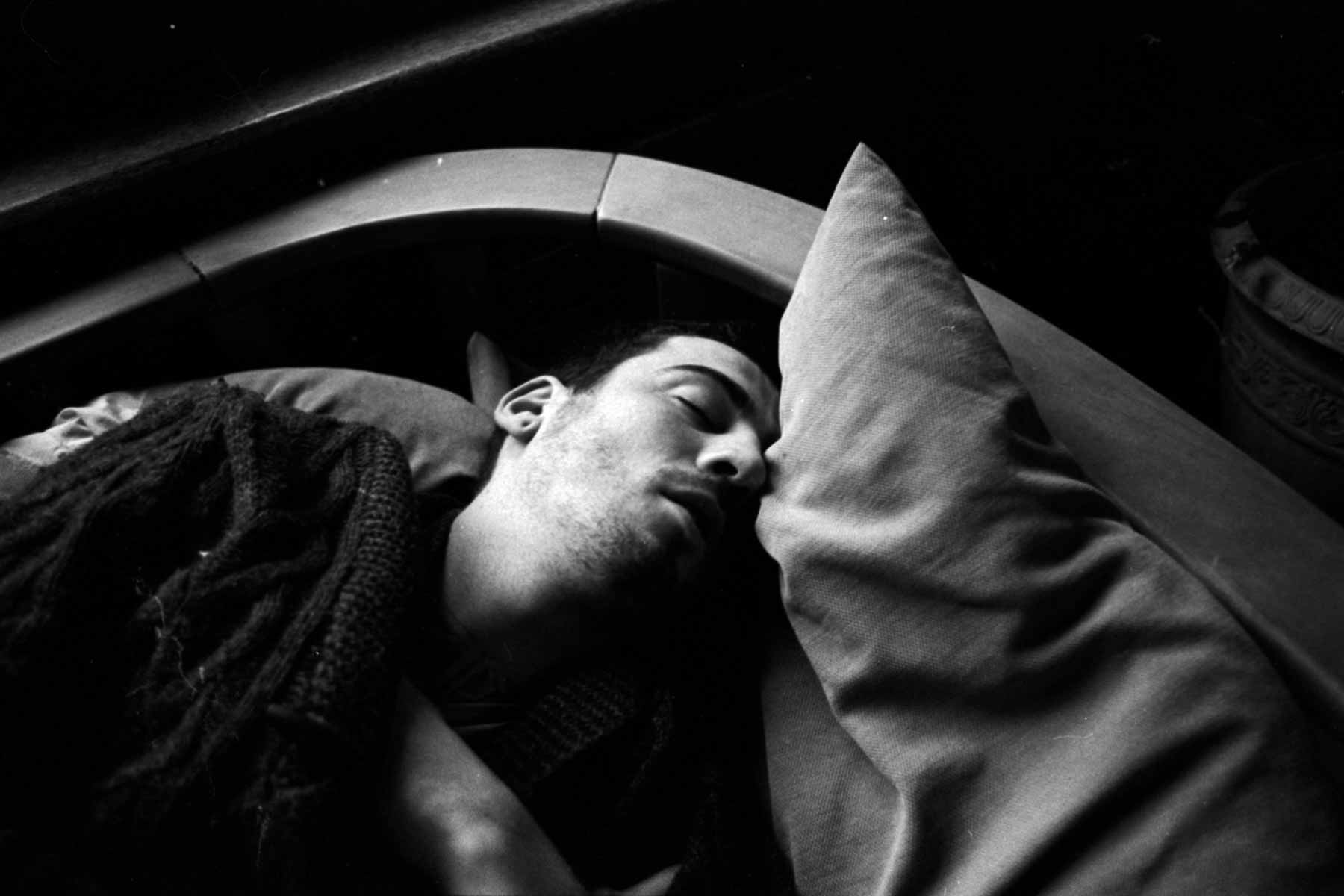

You have several pictures of people sleeping. What do you ‘like’ about sleeping people? What does sleep mean to you?
What do I like… mmm… that is a good observation. You know that I didn’t realise that? So now I am asking myself… Do I have something with sleeping people?
When I look back, I actually have more photos of sleeping people. What comes to me now in this topic is that I am attracted by the relationship I have when I am seeing people sleeping. It’s a very narrow window where I find love for them again. Where I forget all the stories between us and reconnect with love and forgiveness. I remember their humanity and my own humanity. It’s such an amazing feeling to feel honestly.
What strikes me about taking photos of sleeping people is that I (the viewer) don’t know if these people are asleep and dreaming or have just died. In a way, I don’t know if they are or they are not.
You, the photographer, could be a hovering angel, guarding their sleep. You could also be their spirits – how their bodies have died and the departing spirit takes a last look at the body it is leaving behind.
We can look at it in that way, it’s quite romantic.
I wouldn’t mind taking photos of dead people, I think death is fascinating. I don’t know how this would be perceived by society, to take photos of people who just passed.

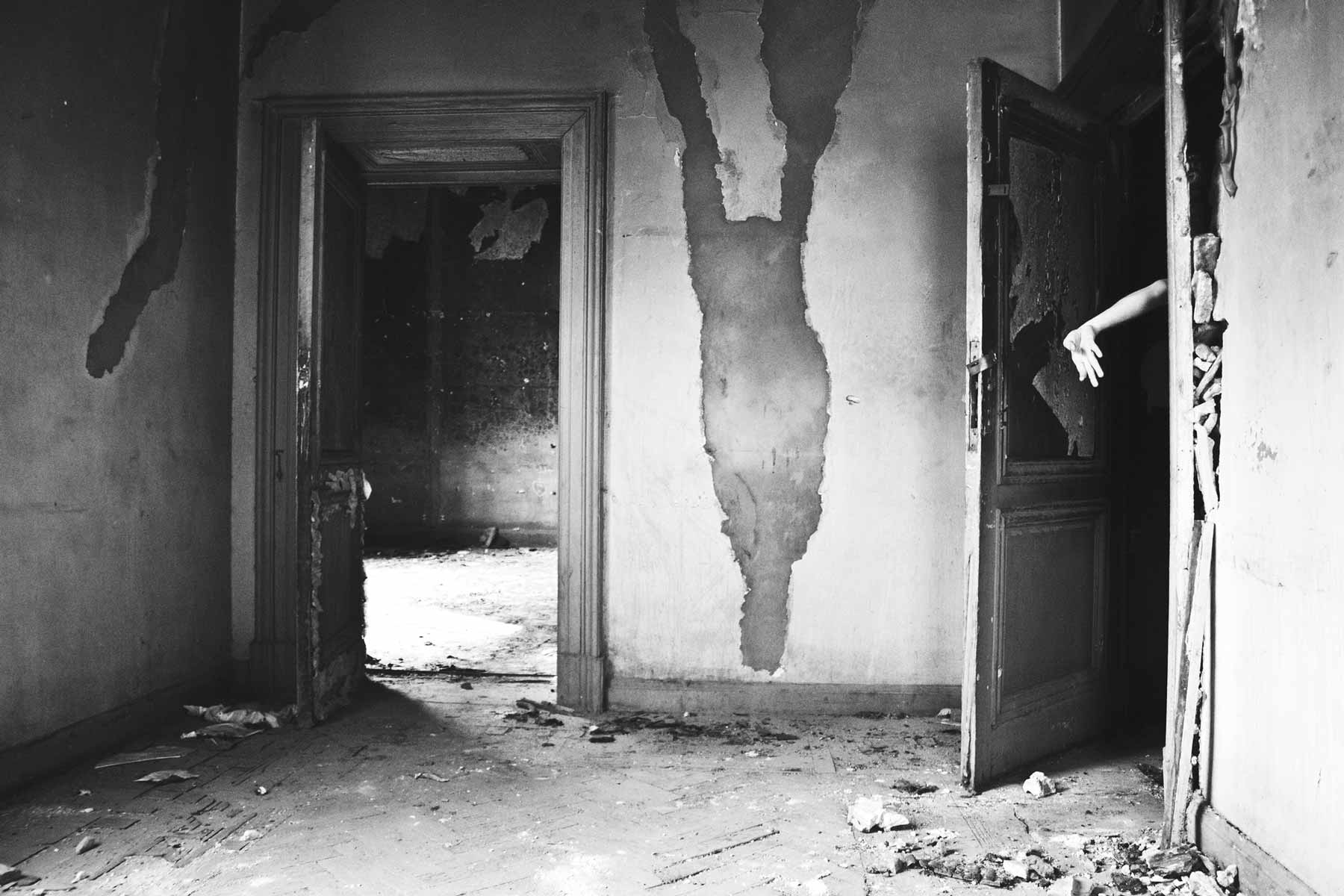
On a more down-to-earth note: how do you work? What camera and lens do you use?
I use different cameras depending on my moods. I realised I have a thing for collecting old cameras… I use a RICOH 35ZF, practical for its small size, a Canon A1 with a 28mm lens and a medium format camera called Start. It’s like a Rolleiflex but cheaper and it works really well. For commissioned work I use my Canon 6D with 50mm, 16mm and 35mm lenses.
I love wide angles… and to be honest with you I am really not attentive to which camera works best for which project. I don’t really plan it. If I am shooting in the street, I automatically take my smallest camera because I don’t want to get into trouble shooting in the streets in Egypt. Even that I actually stopped because it was very unpredictable what the police could do if they caught you shooting.
Most of the time I go for analog, I just love the texture, the not knowing, the surprises when you develop the film. I can shoot the same project with different cameras and different lenses. I believe I can be messy sometimes… and I still like the outcomes.
Perhaps another dumb question, but do you like your camera? Or is it just a tool?
I LOVE MY CAMERAS. I am so attached to them. I was extremely happy to find some in Egypt that I became a camera hoarder.
I judge myself a little for that, but I feel a lot of joy when I simply look at them.
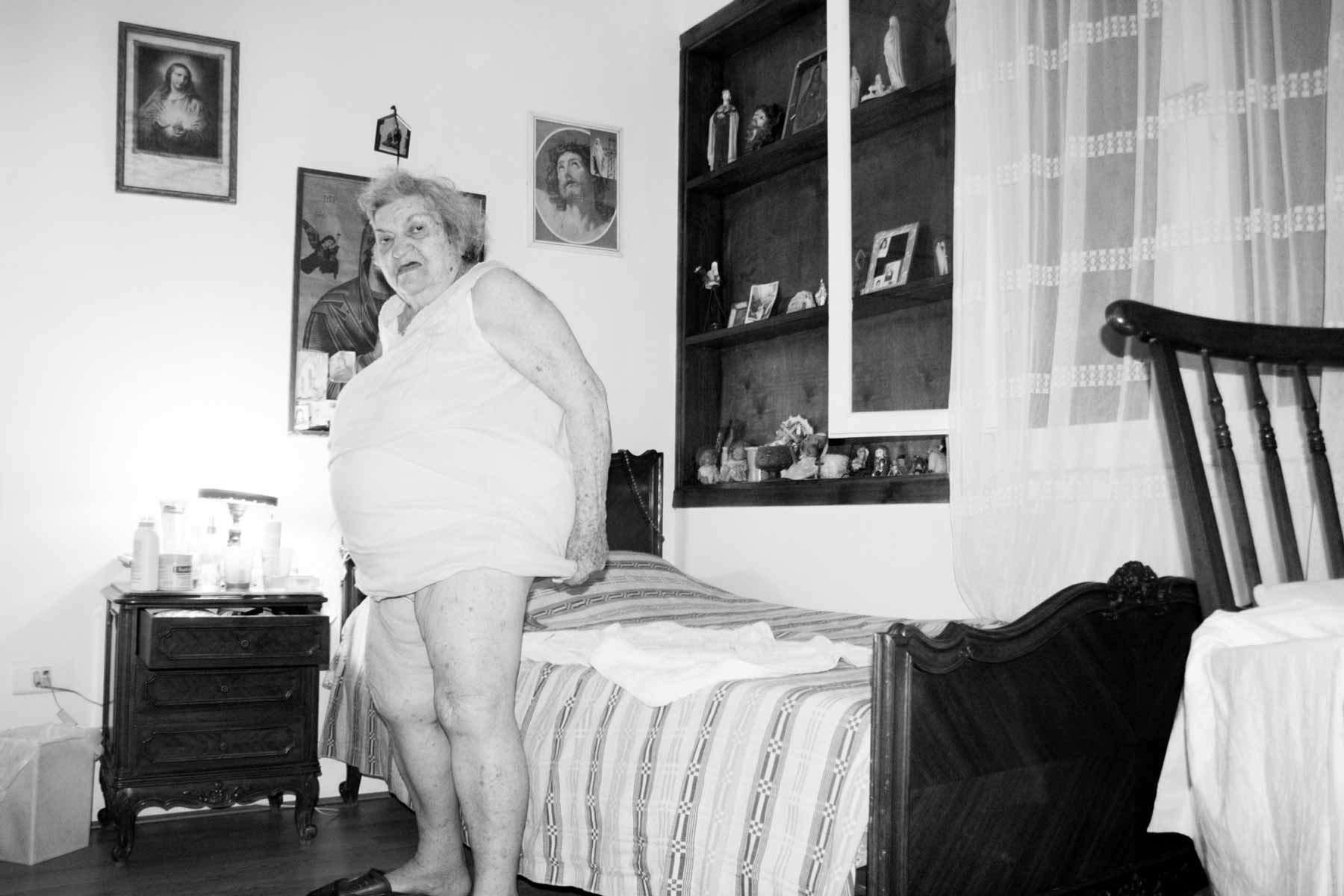

What made me curious about your images first was your series about Odette. There is something very brutal about it. You are portraying an old lady, her ageing body full of the imperfections of a human body that has spent a few decades on this planet, and she is portrayed in her fragility: in a nightgown by her bed or eating in her kitchen. I think that all photography is a choice – we choose to record one moment in a certain way and not another moment in a different way. Why did you choose these moments?
For me, these moments of Odette are extremely raw. And somehow this is something that attracts me. When I came to edit this series I found myself choosing the not so nice photos, the ones that are not posed, rejecting the ones that were too romantic. Because this was not the relationship I had with Odette. I saw Odette in all her forms and a part of me wanted to share this closeness with everyone.
Also, I think another part of me was rebelling against my mother and the way of photo stories as I was taught. Odette is the mother of my mother. My mother was not OK with me taking photos of Odette (Teta). I wasn’t sure why. I’ve been shooting Odette since 2009 and more intensely when I came back to live in Egypt after my stay in Europe. So imagine the archive I have on her.
The fact that my mother didn’t want me to take photos of Odette, made me want to take more photos, I went all in. I spent so much time with Teta, taking photos of her showering, praying, getting dressed and undressed, cooking, eating, going to church, at the hospital. I followed her everywhere and was really looking for these moments of pure rawness. I was connecting very much with time, with death, with philosophical questions related to identity and ego. I was intrigued by growing old.
The other thing I was rejecting was the “way” I was taught how a photo story should be presented. Photos looked so neat, and clean… and very staged… which was very unattractive for me, so I had anger towards that which pushed me more into the direction I took.
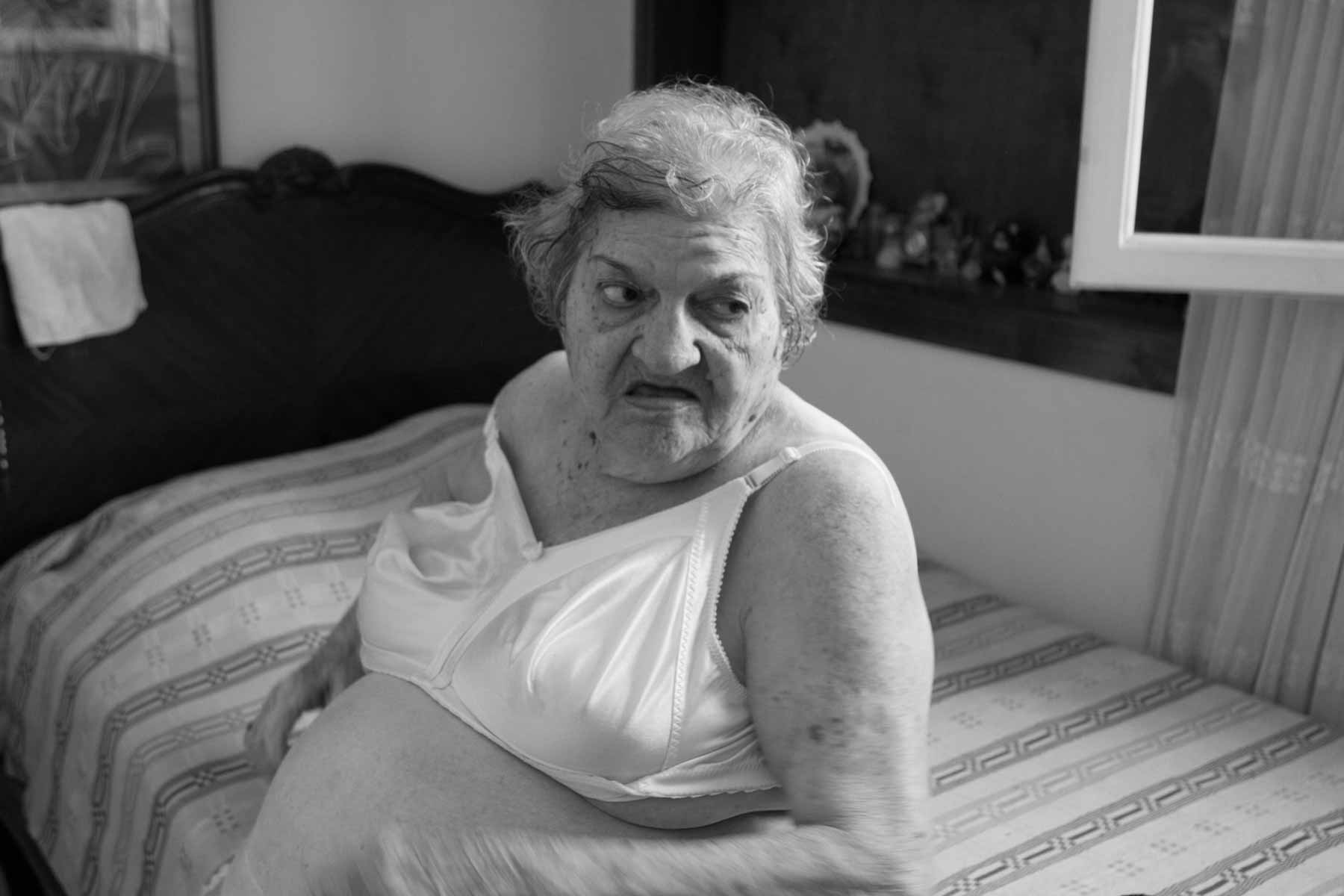
It’s also obvious from the images that there is an intimate relationship between the photographer and the subject. (I write this “ignoring” what you write in the text, I always ignore texts when I first look at photos, I want the image to tell me the story. The text can provide context later on.) What did Odette think about you taking these pictures?
Odette was here and not here. She was so peaceful with me being around her and taking these photos in the most vulnerable states she could have been in. She never voiced her concern. We were happy to spend time together. I could also really sense that she was somewhere else most of the time, or maybe she chose to be ok with everything.

What is photography to you? Grabbing important moments of life for yourself? A way of searching for people? Being a nice and kind ghost observing the people around you?
Photography is a toy I like to play with from time to time. Sometimes my ego enjoys taking photos for whatever reasons it thinks it would bring satisfaction, and other times it’s a pure expression of my inner state. Being this kind ghost full of love observing people like you say and stealing these moments. I think I steal because most of the time I am afraid people will tell me to not take the photo because it’s such an intimate moment. But for me… it’s when they are the most beautiful… because all masks are out of the picture.

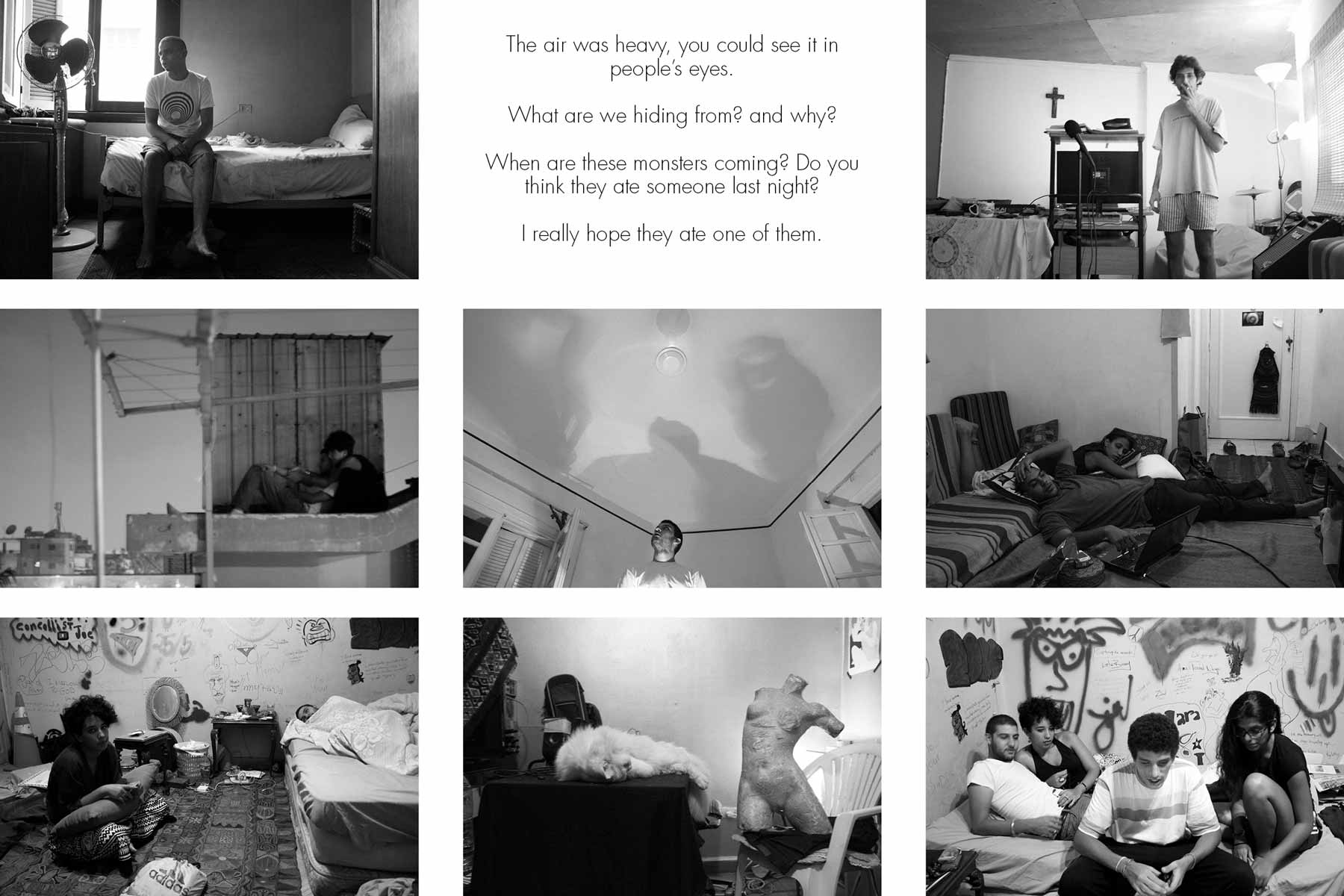
I hear this from photographers so often! And I feel this “I am afraid people will tell me to not take the photo” feeling. Sometimes I am angry with myself for thinking this. At other times I am just wondering why do feel like this?
We are simply looking. Seeing. Isn’t that actually meaningful to people? That someone looks at you and actually sees something in your story, actions, your fleeting moments? Why do we feel apologetic about this?
It definitely was (one of) Odette’s gifts to you. That she felt safe with you and in front of you. Or that she allowed herself to not “mind” you.
I have the same thoughts and feelings. I think that I am programmed to think I am doing something wrong by taking a photo of a real moment because of the feedback I get from people. It’s like you have exposed a part of yourself that you almost never show publicly and I got the chance to see it and have it. It’s like “it’s mine now” because I took the photo… but is it really mine? Is it theirs? Is it shared?
I am noticing that I am taking fewer and fewer photos because of the reactions I am getting. And there is this underlying anger that I feel because even if I was able to get a super beautiful shot… I cannot share it because either the person doesn’t want it or because of my own fear.
Then I ask… why do I want to share this? What is the purpose behind this? What value does it add to anybody? Do I want to trigger others to “feel”? To “connect” with themselves?
I don’t know.. I am just really driven by this sensation of love, if I can describe it like that. I know that when I share a photo that is bringing this feeling of “fear” inside… I get a lot of beautiful feedback on it. I know it touches something somewhere.
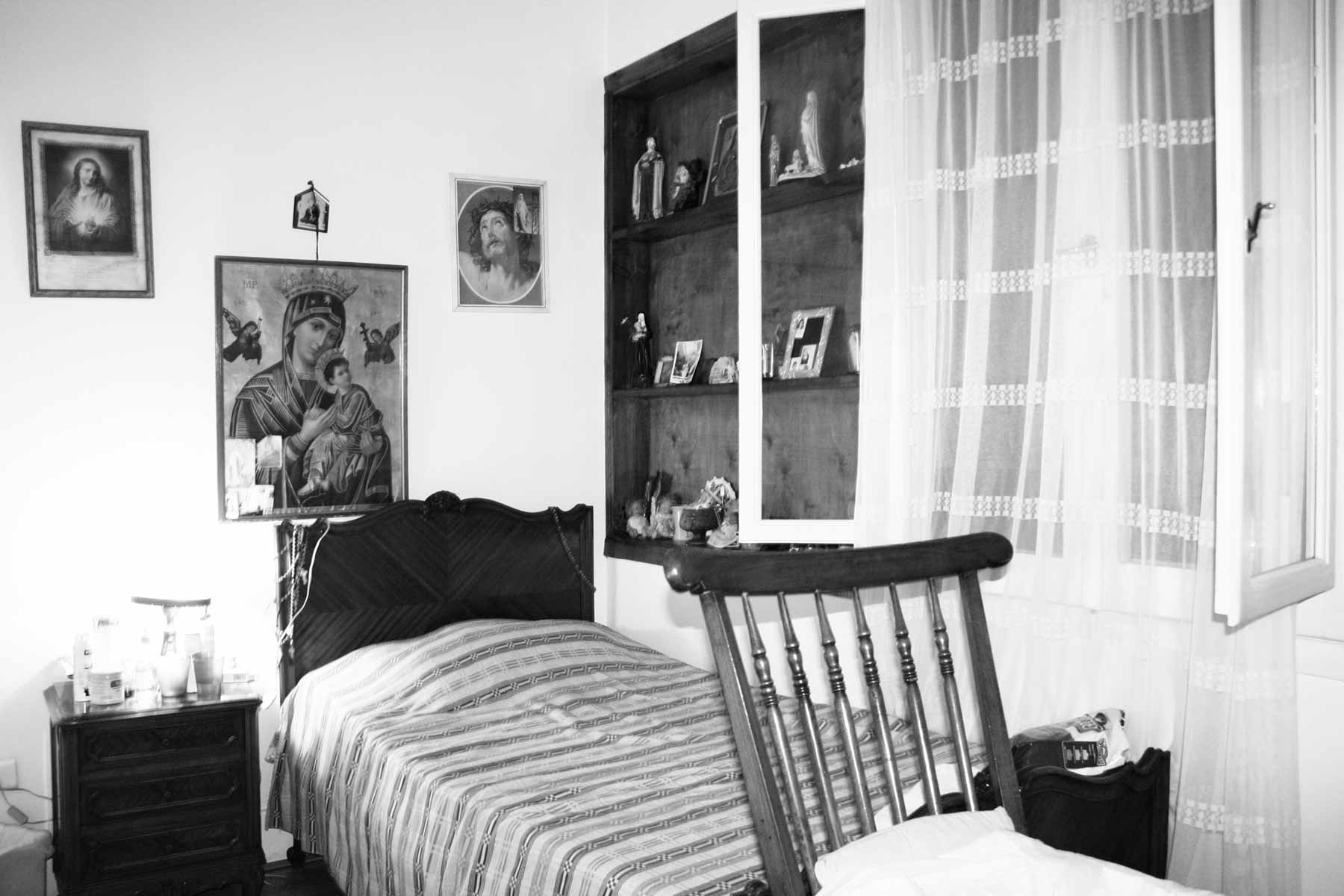
We all want to be seen right? And be loved for our authentic selves.. but how often do we allow the authentic self to be expressed in our way of being – in everything? I don’t really think we allow this often.
I was definitely lucky that Odette let me in that deep. I tried working like this with other older people and couldn’t get the same accessibility so I had to stop various projects. I am not interested in making beautiful images. I want the essence.
Slideshow of Nada’s Photos
All images © Nada Elissa and are reproduced with the permission of the author. To see more of Nada’s photography visit her web site or have a look at her instagram account.
This interview has first been published on Lightbites on 20th March, 2021.
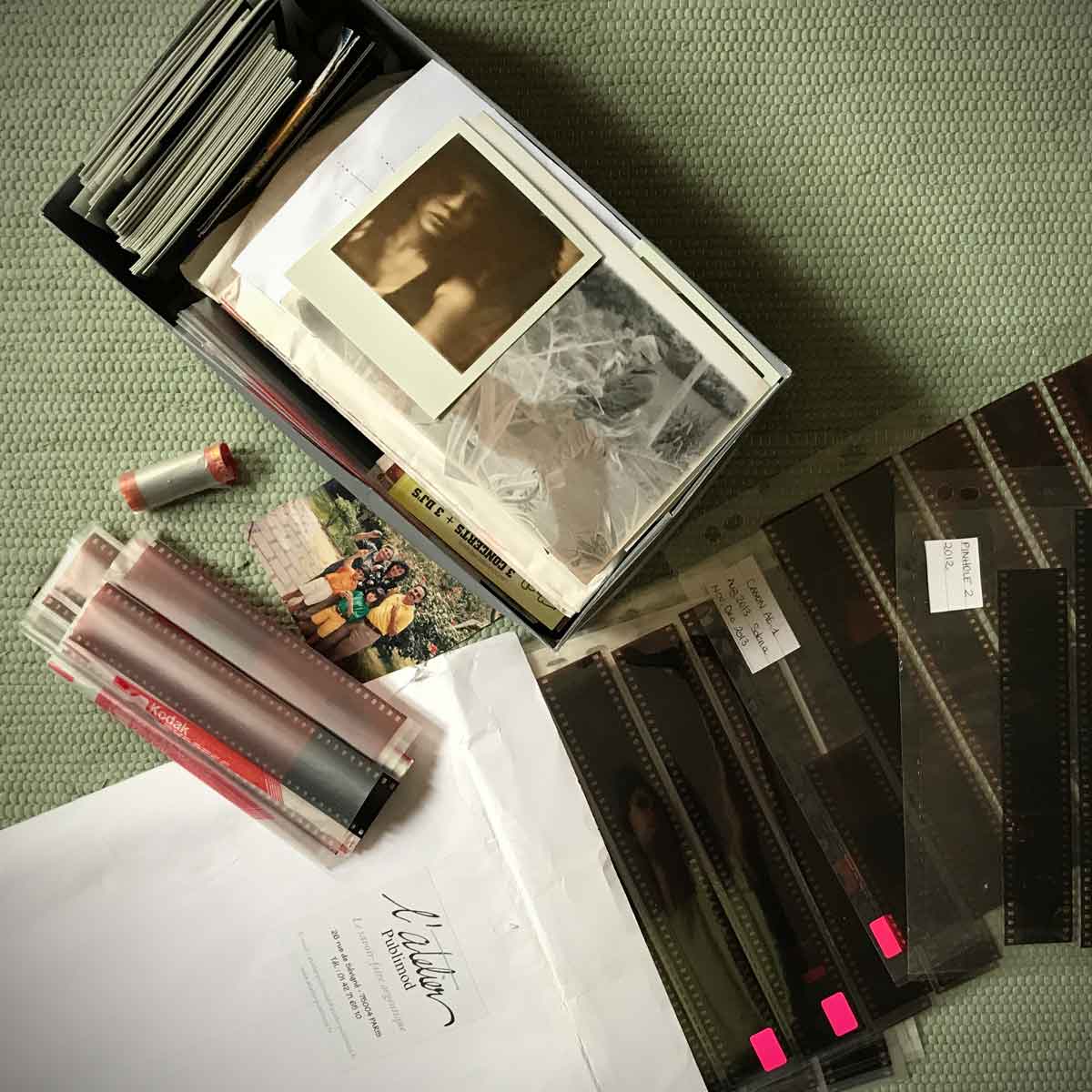
p.s.: when I asked Nada where I could see more of her pictures, she told me “in my drawer”. Here are some of contents of said drawer.
György is a cinematographer running ExposureWorks and teaching 1-to-1 video and photography courses in the UK. To book a class or for more information browse the courses on ExposureWorks.