
Do not Use spot metering!
- György
- March 16, 2021
- Photography, Video
Why is spot metering off limits until you understand how it works?
The time comes for all photographers when they want to understand their camera’s various metering modes. Great! But then many somehow get fixated on the idea that spot metering is what professionals do and, by switching to it, the quality of their photos will improve.
It won’t. Unless you understand what you’re doing and how spot metering works you are entering a landmine of wild photographic technical errors and inconsistencies.
Let me explain and show spot metering to you simply, step-by-step.
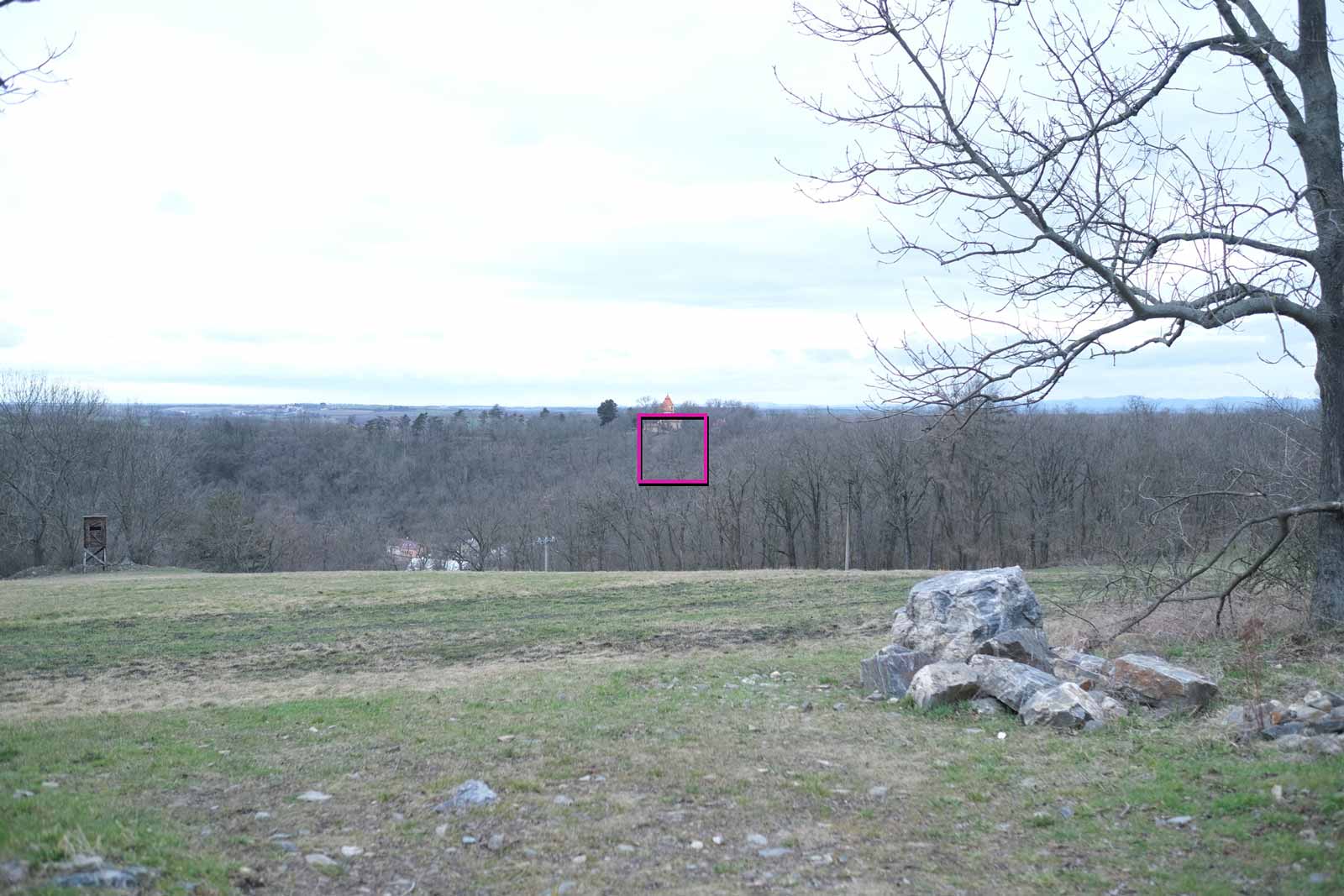
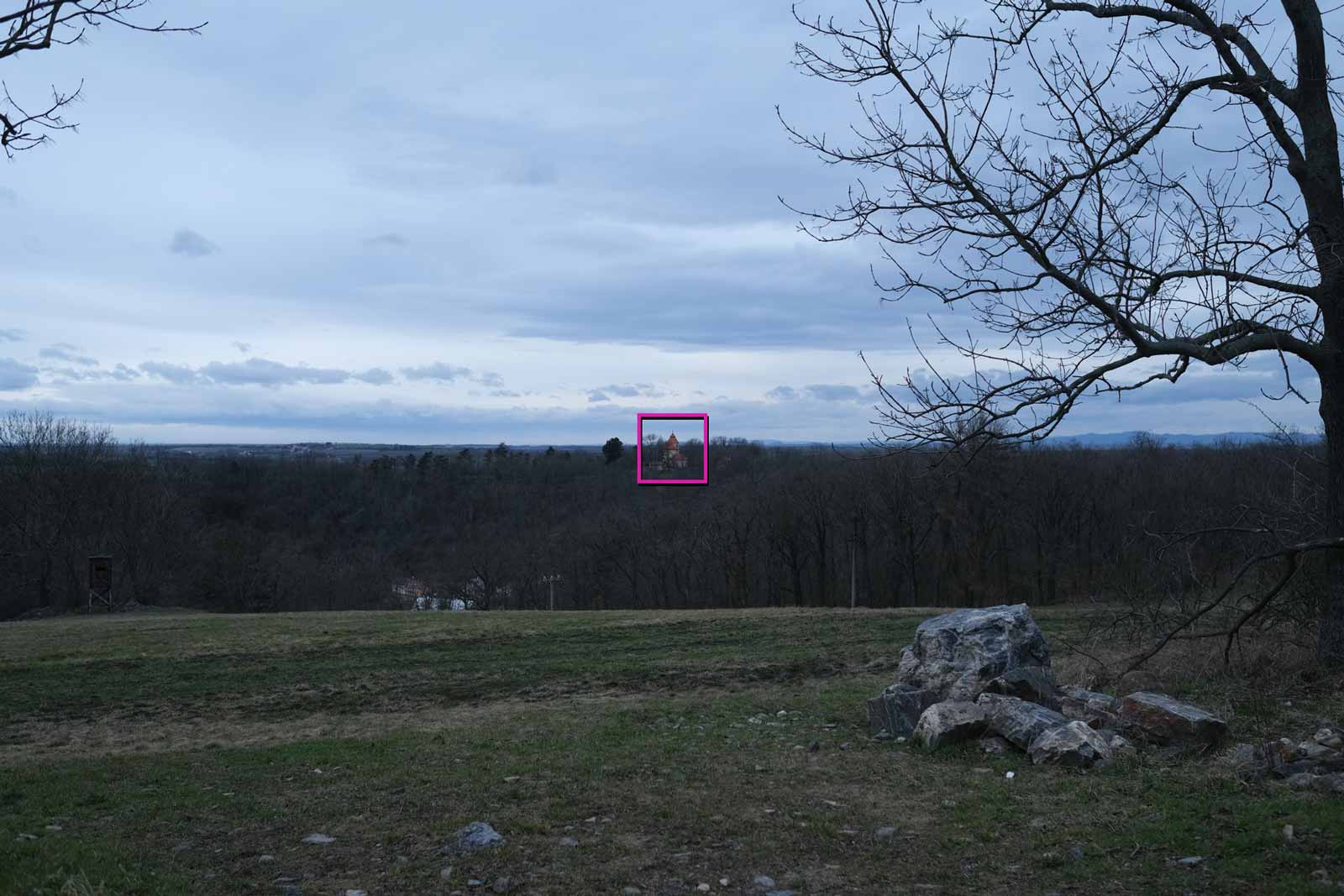
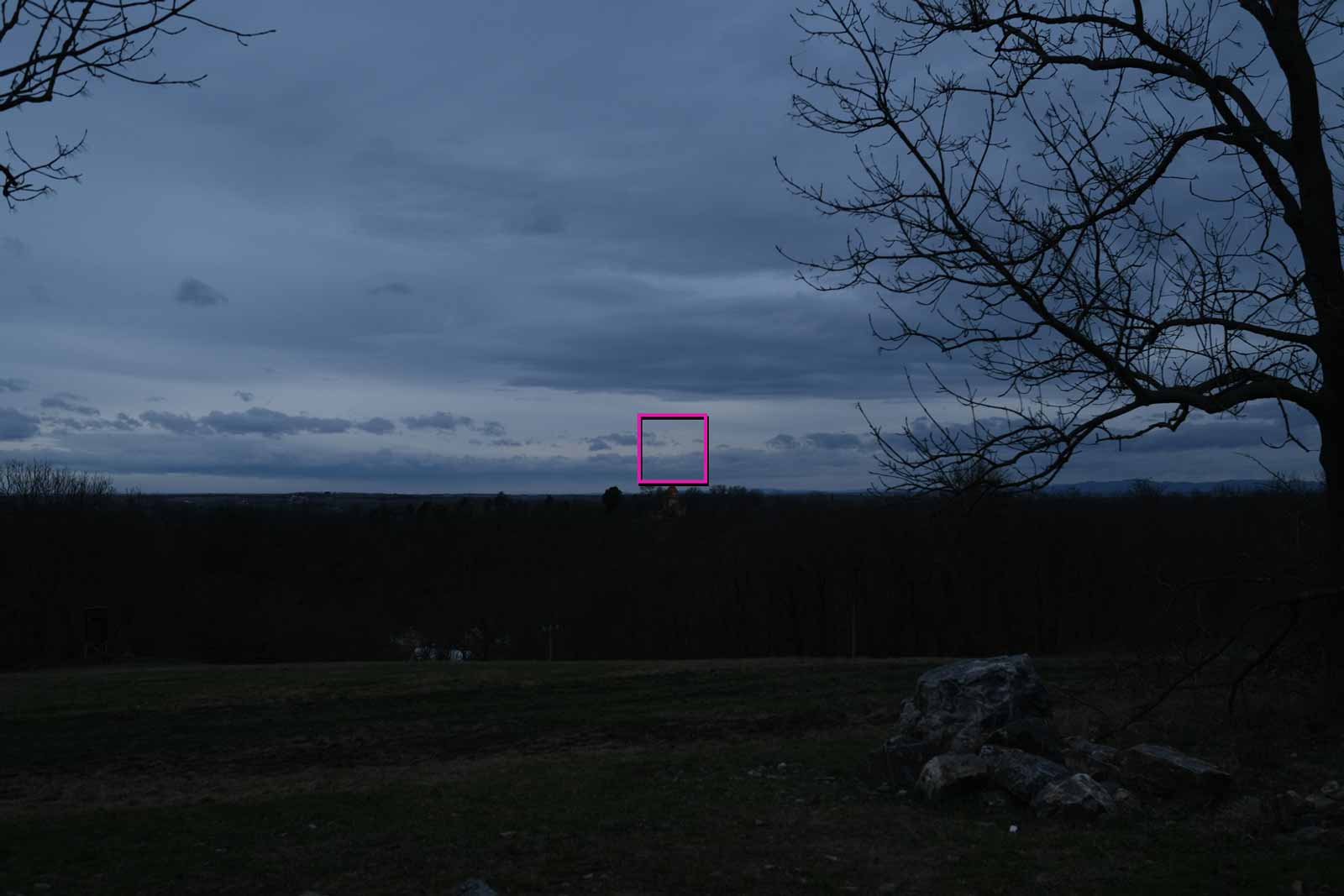
The magenta square shows you the area in the centre of the image where I set my spot metering. If you already understand why the small shift in composition results in an enormous shift in exposure, you do not need to read on.
1. Let There be Light - And Exposure
You need light to create an image. This is something we are all aware of. Photographers who enjoy low-light environments, late night urban shoots, theatre performances or astrophotography have all learned how to create an image with a relatively slow trickle of photons.
The amount of light – to be more precise how much of it gets to your sensor (illuminance) – and the length of time you collect photons for (shutter speed) determine your exposure.
2. How can we measure exposure?
Measuring anything is a matter of standards. You want to measure time? We need to define a second. Measure distance? Let’s define a metre.
Measure exposure? Simply put we need to define the effect that a certain amount of exposure will have on the photosensitive material – be it traditional film or a digital sensor.
What a light meter, any light meter tells you is the exposure you need for the given amount of illumination in order to produce a medium grey.
I can’t stress this enough. Advanced digital cameras have hidden from plain view what was obvious for generations of film photographers. High-tech DSLRs and mirrorless systems (like your smartphone) seem to “produce” good exposure which is great for amateurs.
It has allowed tens of millions of photographers to focus on content instead of having to learn to understand the technical nature of photography. Bemoaning that would be like insisting that only people who understand how an engine works be allowed to drive.
However, if you want to understand photographic exposure the medium grey is the key without which you cannot make progress.
Measuring exposure (“measuring light”) is the act of finding settings so that whatever subject you have in front of you would be reproduced as medium grey.
The video below shows you what the medium grey really is – an average value halfway between black and white.
3. Metering Incident or reflected light
There are two ways of measuring your exposure. You can either stand where you subject is and take a reading of the amount of illumination there. This is measuring incident light.
Alternatively, you can stay where your camera is and take a reading of the amount of light reflected from your subject. That is measuring reflected light.
Both methods have their different uses and strengths. But that’s not the topic of this article, all I want is for you to realise that there are these two methods.
Your camera’s built-in light metering measures reflected light.

When you take a reading (a.k.a. pushing the shutter release halfway down) the camera’s light sensors measure their illumination (“Hey, I have THIS much light falling on me!”) and indicate you, their dearest user, what settings you need to make it medium grey.
If you are working in Manual exposure mode, you pick the combination of settings.
If you are working an Aperture, Shutter speed or any other fully automatic Program mode, the camera will pick some or all of your settings.
4. everything is "pushed" towards the medium grey
If you understand what the above sentence means, you’re ready. If not yet, let’s think about it a bit more.
Your camera doesn’t (yet) know what you’re taking a picture of. But even when A.I. gets to the point (probably quite soon) that it will recognise the subject matter of your picture (dog, cactus, sky, flamingo, corn) it cannot know how dark or bright it is.
A white wall is white no matter what, but it is black at night. When you wake up in the middle of night and look around your room lit by moonlight or a street lamp outside your home, it’s your brain telling you that your walls are still white. You’re cameras light meter “knows” nothing. If you point it at your wall, it will only give you a reading: “Based on the amount of light reflected, these are the settings you need in order to reproduce this surface as medium grey.”
Your white wall will be grey.
Similarly, if you go shopping for black velvet (I know, I know) and want to take a picture of it to email it as a reference, your camera will give you settings that – again, based on the amount of light reflected from the black velvet – are going to reproduce it as medium grey.
Your black velvet will be grey.
All I did was that I shifted the Spot metering are to an adjacent area. But it meant that either the dark window or the white wall was measured and set by the camera as medium grey.
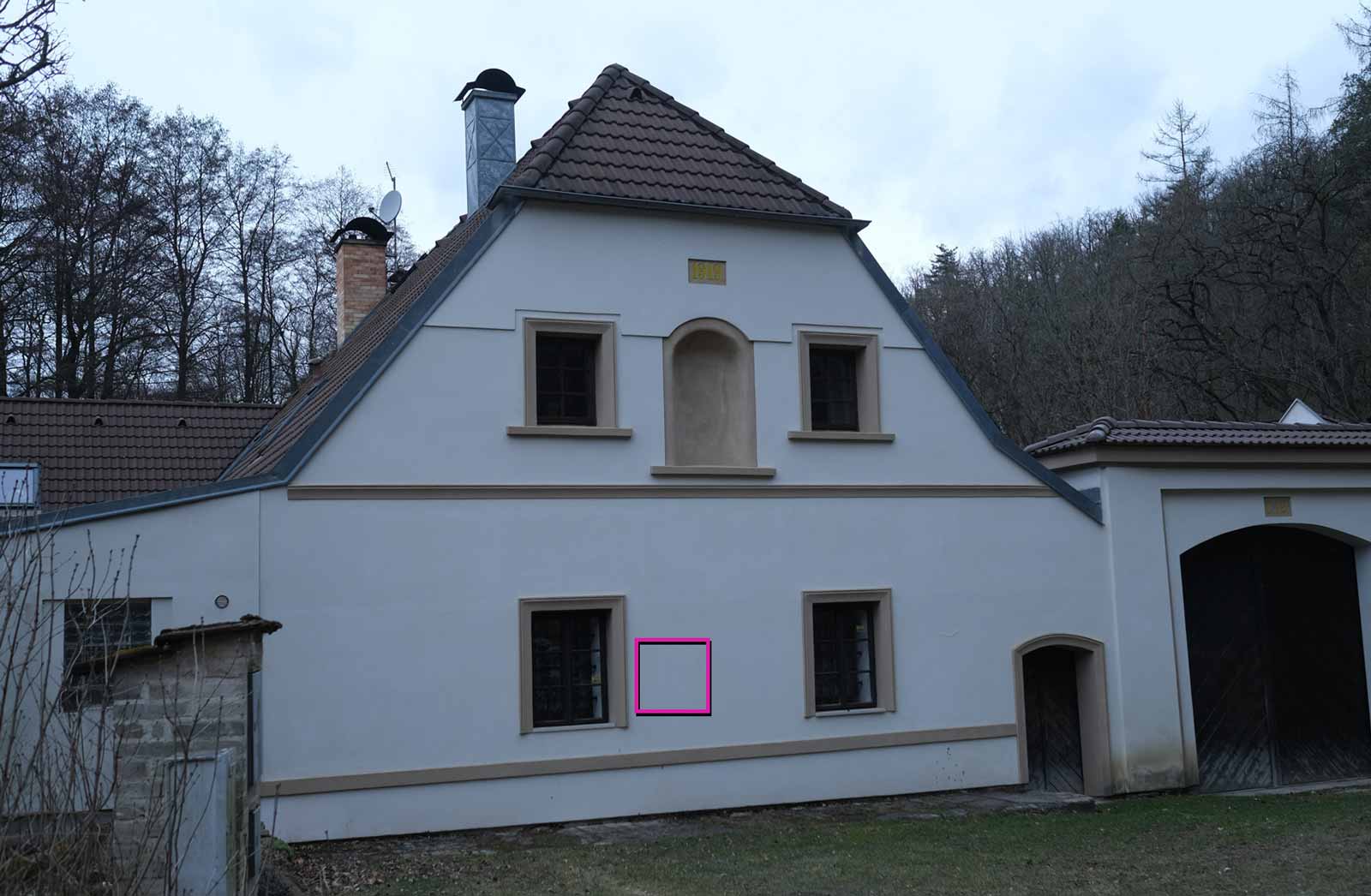
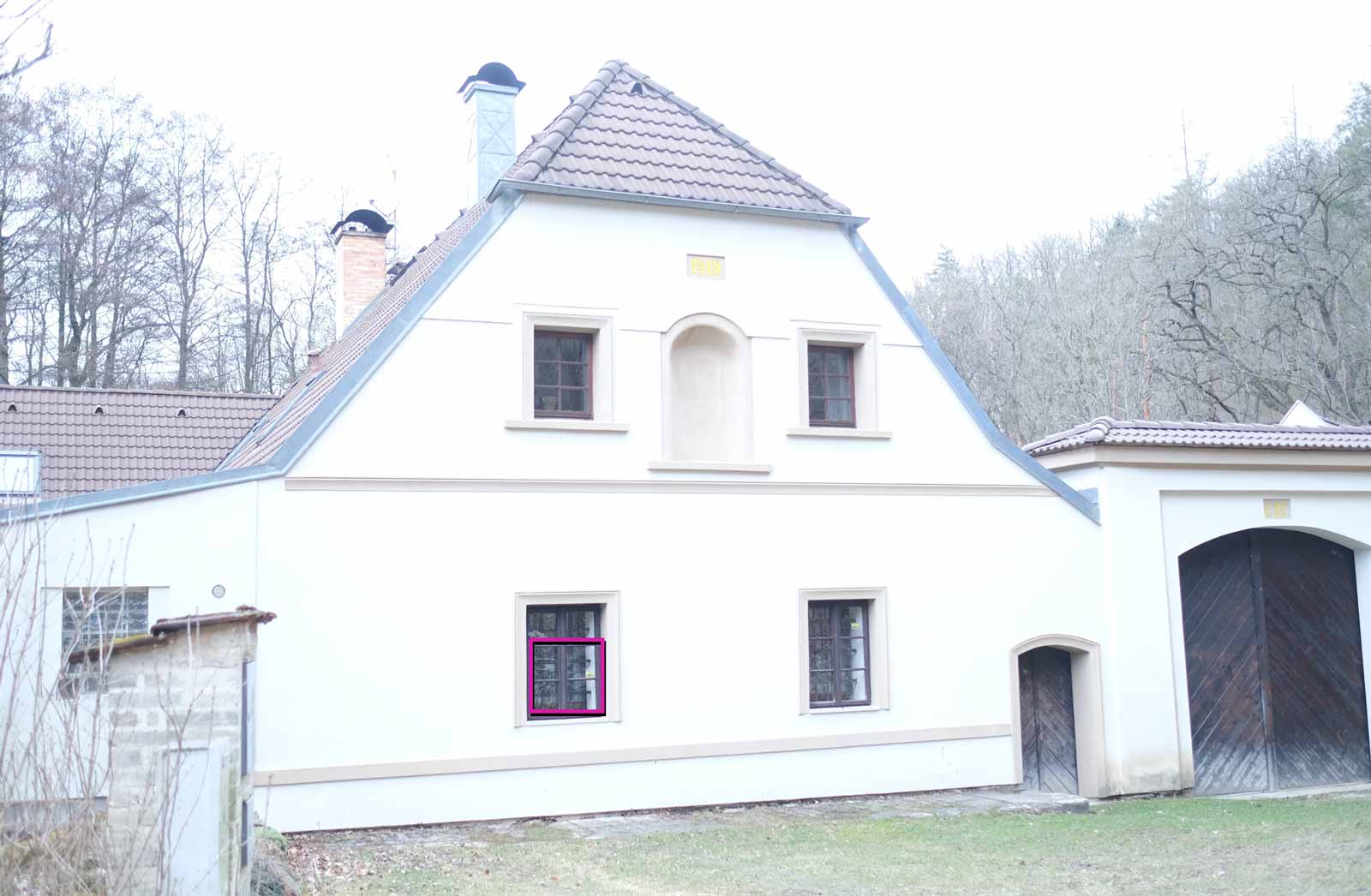
This is what your light meter does, this is what all light meters do.
The rest is up to you.
5. What camera Metering modes are about
All modern cameras measure reflected light Through The Lens – this is what the acronym TTL-metering stands for.
What you can change (and have been able to with most semi-pro or professional cameras since the 1980s) is the size and relative relevance (weight) of the area where the measurement is taken.
The two extremes are Spot Metering and Average Metering.
Spot Metering measures, well, a spot. These days it’s usually a tiny circle either in the centre of your frame or around the autofocus point that you have selected. In most cameras this is a menu setting you need to be aware of. By default the AF point and the Spot Metering area are generally linked.
Average Metering measures the entire frame (to be more precise takes a reading from all the light sensors available to the camera) and averages them.
depending on your camera brand and model, you may have a dedicated button for changing the metering mode or you may have to find it in the menu.
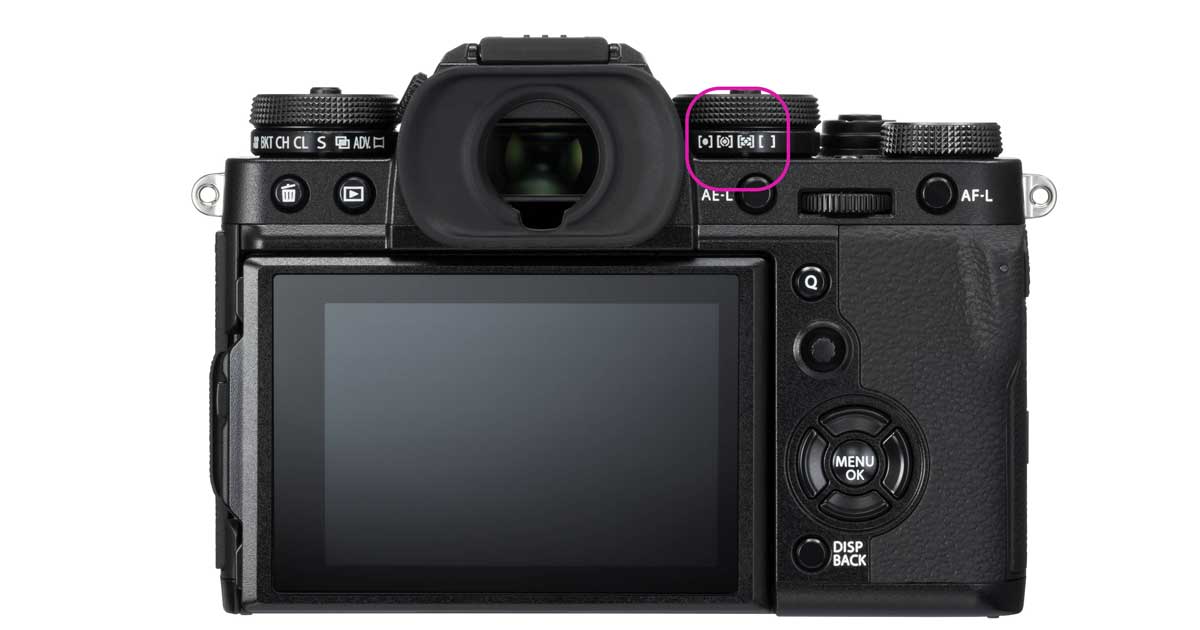


Advantages? Disadvantages?
The Spot Metering method gives you absolute precision. It measures the reflectance of a small area. But the risks of getting your exposure wrong if you don’t know what you’re doing are great.
The Average Metering is less precise but, exactly because it averages things out, can give you better exposure for your entire image.
All the other methods that various brands call Centre-Weighted or Pattern or Multi-Area or Matrix Metering are variations on the Average Metering where clever algorithms take into account the fact that typically and generally certain areas of a photographic images have statistically different importance for the final exposure.
For example, generally speaking, the centre of an image tends to be more important for an image than the edges. And so on.
6. How not to use spot metering. Ever.
You cannot and must not use Spot Metering for casual shooting. You cannot use it for event, documentary or street photography. You cannot use it for fast-moving subjects, like sports or wildlife.
Why? Because you’re working way too fast. You frame your shot, pick your AF point and do not have the time to realise how the reflectance (brightness) of the subject in your AF point will determine your exposure. Is it going to be the black or the white stripe of a zebra? Are you aiming at the white shirt or the black tie of the CEO?
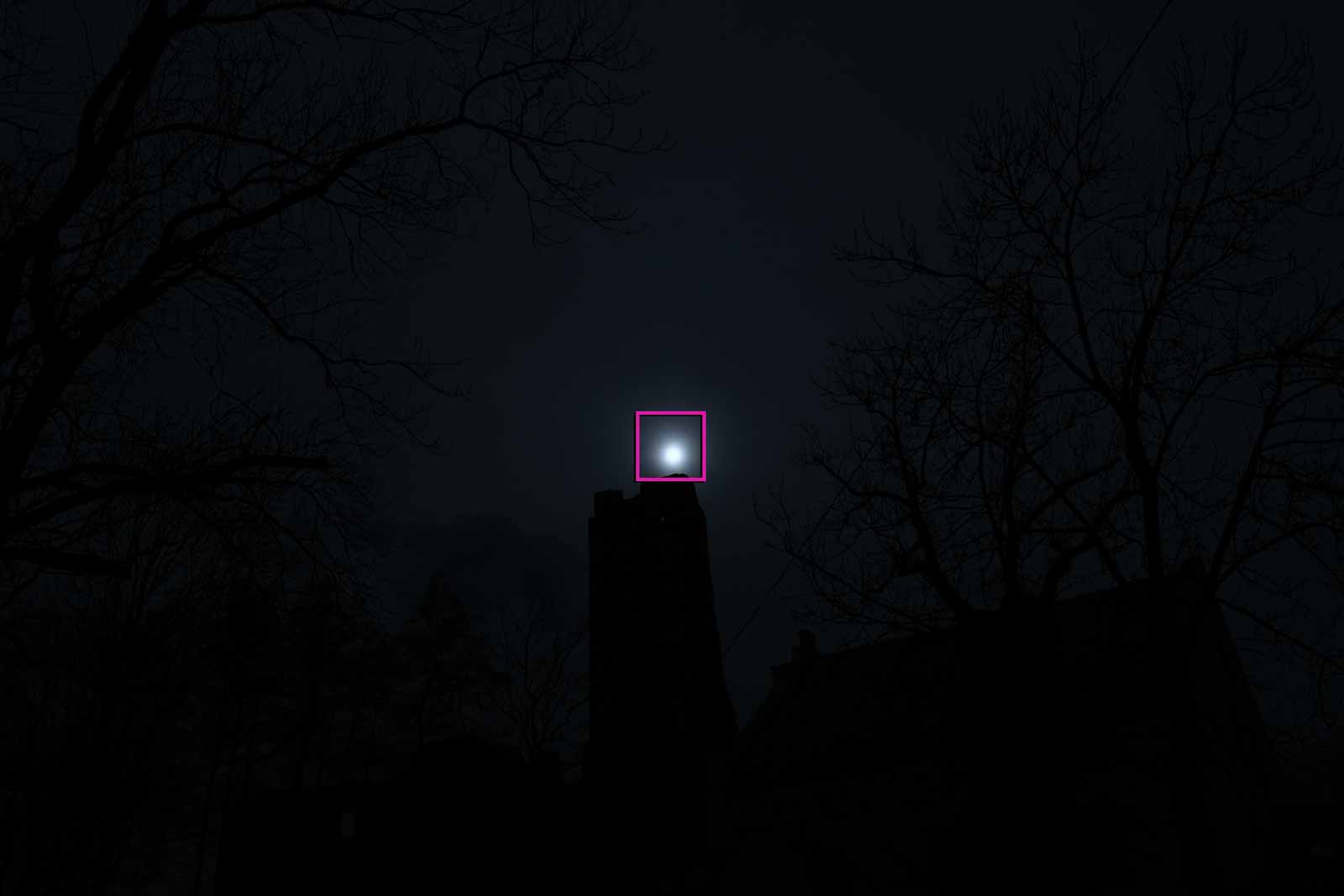
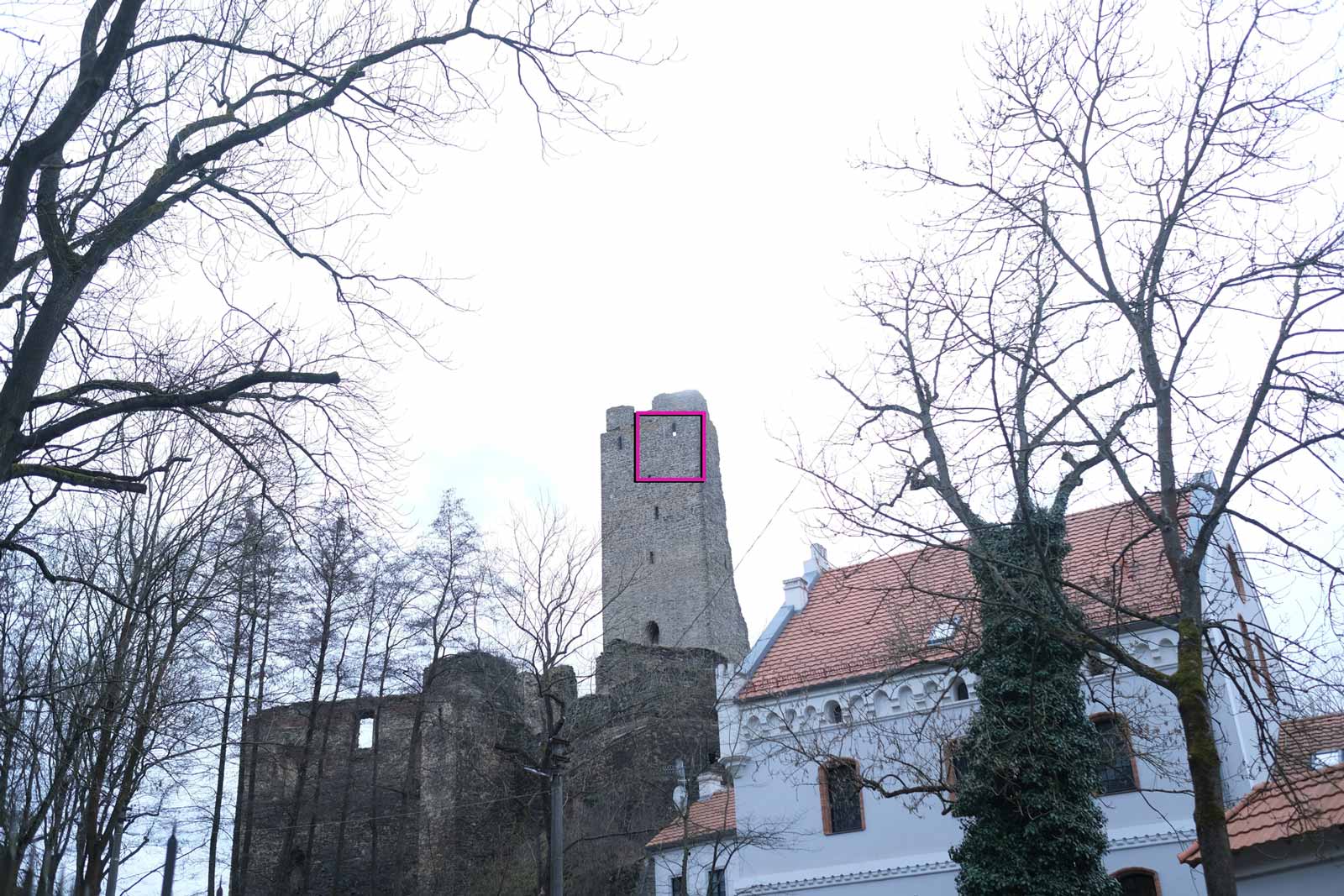
Your camera will “suggest” wildly erratic exposure values. And that is absurd, especially if you give some thought to the fact, that the amount of light (illumination) has not changed at all! The only change is in the reflectance of the area that you’re pointing your camera at.
Using the same AF point for spot metering the exposure again shifts drastically depending on what the area is ‘looking at’.
7. When to use spot metering
Spot Metering is for precision.
If I want to be honest, for most digital photographers and videographers it is utterly irrelevant. You are likely to be using one of the many other exposure tools that your cameras offer, be it the Histogram, the Highlight warning, Zebras, False Colour displays, the RGB Parade or a Waveform monitor.
Spot Metering might be extremely relevant to you if you want to shoot on film. Film doesn’t allow for immediate monitoring and there is no way of correcting your exposure errors just by looking at the photo you’ve taken two seconds later.
Film photographers and DOPs need certainty, they must know in advance how a given surface will be reproduced.
Using either your camera’s built-in Spot meter or a dedicated meter allows you to take a reading of a small surface and then decide if you are going to reproduce it as medium grey or not. Emphasis is on the “or not”.
Taking a reading of a piece of black velvet with a Spot meter will allow me to decide if I want to reproduce it as medium grey (accept the setting suggested by the Exposure meter) or, if by choosing underexposurei, I want it to be dark grey or pitch black.
Spot Metering is precise and there are those of us, who think about this kind of precision work as “fun”. However, as a teacher, I have come to appreciate that most normal human beings don’t. If you’d like to learn more about it, just get in touch.
The video below shows you all the above and some other test shots.


