
Adam Todd Klein
"Is it cheating to swap out the sky in Photoshop?"
Gyorgy Laszlo: This was the question, posted by Adam in a Facebook photography group that let me to him. It is a good, provocative question that every photographer will have an opinion on. It raises the fundamental issue of what is “real” in the photographic process, what is “fair” in producing an image and what is the meaning of creativity and skill in a technological craft.
The online discussion soon outgrew its constraints. So, we have decided with Adam to engage in an in-depth conversation that is grounded in the real-life example of a photo where Adam was tempted to replace the sky.
Adam, what prompted you to ask the question?
Adam Todd Klein: I started shooting back in the late 1970s on a Ricoh screw-mounted 35mm SLR – some 40+ years ago. Prior to the digital age, film photography offered relatively few means to manipulate images – we were basically limited to chemical manipulation during negative development (push/pull processing) and at the enlarger using rudimentary dodge/burn techniques.
Fast forward to 2020, and modern technology has radically transformed photography – both in terms of the ubiquity, quality, variety of camera equipment and the maturation of computational photography on laptop computers and iPads.
Here is the photo thaT gave rise to our discussion. Move the slider left and right to see the original photo and the one with the sky replaced.
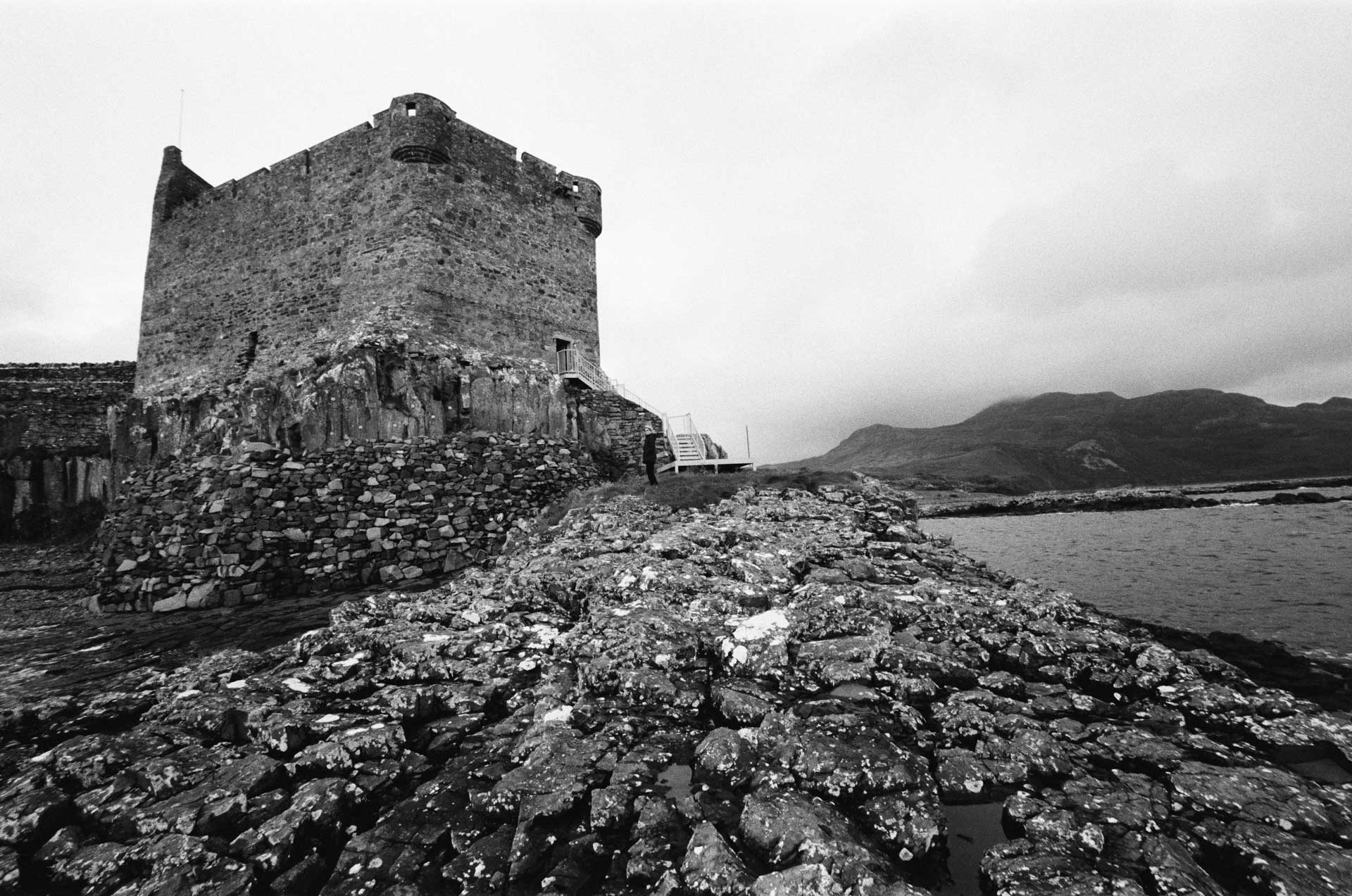 Original
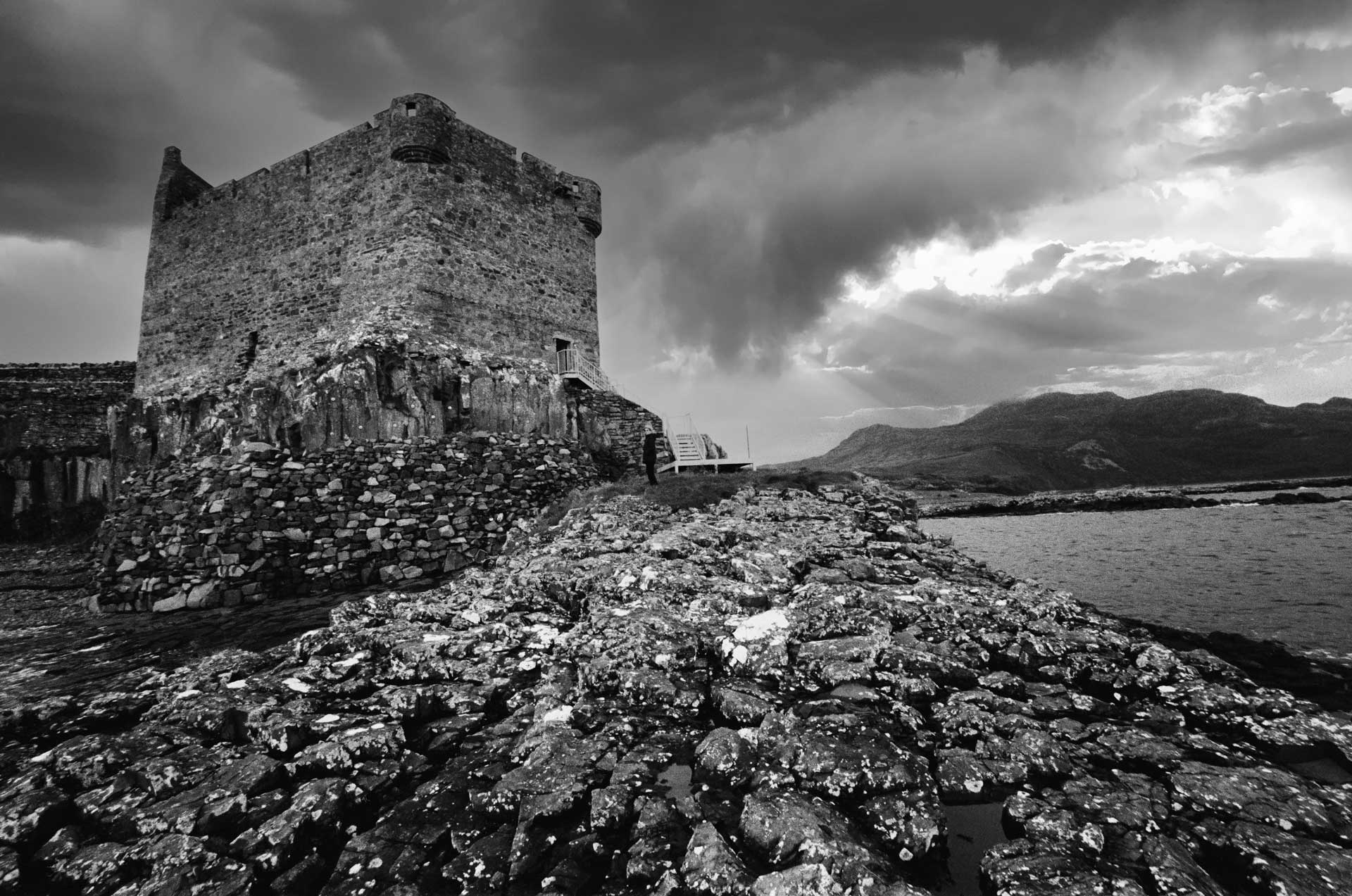 Digital sky
What was your dilemma?
Well, the dilemma is, do I “enhance” the photo to create more interest? It’s very tempting to do that – the Scottish Castle photo is an example; I suppose I could have waited around for more interesting clouds.
Modern computational photography tools have progressed to the point where you can now easily manipulate a photograph with a few key strokes – such as sky replacement, smart objects, image stitching, and specific add-on programs that simulate film grain and colour profiles.
Don’t like the colour profile of the raw file? Just swap it out in post. The actual creation of the image file in a camera is now just the starting point for what will become of the final finished image.
Perhaps what we are talking about are how the process has become first easier and accessible to everyone taking pictures and second, how digital technology allows us to produce technically uniform results every single time.
So what are the rules here? Is it photography that purports to represent the observable world around us or can we create a simulated reality that is highly manipulated by computer tools? In my lifetime, we went from film cameras with a simple mechanical shutter and basic light meter to modern cameras – such as a Leica SL2, Phase One XT, or Lindhof Techno – that produce massively large digital files that then be highly manipulated in post.
I am tempted to say that photos are made by humans for humans, manipulating an image is not a yes or no question but a spectrum with very fuzzy boundaries. One could argue that without a human observer there is no representation of the world — e.g. shooting an image with a shutter speed of 1/1000 instead of 1 second is a manipulation itself that gains meaning only when a human looks at that image.
Perhaps what we are talking about is akin to building a modern family home out of concrete and then putting a 2-inch faux brick cover all around it to make it look like a 17th century English cottage?
That’s a great point. I’ve seen a lot of images in museums or in other places (including Facebook) that reflect what the artists thought the viewers wanted to see or are otherwise derivative. The ND filter “smooth” water shot, the HDR oversaturated blue sky thing; it’s almost just a demonstration of technical competency. Can I reproduce that style with this equipment. Perhaps “art” is a manipulation of the viewer as well and a product of effective marketing.
Why did you start thinking about replacing the sky?
Well – here’s the thing. Some of my photographs are technically competent but . . . boring. And that may be fine – but what if you can gin it up a bit by swapping a sky or using other similar tools.
Is focus stacking or panoramic stitching “cheating”? What would Lee Friedlander do if he could have swapped out his Hasselblad SWC/M camera and an enlarger with a 150mp Phase One digital back and Alpa 12 pano camera? Would he still create the same photos or would he – like us – be tempted to add drama or interest with technology? Is that still photography or something else that hasn’t been labeled yet?
Do you think that, as you say, a technically competent but boring image can be improved by swapping out the sky? I think the answer is: yes. Of course.
Perhaps the only choice we have left – as our technology enables us to do more better and faster – is to be honest and tell others about the methods we have used?
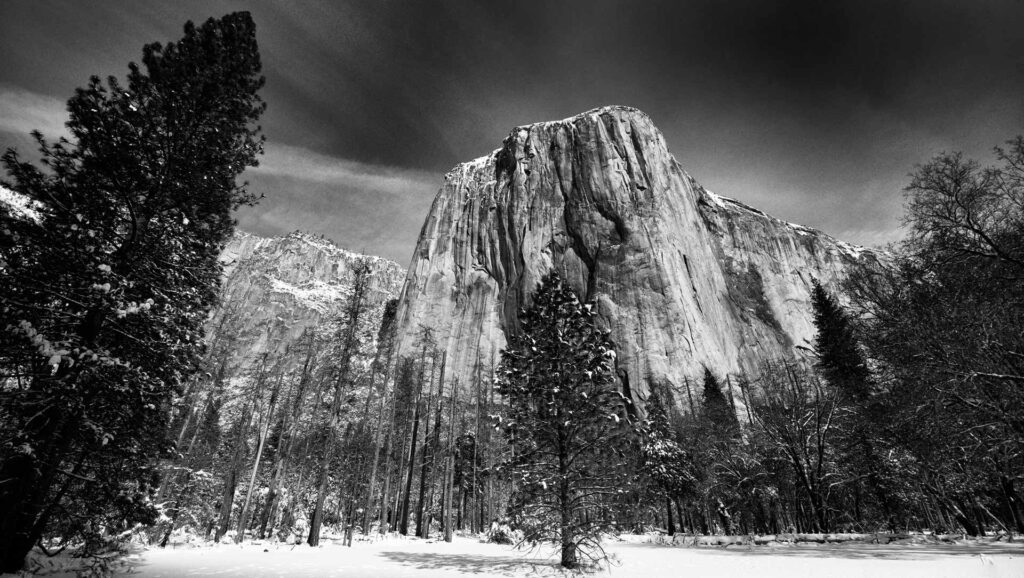
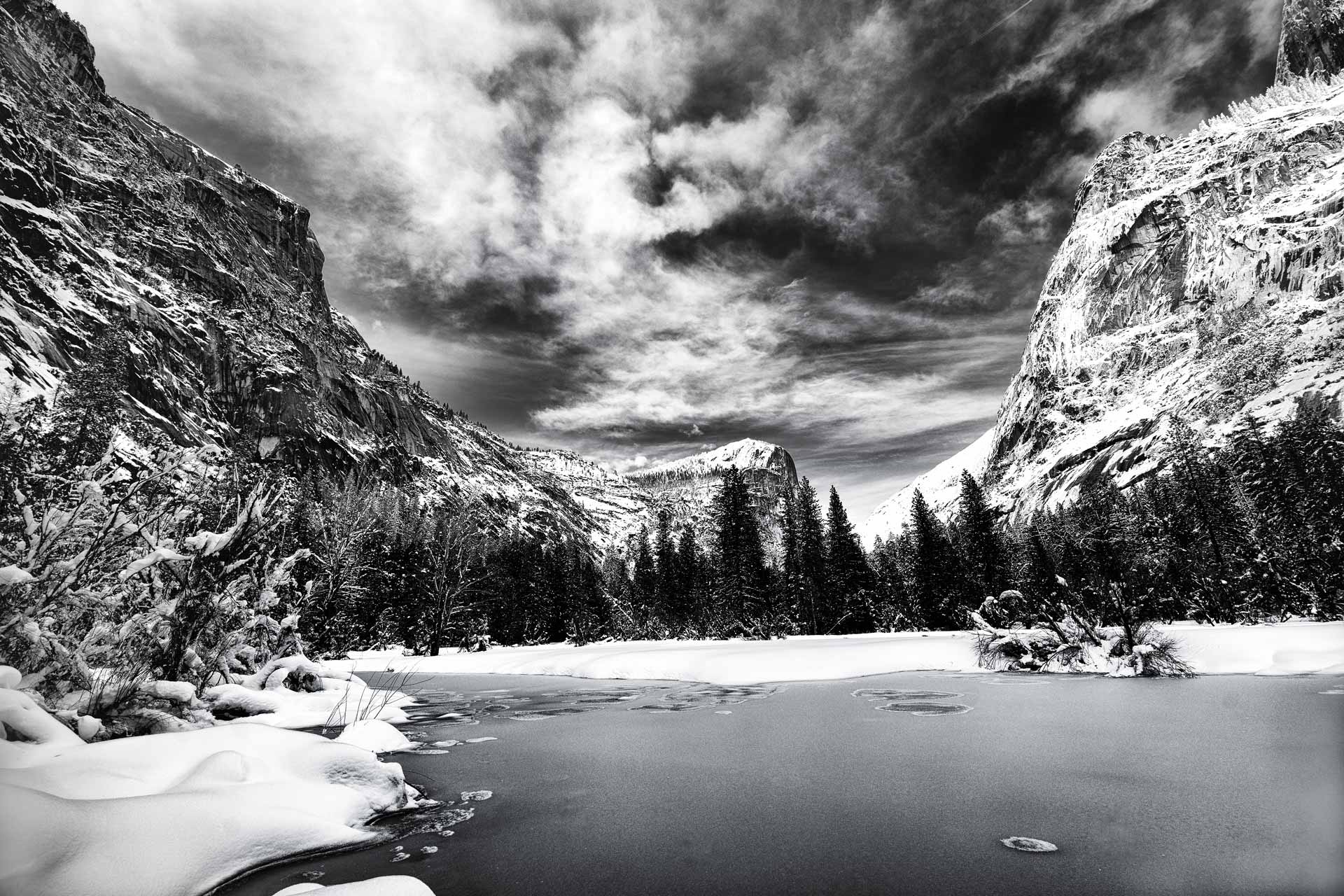
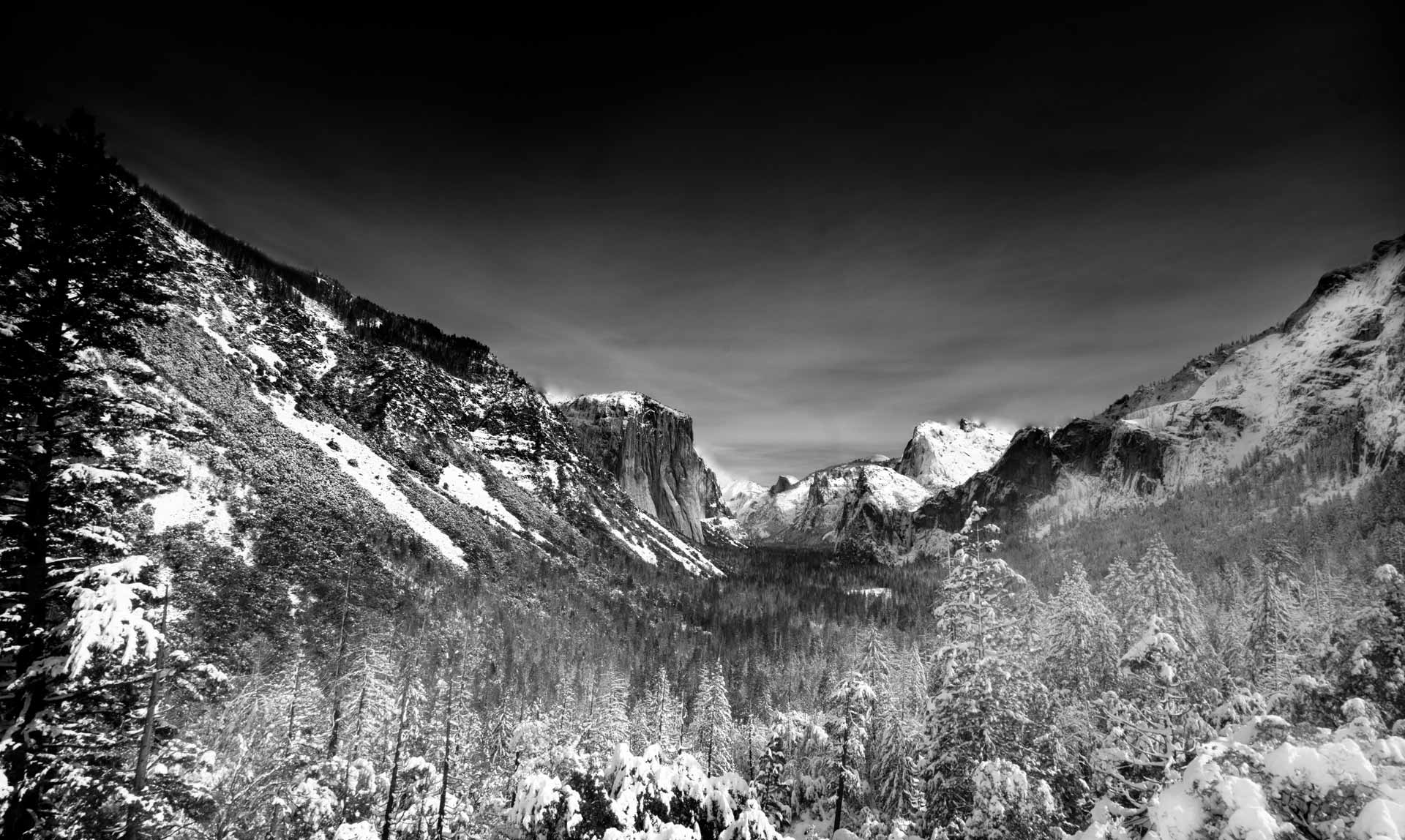
I see this as the critical distinction between technical competency to copy a style or technique vs authenticity. I did a series of photos of the Yosemite tunnel view – but whatever. A thousand people could re-create that the same image. Where’s the art in that? I wonder what people want to do with Nikon or Canon-type consumer cameras in full auto mode? Does anyone with a paint brush just start painting with no training or intentionality?
I’ve recently moved completely away from 35mm and “easy” mode cameras. It’s just too easy to push the button and play with it in post.
People commenting on your Facebook posts had a wide range of responses including: “You do whatever you want!” or “It’s not cheating if it’s the type of photography you enjoy.” What do you think? Can we, photographers, really do whatever we want to?
Cheating in this context is a confused term. We all cheat in photography; Ansel Adams gave instructions to his assistants on how to exactly replicate his master prints.
Great photographers have a certain visual vocabulary that transcends technique – perhaps that’s the essence of the art form. My struggle with photography isn’t really whether to cheat – it’s to create a coherency to the work.
I can diagnose someone’s style or technique (or at least guess what they did) and try to replicate it using digital tools – but that’s not art. That’s imitation. Perhaps that’s really what we have come to – it’s so easy to imitate art or creativity using computers.
A simulated world with work that is blinged out: too much colour saturation, too much dynamic range – big fluffy clouds, a sun ray – too much faking it.
Perhaps photographers using Tri-X and a Leica M3 are the true artists and everyone else is stuck with pushing buttons on a computer. Go shoot a Hasselblad 503CM for a year and then learn about Photoshop.
We are looking for something that transcends technique. Or to be more precise something that blends with the technique used and maximises it’s potential.
So maybe the true measure of being a master is the ability to maximise the potential of the tool and the creative process that you’re using to express whatever it is that you wish to express?
Where’s the intentionality of expression? Or – perhaps more importantly – can you/we tell the difference between chance and art. The divide has closed with these tools.
How do you see my attempt at drawing a line between what I consider standard editing and content manipulation? In a very philosophical way I think that we are also discussing if image editing is a continuous spectrum with fuzzy boundaries or if it’s a spectrum with discrete stops and – at least a few – clear boundaries.
It’s really the same problem – chance versus intentionality. It’s really easy to just play with an image in Photoshop until the cake is baked. That’s monkeys banging on typewriters.
I’m just a hobbyist. I’m not pretending to be an artist of any particular merit. For me, the goal is to try to find authenticity in my work.
Sometimes that happens, often times I make motel wall art. Do I know the difference – not sure.
For those of you who are artists – you have an obligation to be truthful. You shouldn’t pass off Photoshop code for your unique artistic expression. Or – if you do – be honest about it.
I wish that Photoshop didn’t exist. Then my limitations as a photographer are obvious. Now – I should give credit to the C++ coders from Adobe. Good job Bill on the HDR filter and nice work Jim on the Kodachrome 64 film pack emulator.
All honest creators are looking for some kind of authenticity. And we are constantly looking inwards and are asking ourselves if we know the difference.
My guess is that the computational photography tools will continue to rapidly advance where you can point to a reference photograph or artist and then have that style transposed into another image. What if the Apple iPhone 16 offers an Edward Weston or Richard Avedon button and – like Charlie in the Wonka factory – you are magically transformed into a legendary artist? Seems like that’s within our lifetimes. Then we really should thank that C++ coder.
What I am now drawn to think – thanks to our conversation – is that the exponential growth of technical possibilities in itself will not create authenticity. Although, we also know that humans tend to think too much of themselves and our powers of perception. In a few years images created by AI implementations may easily fool us.
So perhaps the real problem is that the divide between banging on a keyboard/or camera and art is shrinking. Consider this same discussion using oil paint and a canvas. There’s no auto white balance or digital manipulation of perspective – the kind available in a ‘non-destructive’ environment. No swapping out the sky. It’s just you and the canvas with paint and a brush.
With photography there’s a reasonable chance that someone pushing buttons will stumble across a good shot.
But can they stumble across a style or point of view? I doubt it.
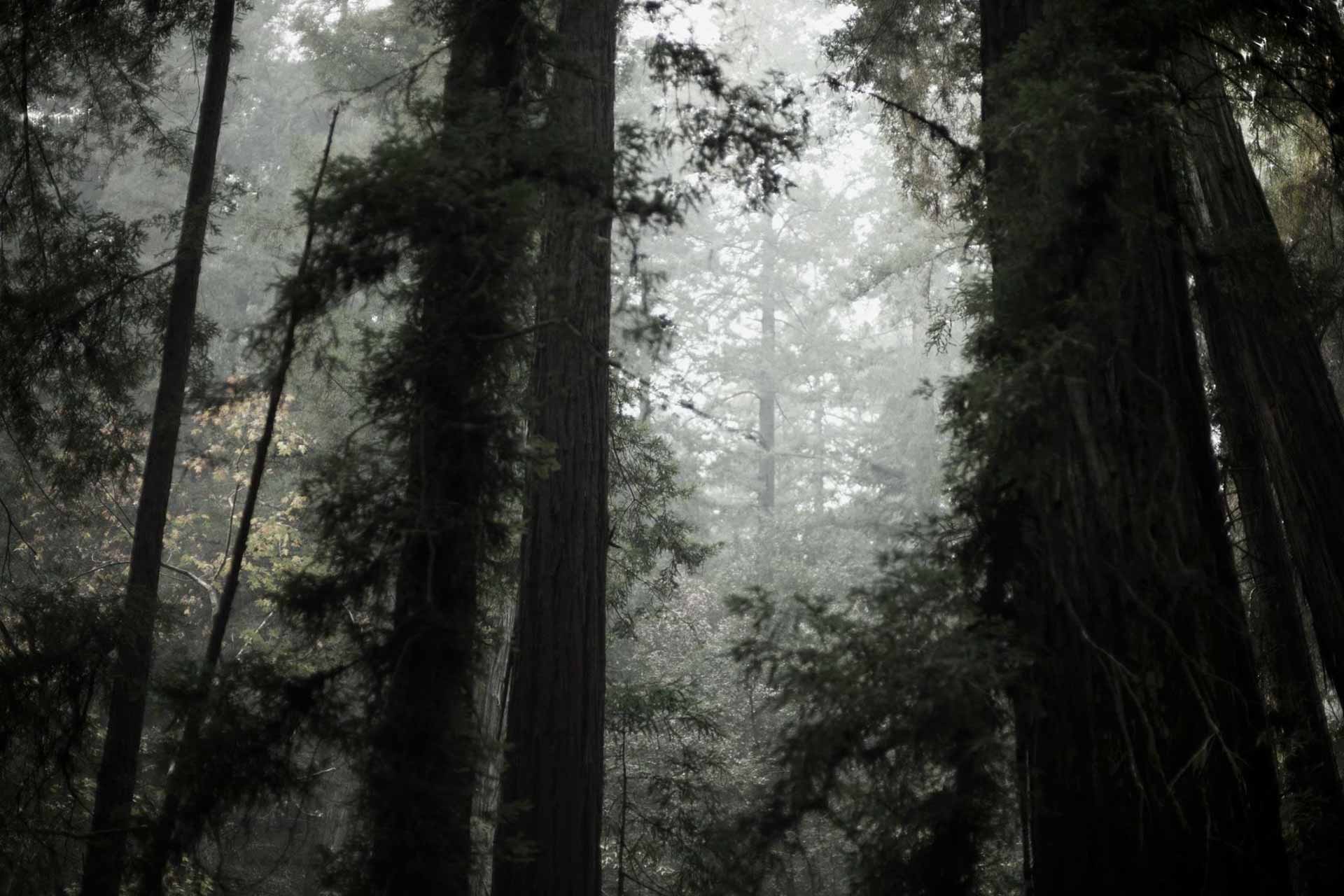
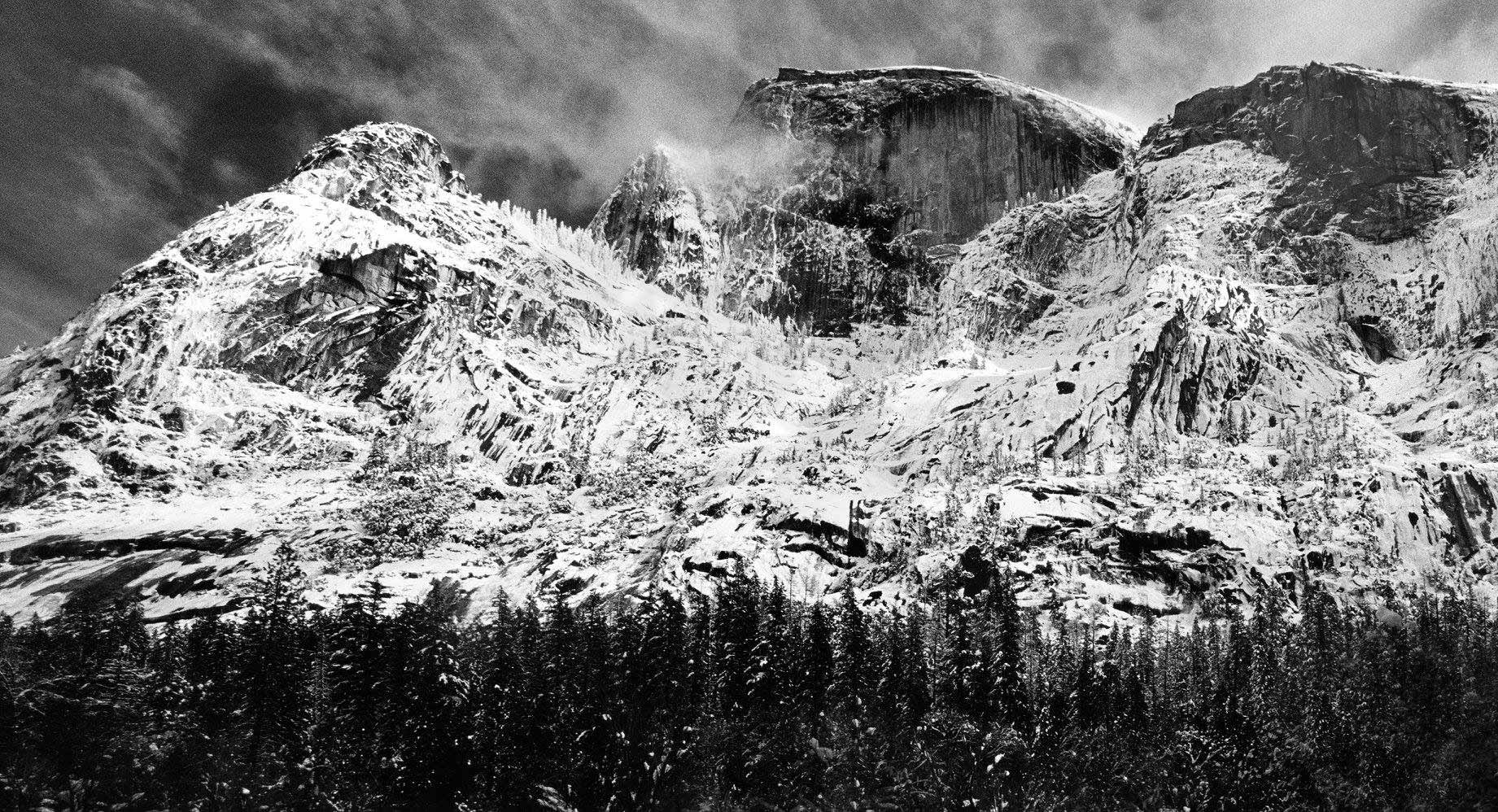
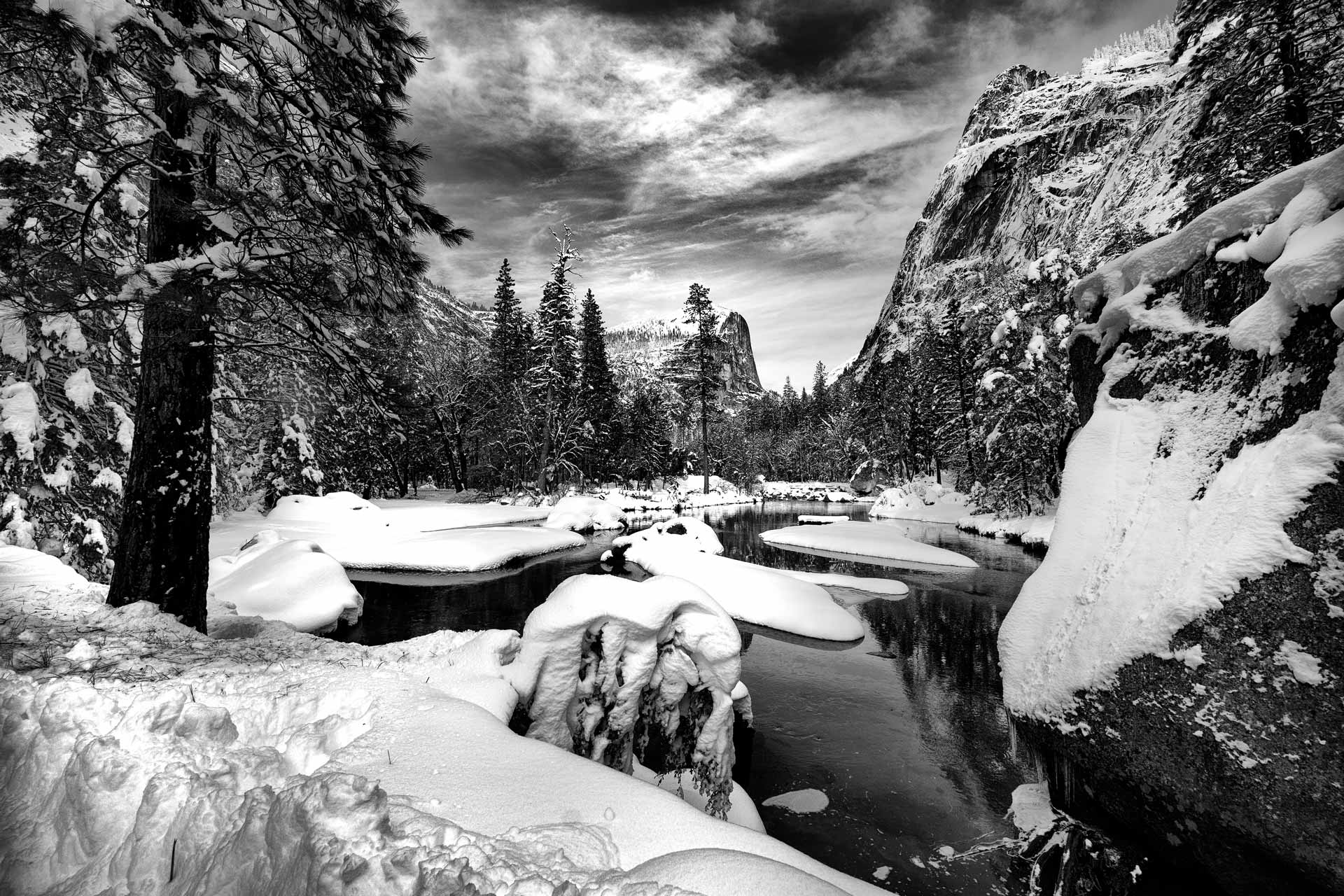
Slideshow of Adam’s images.
All images © Adam Todd Klein and are reproduced with the permission of the author.
This interview has first been published on Lightbites on 13th February, 2021.
György is a cinematographer running ExposureWorks and teaching 1-to-1 video and photography courses in the UK. To book a class or for more information browse the courses on ExposureWorks.