We tend to give less and less thought to investing in a dedicated video tripod. Light-weight and extremely popular Lumix or Sony mirrorless systems are ideally suited for handheld or gimbal work. Still, having a good fluid head video tripod is a blessing for many video genres, working for extended hours or for shooting with telephoto lenses.
A good video tripod needs to offer two functions: it must provide stability and allow smooth panning and tilting camera movements.
To invest wisely, here is a short introduction to the most essential parts of a good video tripod.
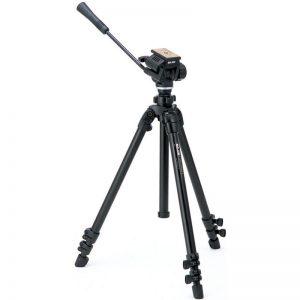
A good video tripod has three basic parts: the legs, the head and the half-ball that links the two.
1. THE LEGS carry the weight of your camera, so characteristics that we are interested in are maximum and minimum height, weight and rigidity.
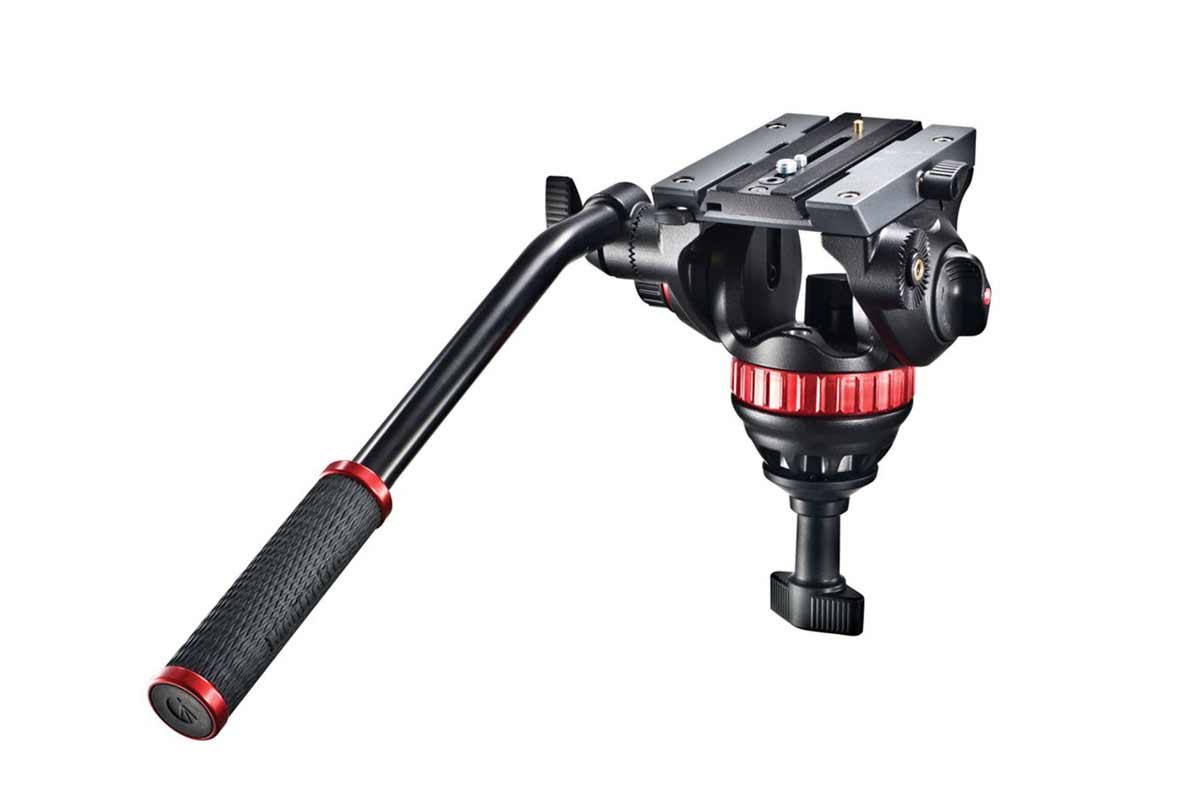
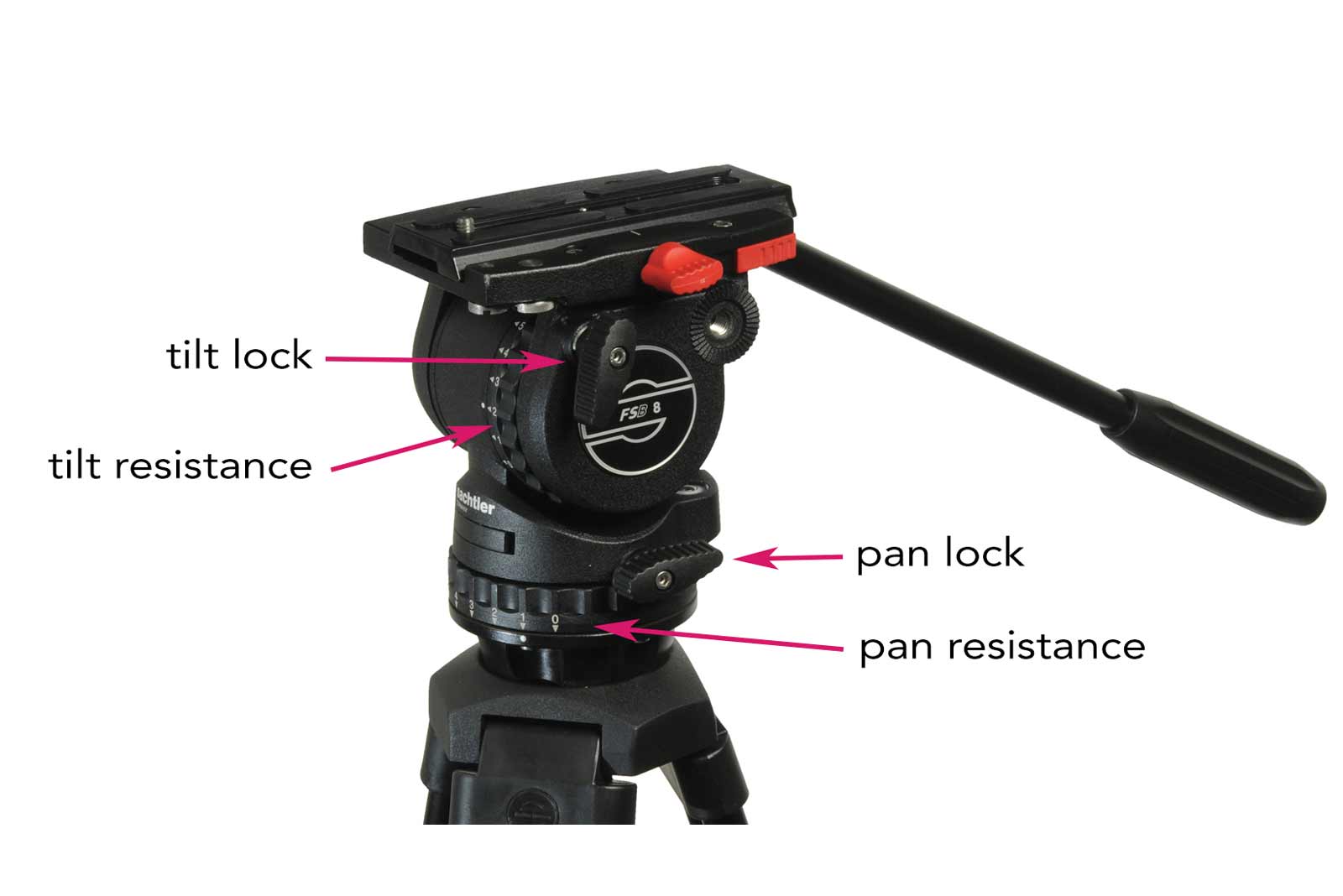
2. For filming the FLUID HEAD will give you smooth panning and tilting motion.
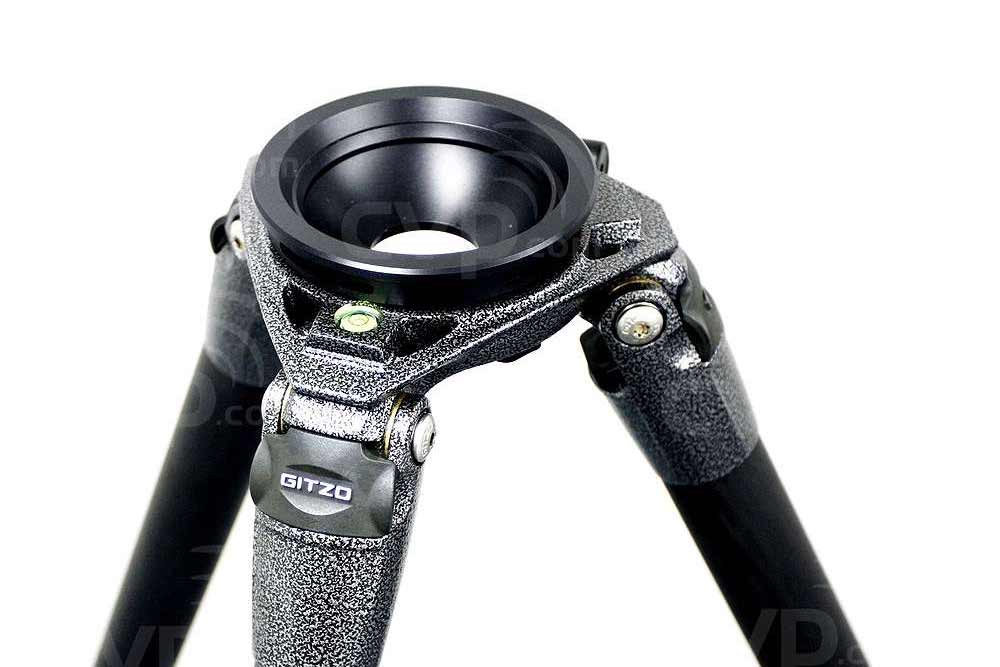
3. The fluid head of a good video tripod sits in the BOWL on a HALF-BALL which enables you to quickly level your camera on uneven terrain.
The legs
With any tripod check the minimum and the maximum height in the specifications.
Think about what you want to use the tripod for. A maximum height of 156cm or about 5′ might work great for product photography or a sitting interview. It will, however, only allow you a generally unattractive low-angle shot for a standing interview.
The Fluid head
The fluid head is supposed to give you, well, fluid camera movements.
You should be able to set the resistance for panning and tilting. There are all kinds of mechanisms but the real practical test is if you are able to pan slowly. Vibrations or jerky movement are a lot more noticeable at slow speeds.
The half-ball
I have to be direct with you: a tripod without a half-ball mechanisms can be great for still photography but is useless for video.
This mechanism is about the speed and efficiency with which you will be able to level your camera on any terrain.
Advanced Tripod features
The legs
The material the tripod legs are made of will determine weight and rigidity – and price.
Plastic is light, cheap and shakes like a wet puppy if you touch it. Only suitable for completely static shots when the camera is locked off.
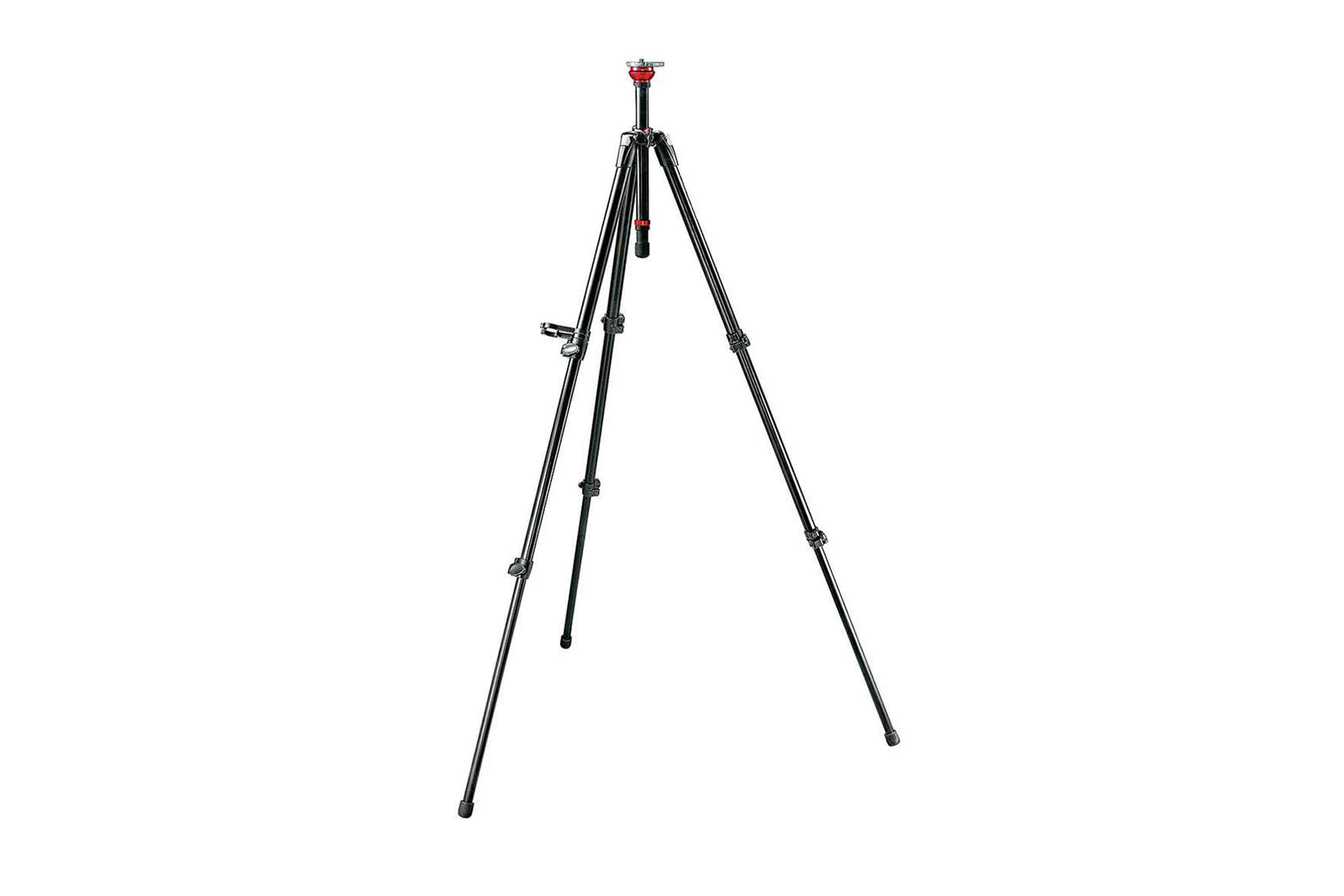
Aluminium is relatively light, relatively cheap and pretty rigid. An excellent mid-budget compromise. (Pictured to the right is a very nice Manfrotto aluminium tripod.)
Carbon fibre is super light, very rigid and really expensive.
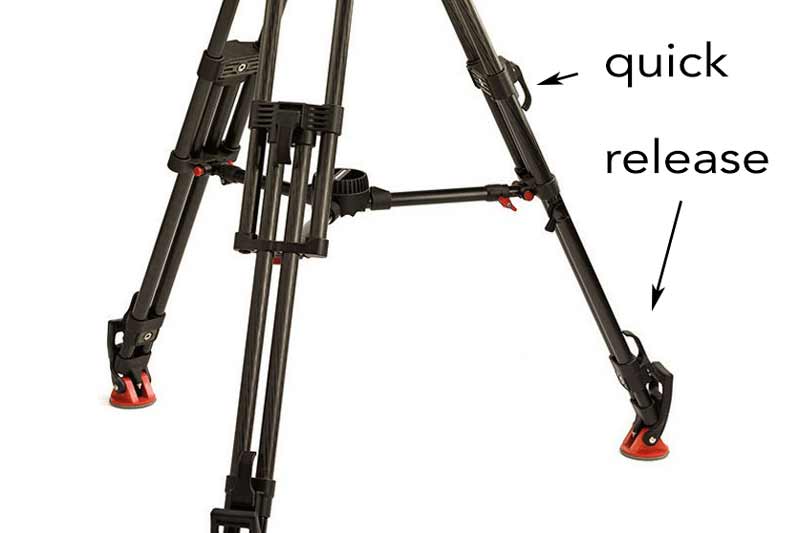
Pay attention to the leg release mechanism. Are they easy to open and close? Will you be able to manipulate them outdoors wearing gloves? Do the individual sections slide in and out smoothly? All this will become very important when you need to move around fast on location.
The Fluid head
What will determine how good the tripod head is in practise is the degree to which you can fine-tune the resistance of the head along the pan and the tilt axis.
Fluid heads use a variety of solutions (from simple friction to hydraulic damping systems) to allow regulating resistance and drag.
The pan arm is also important. The longer it is, the more fine control you’ll have over the head’s motion.
Finally, learn how to lock and release the quick release plate of the head. To avoid your camera sliding or falling off, all head have some kind of a safety pin.
Whenever you walk away from your camera lock the tilt axis of the head! Otherwise an unbalanced camera might start tilting in one direction and fall.
The half-ball
Half-balls and their respective bowls come in many sizes. In case you are buying them separately make sure that their diameters are the same. It’s measured in millimeters (e.g. 50mm, 75mm and 100mm).
To level the camera you don’t need to unscrew the head, just release the screw a bit. As you do it with one hand, hold the camera with the other! Otherwise it will fall. Once the camera is level (all ball heads have a built-in spirit level) tighten the screw really well. You don’t want it to come lose as you’re panning with the camera.
Tripods to avoid
There are tripods that simply will not cut it for video. Forget anything with thin plastic or aluminium legs that shake in the slightest wind or a “video head” that cannot be panned smoothly.
Getting a good tripod is an investment that will pay off. There are a number of expensive, professional brands (Sachtler, O’Connor, Vinten, Cartoni) and a number of somewhat less expensive but still excellent tripod manufacturers (Manfrotto, Gitzo). If you have the patience to hunt on ebay, you might be able to find a great tripod under £300.
The wretched creature to the right claims to be a video tripod. Far from it! Avoid anything without a half-ball. If it’s cheap, plastic, wobbly and doesn’t have a proper fluid head dump it. It will only frustrate you.
We use cookies to ensure that we give you the best experience on our website. If you continue to use this site we will assume that you are happy with it.